2026 Top Mobile Jaw Crusher Buyers Guide and Trends?
The mobile jaw crusher is essential in the current construction and mining industries. As companies seek efficiency, this equipment stands out for its versatility and portability. The 2026 Buyer’s Guide highlights critical trends and considerations. Buyers must focus on key features and advancements.
Understanding the Mobile Jaw Crusher's benefits is crucial. Its design allows easy transport between sites, saving time and costs. However, potential buyers face challenges. The market is saturated, making choices daunting. Selecting the right model requires in-depth knowledge of specific needs and applications.
Expert insights reveal trends like automation and energy efficiency gaining traction. As environmental concerns rise, eco-friendly options are on the rise. Buyers must navigate these trends and evaluate the cost versus benefits. Reflection on long-term goals and project requirements will aid decision-making. Choosing a mobile jaw crusher is not just an equipment decision; it shapes operational success.
Overview of Mobile Jaw Crushers in 2026
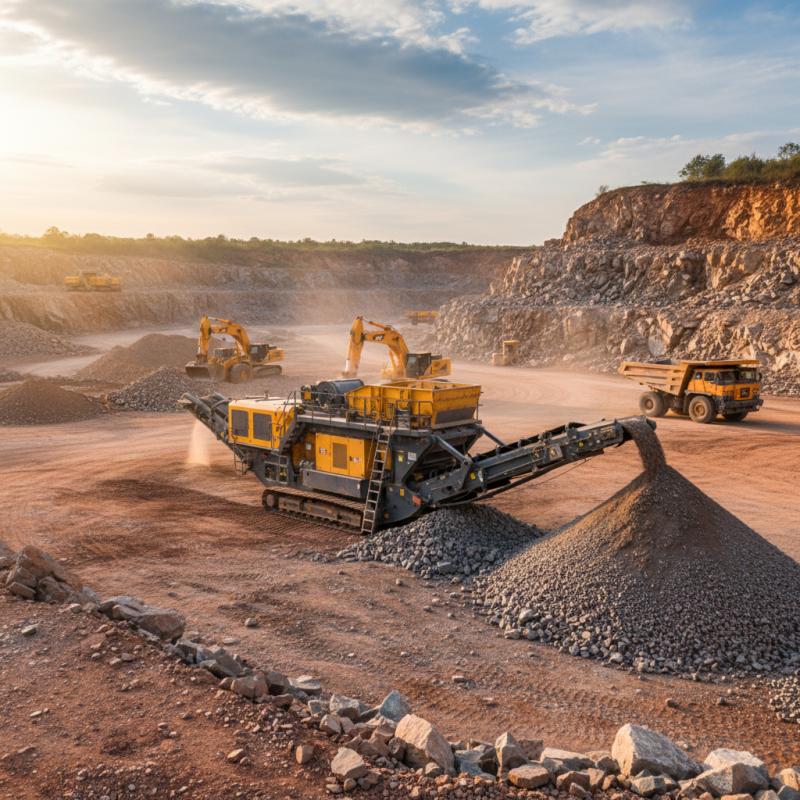
Mobile jaw crushers are vital in the construction and mining industries. In 2026, these machines will feature more advanced technology. They are designed for higher efficiency and reduced fuel consumption. Users can expect enhanced mobility, making them easier to transport. With more robust designs, durability is also a key focus for manufacturers.
**Tips:** Choose a model that suits your specific needs. Consider factors like the type of material you will process. Don't disregard maintenance costs; they can add up over time.
Upgrading to a mobile jaw crusher can elevate productivity. However, weigh the trade-offs. Investment is significant but can lead to operational efficiency. Understanding the market and trends of 2026 is crucial. Be wary of options that seem too good to be true. Research is essential to avoid potential pitfalls. Always assess your unique requirements before making a purchase.
Emerging Trends in Mobile Jaw Crusher Technology
The mobile jaw crusher market is witnessing transformative advancements. Emerging trends reflect a shift towards automation and sustainability. According to a recent industry report by Mordor Intelligence, the mobile jaw crusher segment is projected to grow at a CAGR of 5.6% from 2021 to 2026. This growth is largely driven by innovations in technology that enhance operational efficiency and reduce environmental impact.
One significant trend is the integration of IoT technologies. Manufacturers increasingly equip mobile jaw crushers with sensors that monitor performance in real-time. This allows for predictive maintenance, minimizing downtime and maximizing productivity. Additionally, advancements in materials science have led to lighter and more robust designs. This facilitates easier transportation and reduces fuel consumption, thus promoting a more sustainable approach to crushing operations.
However, challenges remain in the industry. Many users find it difficult to adapt to new technologies. Training staff on advanced systems requires time and resources. There’s also the issue of potential data security risks associated with IoT integration. As the market evolves, addressing these challenges will be crucial for leveraging the full potential of mobile jaw crushers in the coming years.
2026 Top Mobile Jaw Crusher Buyers Guide and Trends
| Dimension |
Current Trend |
Market Growth (%) |
Leading Feature |
Expected Availability |
| Compact Design |
Increased Mobility |
12% |
Enhanced Mobility Features |
Mid 2026 |
| Automation |
Remote Operations |
9% |
AI-Driven Controls |
Early 2026 |
| Energy Efficiency |
Sustainable Operations |
15% |
Lower Fuel Consumption |
Late 2026 |
| Durability |
Longer Lifespan |
10% |
High-Quality Materials |
2026 |
| Smart Technology |
Data-Driven Insights |
20% |
Real-Time Monitoring |
End of 2026 |
Top Brands and Models for Mobile Jaw Crushers in 2026
As we move into 2026, the mobile jaw crusher market is evolving rapidly. Industry reports indicate a significant growth rate projected at 7.2% CAGR over the next few years. This growth is driven by the increasing demand for portable equipment in construction and mining sectors. Contractors favor mobile jaw crushers due to their versatility and ease of transportation. These crushers provide high productivity while minimizing operational costs.
Regarding top brands and models, buyers should focus on aspects such as performance, ease of maintenance, and fuel efficiency. Many models now feature advanced technologies, including real-time monitoring and remote control functionalities. The focus on sustainability is also shaping product offerings. Eco-friendly designs are becoming vital as regulations tighten globally.
However, buyers must remain cautious. Market saturation can lead to inconsistent quality among different models. An overemphasis on features may obscure common maintenance issues that arise with heavy usage. It's essential to research various user reviews and consult industry experts to ensure the right choice. Ultimately, informed decisions in selecting mobile jaw crushers are crucial for maximizing operational efficiency and reducing downtime.
2026 Mobile Jaw Crusher Market Trends
This chart illustrates key trends in the mobile jaw crusher market for 2026, showcasing various attributes such as capacity, weight, price, and durability. These metrics provide insight into what buyers can expect in terms of performance and investment in this equipment.
Factors Influencing Mobile Jaw Crusher Purchase Decisions
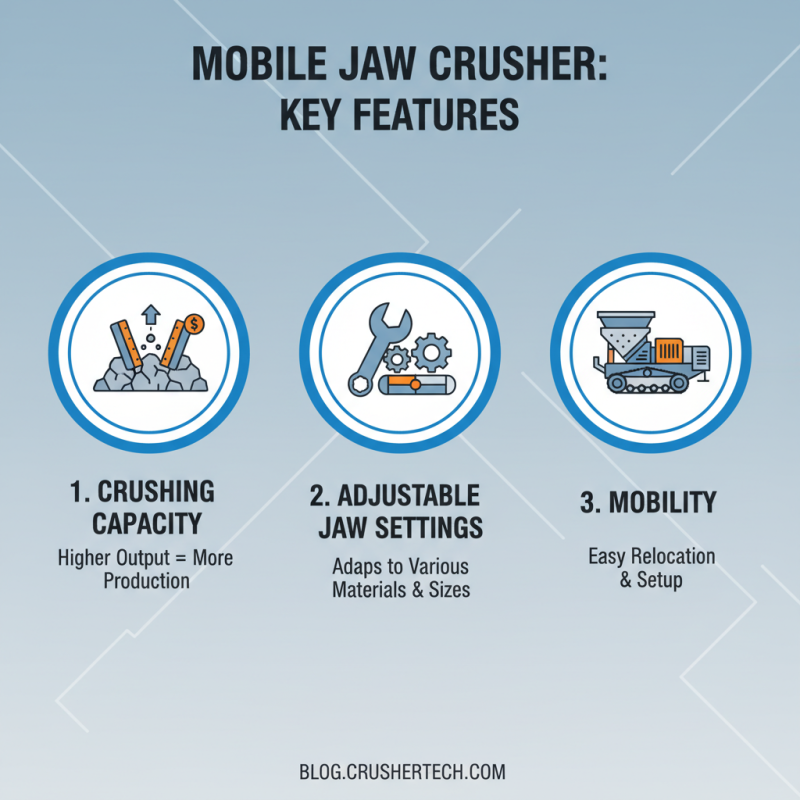
When considering a mobile jaw crusher, several factors impact the decision-making process. Buyers must evaluate the machine's performance, including its crushing capacity and material handling capabilities. Cost-effectiveness is vital, as companies want optimal return on investment. Additionally, fuel efficiency plays a significant role, particularly in reducing operating expenses over time.
Manufacturers should not overlook the importance of after-sales support. Strong customer service can make a significant difference, especially for new buyers. Operational training and easy access to spare parts are essential. Furthermore, the role of technology cannot be ignored. Advanced features such as automation and real-time monitoring enhance productivity, yet some buyers may feel overwhelmed by these options.
Understanding the varying needs of different industries is crucial. Construction projects may require mobile jaw crushers with higher mobility, while mining operations may prioritize durability. Each buyer must reflect on their specific requirements and evaluate the trade-offs involved. This process can reveal gaps in knowledge, highlighting the need for consultation with industry experts.