- Home
- Products
- Projects
- Solutions
- News
- Services
- About Us
- Blog
- Contact Us
Inquiry
Form loading...
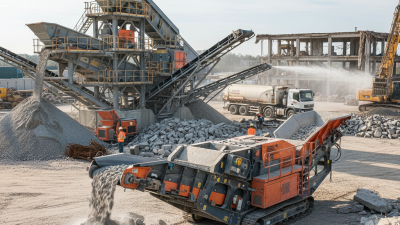
A Concrete Crusher can turn demolition waste into reusable aggregate, but the right machine depends on the job. This guide compares seven options available or expected to be available in 2026, from compact units for tight sites to higher-capacity machines for steady production. The names on a sales list matter less than the work each crusher can handle. Think about feed opening, output size, throughput, mobility, and power needs. A narrow access road or low overhead clearance can rule out a machine before it reaches the site. Small details matter.
The comparisons also consider operating costs, maintenance access, wear parts, and dealer support. Ask sellers for current specifications, service intervals, warranty terms, and a written quote; inventory and prices can change by region. Check whether the crusher suits your material, including concrete with reinforcing steel, and confirm any site-specific requirements with qualified professionals. A brochure may show an impressive hourly capacity, yet actual output varies with feed size, material, and operator setup. That is easy to overlook. A lower purchase price may also mean higher transport or downtime costs. Use these seven picks as a practical starting point, not a final verdict. Compare the numbers against your project, and be willing to reconsider the machine that looked perfect at first.
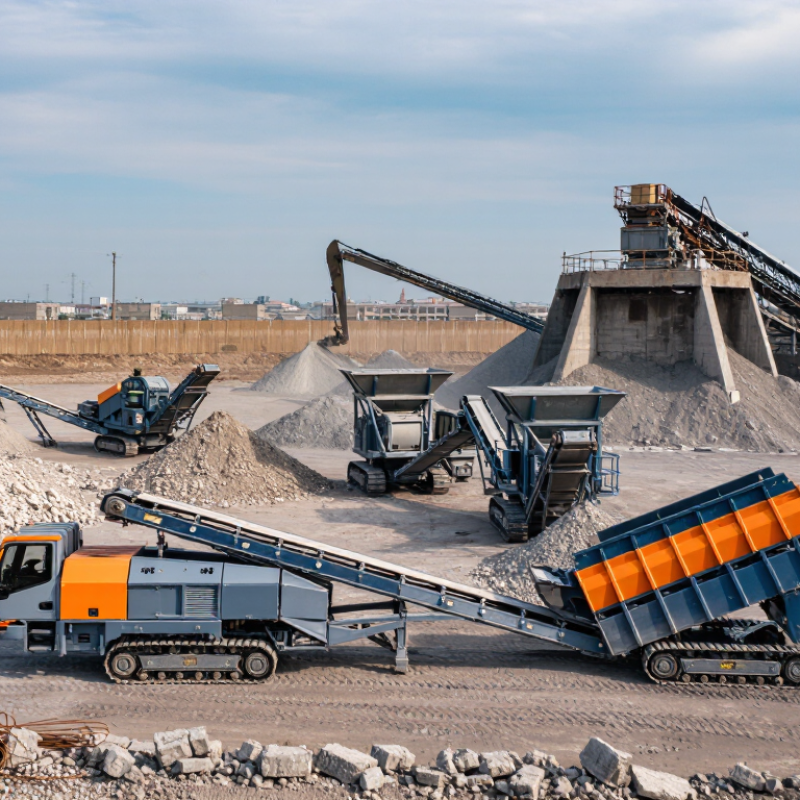
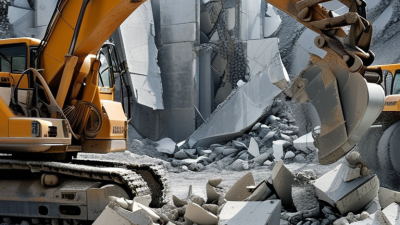
Buying a concrete crusher in 2026 starts with the material, not the brochure. The U.S. Environmental Protection Agency’s 2018 construction and demolition materials report estimated 600 million tons of debris generated in the United States, with 455 million tons directed to further use. That scale makes recycled aggregate valuable, but it does not mean every crusher suits every site. Check whether incoming concrete contains long rebar, wire, or oversized chunks. A jaw crusher may handle primary breaking; an impact crusher can produce a more cubical product, but wear costs may rise with abrasive feed. Ask for a test using your own material.
Capacity figures need context. The U.S. Geological Survey’s Mineral Commodity Summaries 2025 estimated U.S. crushed-stone output at about 1.5 billion metric tons in 2024, but quarry figures do not predict your recycled-concrete throughput. Compare rated capacity with the feed size, target output, moisture, and hours worked. Check the feed. Inspect screens, belt access, dust controls, noise levels, and the time needed to clear blockages. Confirm whether the site has suitable power, room for stockpiles, and reliable parts support. A tidy spec sheet can still mislead; actual output often falls when steel, uneven feed, or frequent moves interrupt production. Ask suppliers to document assumptions, then budget for wear parts and downtime—not just the purchase price.
| Crusher Type | Typical Feed Size | Indicative Capacity | Typical Product Size | Reinforced Concrete Considerations | Best Suited For | Key Checks Before Buying |
|---|---|---|---|---|---|---|
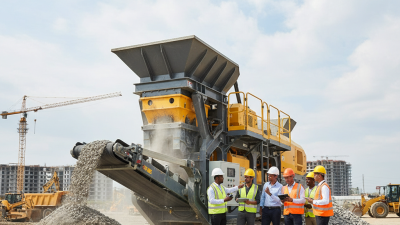
| Tracked jaw crusher | About 500–1,000 mm, depending on the model | About 50–300 tonnes per hour | Typically 20–150 mm; a screen can separate different sizes | Can process reinforced concrete, but long rebar may need removal or additional handling. Check magnet and rebar-clearance options. | On-site demolition and recycling where the machine must move between work areas. | Confirm feed opening, transport dimensions, fuel use, access for maintenance, and whether a screening unit is included. |
| Tracked impact crusher | About 500–1,200 mm, depending on the model | About 80–400 tonnes per hour | Often produces material from roughly 0–50 mm; final grading depends on settings and screening. | Impact crushing can be suitable for concrete recycling, but rebar handling is essential. Ask about magnetic separation and safe clearing procedures. | Projects seeking a more cubical recycled aggregate product from concrete feed. | Check rotor and blow-bar wear costs, feed limitations, rebar management, product gradation, and dust-control equipment. |
| Compact tracked jaw crusher | About 100–250 mm | About 5–30 tonnes per hour | Typically 10–50 mm, with the exact range set by the machine and material. | Small units may have limited clearance for steel. Remove oversized or tangled reinforcement and verify the manufacturer’s stated capability. | Small contractors, restricted-access sites, and lower-volume concrete recycling. | Compare feed opening, operating weight, trailer requirements, service access, and actual output on concrete similar to yours. |
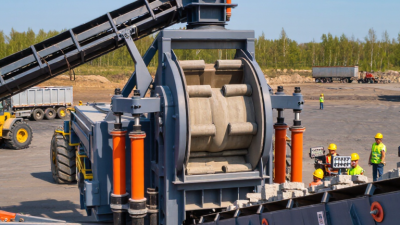
| Portable jaw crusher plant | About 500–900 mm | About 50–250 tonnes per hour | Typically 20–150 mm before any secondary crushing or screening. | May accept reinforced concrete when configured for it. A separator magnet and a practical rebar-removal plan are important. | Contractors needing a relocatable setup for recurring projects or temporary recycling yards. | Review setup time, transport permits, power source, screen configuration, and the total footprint of the plant. |
| Stationary jaw crusher | About 600–1,500 mm | About 100–800 tonnes per hour | Usually a coarse primary product, often around 20–150 mm. | Suitable as a primary stage for many concrete recycling lines, but steel must be managed through suitable separation and downstream equipment. | Fixed recycling facilities with steady feed and higher daily production requirements. | Assess foundation and installation needs, electrical supply, feed consistency, wear-part availability, and downstream capacity. |
| Stationary impact crusher | About 500–1,200 mm, depending on the design | About 80–500 tonnes per hour | Can produce smaller, more uniform aggregate sizes; screening and crusher settings determine the final product. | Reinforcement can complicate operation. Confirm the complete line’s magnet, rebar-removal, and tramp-material protection arrangements. | Recycling plants that need controlled sizing and a shaped aggregate product. | Compare expected wear-part consumption, target gradation, recirculating load, dust control, and the cost of the full processing line. |
| Secondary cone crusher | Pre-crushed feed, often about 50–300 mm | About 50–600 tonnes per hour | Commonly used for smaller, more consistent sizes; the achievable range depends on the chamber and setting. | Generally best considered for clean, pre-crushed material. Do not feed reinforcing steel unless the specific system is designed and approved to handle it. | Secondary reduction of screened, relatively clean concrete aggregate in a multi-stage plant. | Verify feed gradation, moisture and fines limits, required upstream equipment, chamber selection, and the final product specification. |
| Buying note: Capacity, feed size, and product size are indicative ranges for equipment classes, not guaranteed specifications. Actual performance varies with concrete strength, reinforcement, moisture, feed consistency, crusher settings, screening, and site conditions. Request a written performance estimate using representative sample material before purchasing. | ||||||