Best Gravel Crusher Options for Global Buyers?
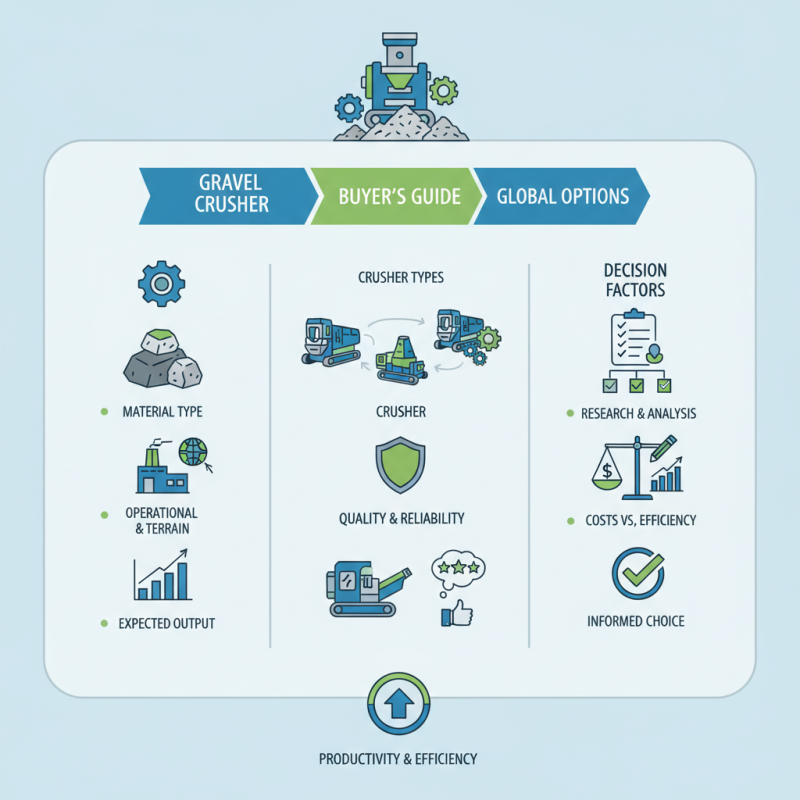
Choosing the right gravel crusher is essential for many buyers worldwide. This decision can impact productivity and efficiency significantly. There are various options available, but not all may suit your specific needs. Many factors influence the choice, such as the type of material being crushed and operational scale.
Gravel crushers come in different forms, each with unique features. Some are designed for specific applications, while others are versatile. The quality of materials used in construction also varies. This can affect durability and performance over time. Buyers should consider brand reputation and customer reviews to gauge reliability.
Investing in a gravel crusher requires research and analysis. It involves understanding the terrain, handling requirements, and expected output. Mistakes in selection can lead to inefficiency and increased costs. Thus, taking time to weigh all options is vital for making an informed decision.
Overview of Gravel Crushers: Types and Technologies
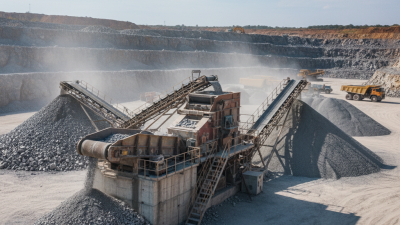
Gravel crushers are vital in the construction and mining industries. They help transform large stones into smaller, usable gravel. Understanding the types and technologies available can guide buyers in making informed choices.
Different types of gravel crushers exist, such as jaw crushers, cone crushers, and impact crushers. Each type has its unique function and suitability for various materials. For instance, jaw crushers excel in primary crushing. They can handle hard materials, making them ideal for initial processing. Cone crushers are known for their efficiency in secondary crushing. They produce a finer product and can handle a range of materials. Impact crushers are preferred for their ability to create cubical-shaped gravel.
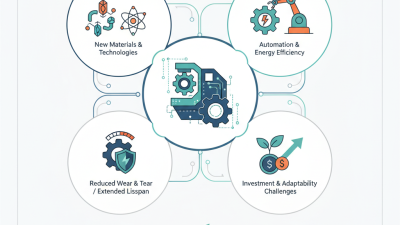
Technology plays a crucial role in gravel crushing. Modern crushers often incorporate automation and advanced control systems. These features improve precision and enhance production efficiency. However, not all advanced features translate into better performance. Some buyers might find complexities in operating equipment with high-tech features. It's crucial to weigh the benefits of advanced technology against ease of use. Buyers should consider their specific needs and operational capabilities before investing.
Best Gravel Crusher Options: Performance Comparison
Key Factors to Consider When Selecting a Gravel Crusher
Selecting a gravel crusher requires careful consideration of several key factors.
One primary aspect is the machine's capacity.
It's essential to evaluate how much material you will process daily.
Too small of a crusher may slow down your operations.
On the other hand, a model that’s too large could lead to increased costs and unnecessary fuel consumption.
Another important factor is the type of materials you will be crushing.
Different crushers perform better with specific types of gravel and stone.
For instance, a machine designed for softer materials may struggle with harder rocks.
This could result in additional wear and maintenance issues, increasing your operational costs over time.
Maintenance is also a crucial factor. Some models require frequent servicing, leading to downtime.
A more efficient design may have fewer moving parts, reducing the chance of breakdowns.
However, these models can be more expensive upfront. It’s vital to weigh the long-term benefits against the initial investment.
Ultimately, understanding your needs and the gravel's characteristics will guide you to the right decision.
Top Brands and Models of Gravel Crushers for Global Markets
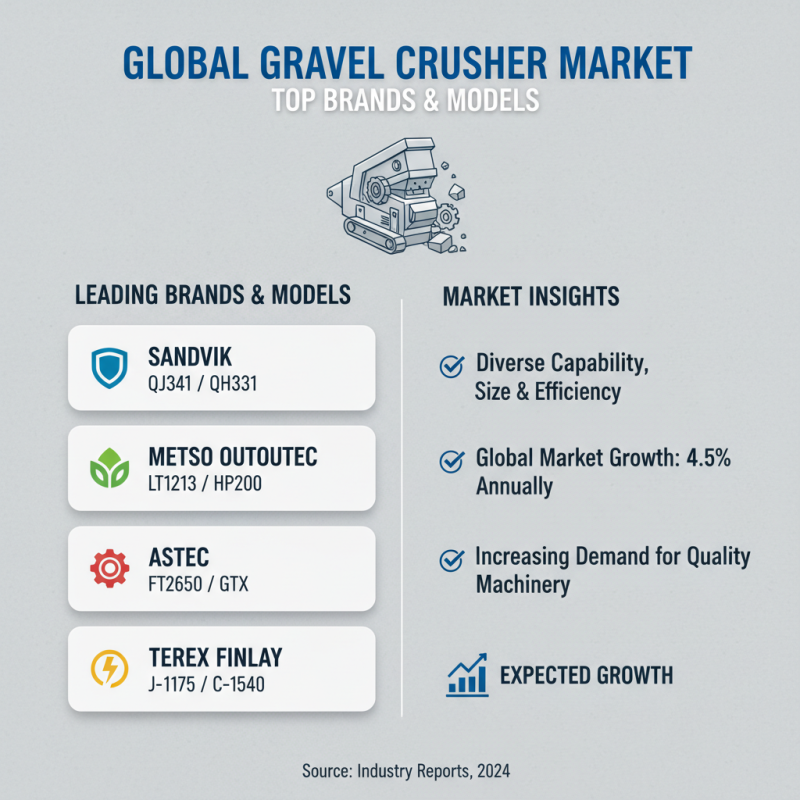
When considering gravel crushers for global markets, several top brands and models stand out. These machines vary widely in capability, size, and efficiency. According to industry reports, the global gravel crusher market is expected to grow by 4.5% annually, highlighting the demand for quality machinery.
Some of the leading models are known for their adaptability and output efficiency. Mobile crushers, for instance, can be crucial for operations requiring flexibility. Data shows that these machines can significantly reduce operational costs by minimizing transportation needs. However, not all models provide the same level of performance. Users often report issues such as wear and maintenance challenges, which require thorough analysis.
Also important is the variety of crushing techniques employed. Jaw crushers and impact crushers have unique benefits and downsides. Jaw models are robust and effective for hard materials. Yet, they might struggle with softer aggregates. Impact crushers, on the other hand, excel in shaping materials but may suffer from higher wear rates. Buyers must evaluate their specific application needs carefully to optimize investment, ensuring a balance between durability and cost efficiency.
Cost Analysis: Budgeting for Gravel Crusher Purchases
When budgeting for gravel crusher purchases, understanding total cost is essential. Industry reports indicate that gravel crushers can range from $20,000 to $500,000. Costs vary based on the type, size, and features of the equipment. For instance, mobile gravel crushers can be pricier due to their versatility, often reaching higher end of the spectrum.
Maintenance and operational costs should also factor into the budget. According to the National Stone, Sand & Gravel Association, operational costs typically account for 30-40% of total expenditure. This includes fuel, parts replacements, and labor. Buyers must also consider the initial investment versus potential revenue. Many crushers yield significant income when used efficiently, but incorrect choices can lead to financial strain.
Buyers often overlook additionally expenses like transportation and installation. These can add 10-15% to the total cost. Furthermore, guidelines on environmental compliance can influence both the choice of the gravel crusher and its operational costs. It’s critical to perform a thorough cost-benefit analysis before making a purchase decision. Engaging with industry experts can help clarify the total investment needed and avoid common pitfalls.
Maintenance and Longevity: Ensuring the Durability of Gravel Crushers
Maintaining gravel crushers is crucial for longevity. Regular check-ups ensure they operate efficiently. A well-maintained crusher maximizes productivity. Neglecting this can lead to costly repairs. Inspect components like screens and belts often. Small issues can escalate if overlooked.
Using the right lubricants enhances performance. They reduce friction and overheating. Operators should follow recommended guidelines carefully. This helps prevent premature wear and tear. Additionally, keeping the work area clean is essential. Debris can hinder performance and lead to breakdowns.
Operators must recognize the signs of fatigue in their machines. Unusual vibrations or noises can indicate deeper problems. Address these symptoms promptly. Ongoing training for personnel also ensures they know best practices. Knowledgeable operators make better decisions during maintenance. By implementing these strategies, the durability of gravel crushers can be significantly improved.