2026 Best Stone Crusher Machine for Efficient Construction Solutions?
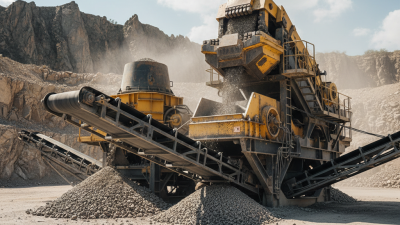
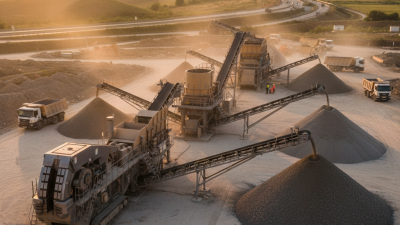
The construction industry is constantly evolving, and the demand for efficient solutions is at an all-time high. One crucial element of this evolution is the Stone Crusher Machine. This equipment plays a vital role in shaping raw materials for various construction projects. It allows for the efficient processing of stones and aggregates, which are essential for building robust structures.
When selecting the best Stone Crusher Machine for 2026, it's important to consider advanced technology and innovations. Modern machines offer improved performance, reliability, and cost-effectiveness. However, not all machines are created equal. A thorough evaluation is necessary to determine which options are most suitable for specific project needs.
Many factors influence the choice of a Stone Crusher Machine, including capacity, size, and maintenance requirements. It's easy to get lost in the technical specifications. Sometimes, real-world application reveals flaws and challenges that manufacturers may overlook. Making informed decisions leads to better outcomes in construction projects. Engaging with industry experts can provide valuable insights into selecting the right machine for optimal results.
Overview of Stone Crusher Machines and Their Importance in Construction
Stone crusher machines play a vital role in the construction industry. They break down large rocks into smaller aggregates. These aggregates are essential for concrete production, road building, and many other structures. According to a report from ResearchAndMarkets, the global stone crushing equipment market is projected to reach $8.2 billion by 2025. This growth indicates a rising demand for efficient construction solutions worldwide.
Construction projects rely heavily on the quality of materials. High-quality aggregates enhance the durability of structures. However, not all stone crushers deliver the same efficiency. Choosing the right machine can significantly impact a project's timeline and budget. Machines that consume less energy while maximizing output are ideal.
**Tip:** Assess the energy efficiency of stone crushers before your purchase.
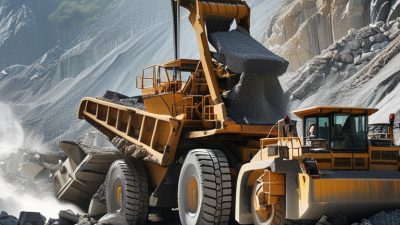
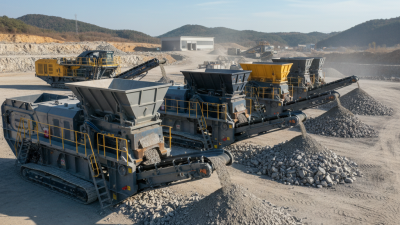
As the industry evolves, new advancements emerge. Mobile crushers offer flexibility for construction sites. They reduce the need for transporting materials. Nonetheless, these machines require regular maintenance to ensure optimal performance. Proper upkeep can prevent unexpected breakdowns.
**Tip:** Schedule frequent checks to maintain your stone crusher in top condition.
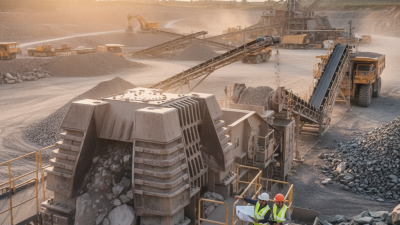
Selecting the right stone crusher involves understanding project needs. Take into account the material type and size of aggregates required. Awareness of these factors can lead to better decision-making and overall project success.
2026 Best Stone Crusher Machine for Efficient Construction Solutions
| Machine Type |
Crushing Capacity (ton/h) |
Engine Power (kW) |
Weight (kg) |
Application |
| Jaw Crusher |
50 |
75 |
2000 |
Primary Crushing |
| Cone Crusher |
70 |
110 |
3000 |
Secondary Crushing |
| Impact Crusher |
80 |
100 |
2500 |
Construction Waste |
| Roller Crusher |
40 |
50 |
1800 |
Fine Crushing |
Types of Stone Crusher Machines and Their Applications in the Industry
The stone crushing industry is vital for construction. Various types of machines cater to different needs.
Jaw crushers, for instance, are known for their capacity to handle large materials. According to a recent industry report,
jaw crushers can achieve an impressive reduction ratio of 6:1, making them efficient for primary crushing.
Cone crushers, on the other hand, are effective for secondary applications. They excel at producing finer aggregates.
Research indicates that cone crushers can reach an efficiency rate of up to 70% in certain conditions.
However, selecting the right type must consider factors like material characteristics and required output size.
Operators must remain vigilant as operational costs can escalate if not managed properly.
Impact crushers are often used for shaping and recycling materials. These machines can be quite versatile, processing various types of rocks.
Yet, industry data shows that their maintenance can be demanding. Frequent wear and tear on parts require regular inspections.
Balancing efficiency with upkeep poses challenges, making it essential for companies to invest in skilled maintenance teams.
Key Features to Consider When Selecting a Stone Crusher Machine
When selecting a stone crusher machine, several key features significantly influence performance and efficiency. Power type is one of the first considerations. Diesel engines provide mobility, while electric versions offer better efficiency at fixed sites. The choice depends on the project’s requirements and the working environment.
Another crucial feature is the crushing capacity. Understanding the material type is vital for determining the size and capabilities needed. Various materials, such as granite or limestone, may require different settings for optimal output. Not all machines accommodate diverse material types, leading to potential inefficiencies and costly downtime.
Maintenance requirements also matter. Some machines need frequent part replacements or lubrication, which can interrupt operations. It’s essential to assess the maintenance costs versus projected uptime. Lastly, consider the machine's weight and dimensions. Transporting bulky equipment can increase costs and complicate logistics. Balancing these features with project goals is key to achieving efficient construction solutions.
Top Manufacturers of Stone Crusher Machines for 2026
In 2026, the stone crusher machine market is expected to witness substantial growth. According to a report from the International Construction Equipment Association, the market may expand at a compound annual growth rate (CAGR) of 7.5%. This growth is driven by increasing infrastructure projects globally, especially in developing nations. The demand for high-quality aggregates is ever-increasing. Stone crushing machines are pivotal in ensuring that construction materials meet the stringent standards required in modern construction.
Several top manufacturers are leading this expansion, focusing on technological advancements. Many are investing in automated systems to improve efficiency and reduce operational costs. For instance, recent studies highlight that machines with integrated smart technology can cut energy consumption by up to 30%. However, the reliance on technology also raises questions about the skills gap in the workforce. Not every operator has the capability to maintain such advanced equipment.
The challenge lies in balancing efficiency with sustainability. Environmental regulations are becoming stricter. Proper waste management and emissions control are crucial for manufacturers. Additionally, not all companies have adapted quickly enough to these changes. As the market becomes more competitive, the importance of innovation and adherence to eco-friendly practices will only grow. The landscape of stone crusher machines will continue to evolve, reflecting broader trends in construction and technology.
Future Trends and Innovations in Stone Crusher Technology and Efficiency
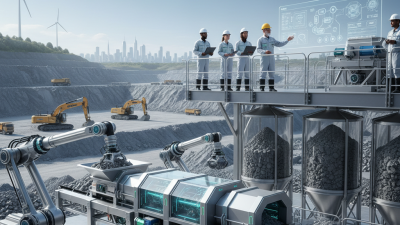
The future of stone crusher technology is poised for significant innovations. Reports suggest that efficiency is a growing focus in the industry. Increased demand for aggregate materials from global construction, projected to reach $500 billion by 2026, necessitates more advanced machinery. Companies are investing in smart technologies to enhance performance and lower operational costs.
Recent studies indicate that energy-efficient machines could reduce operational costs by up to 30%. Integrating artificial intelligence and machine learning helps in predictive maintenance. This ensures maximum uptime and minimal delays. Many crushers now offer modular designs to facilitate quick adaptability on-site. Size reduction and improved throughput are key goals.
However, older models often lag in efficiency. Many companies still rely on outdated equipment that does not meet current environmental standards. This may require reflection on investment strategies. Adopting new technologies is essential, yet financial constraints often hinder progress. The industry must balance innovation with practicality to thrive in a competitive market.