Why Choose a Mobile Jaw Crusher for Your Crushing Needs?
In the rapidly evolving crushing and screening industry, the choice of equipment significantly impacts operational efficiency. A Mobile Jaw Crusher is becoming increasingly popular for its versatility and effectiveness. According to a report by Mordor Intelligence, the mobile crushing equipment market is expected to grow at a CAGR of over 5% from 2021 to 2026. This growth indicates a rising demand for efficient and adaptable solutions in material processing.
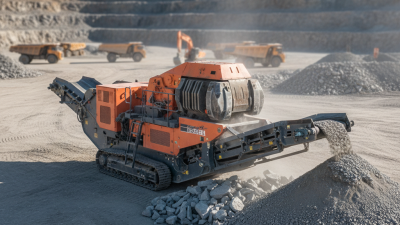
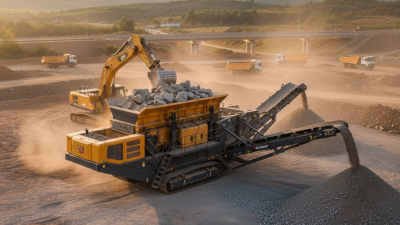
Mobile Jaw Crushers offer several benefits in various applications. They are particularly effective for primary crushing tasks. Their mobility allows for quick relocation between job sites, reducing downtime. Additionally, these crushers can handle a wide range of materials, from concrete to rocks, making them ideal for diverse projects. However, selecting the right model requires an understanding of specific needs and operating conditions.
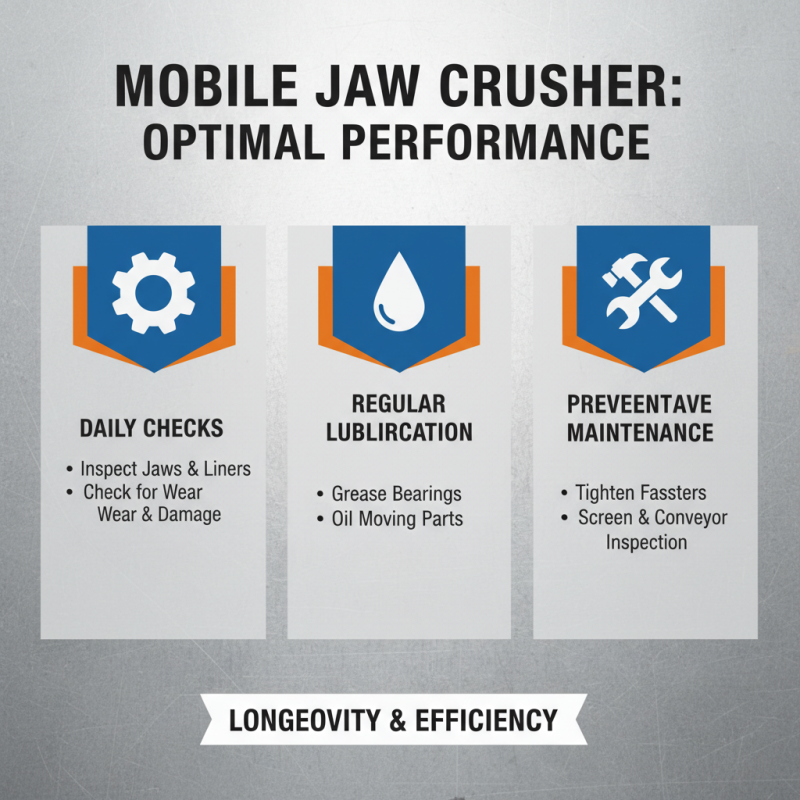
Despite their advantages, there are potential drawbacks. Operators must consider maintenance requirements and operational costs. Regular upkeep is crucial for prolonging the lifespan of the equipment. It's essential to balance performance with these factors when investing in Mobile Jaw Crushers. This reflective approach can lead to more informed decisions and overall project success.
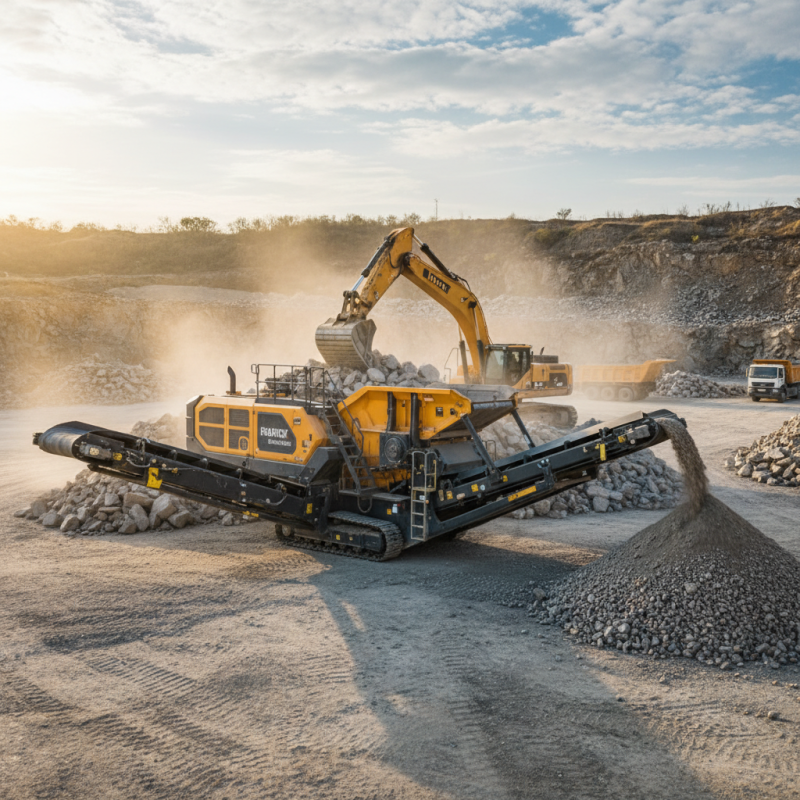
Benefits of Using a Mobile Jaw Crusher in Various Industries
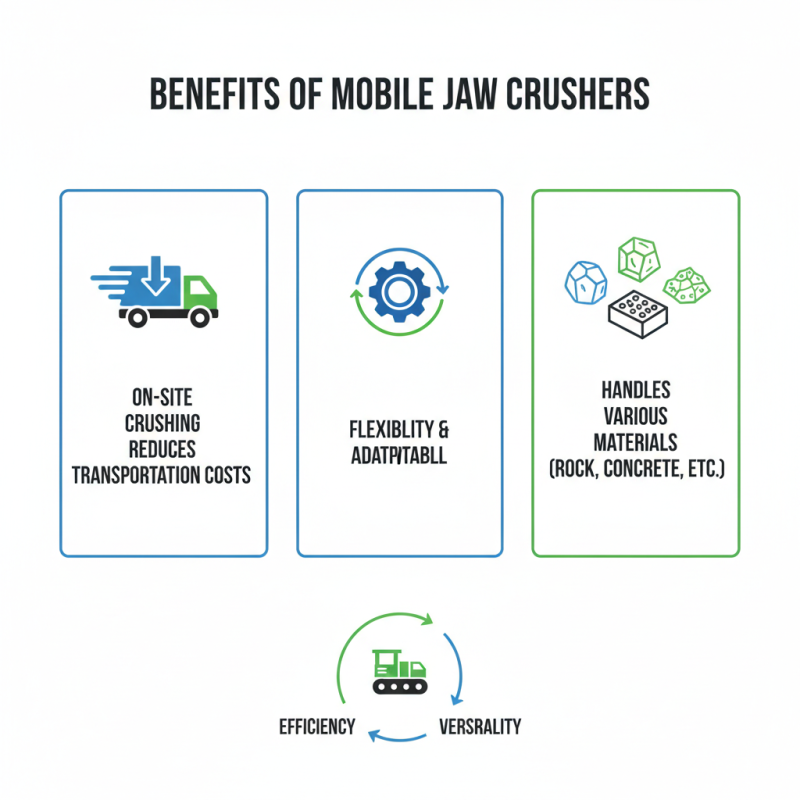
Mobile jaw crushers have gained popularity across various industries due to their efficiency and versatility. These machines are designed for on-site crushing, which reduces transportation costs. When tasks require flexibility, mobile jaw crushers excel. They easily adapt to different environments and can handle various materials.
In construction, mobile jaw crushers streamline operations. They facilitate quick setup and minimize delays. This is crucial when timelines are tight. Operators appreciate the ease of moving the equipment from one job site to another. But, challenges may arise, such as maintenance needs and the potential for wear and tear. Regular checks are necessary to ensure optimal performance.
Recycling is another sector that benefits from mobile jaw crushers. They allow for processing waste materials directly at the source. This capability aids in reducing landfill waste. However, the effectiveness hinges on the operator’s expertise. Proper training ensures efficiency and safety. It’s important to recognize that even advanced technology needs skilled hands to function best.
Key Features that Make Mobile Jaw Crushers Stand Out
Mobile jaw crushers have gained popularity due to their unique features that meet various crushing needs. One major advantage lies in their portability. Unlike stationary crushers, mobile jaw crushers can move directly to the work site. This mobility reduces transportation costs and saves valuable time. Companies can also adapt to different environments quickly.
Another standout feature is their versatility. Mobile jaw crushers can handle a range of materials, from concrete to granite. This capability allows construction companies to tackle diverse projects effectively. Moreover, they often come equipped with advanced technology, such as integrated screening systems. This combination enhances efficiency, but it's crucial to maintain these systems for optimal performance.
While these benefits are clear, challenges exist. User training is often needed to operate these machines safely and efficiently. Additionally, maintenance can be tricky. Regular checks are essential to avoid downtime, but some users may neglect this. Addressing these issues can improve overall crushing performance.
Why Choose a Mobile Jaw Crusher for Your Crushing Needs?
| Feature |
Description |
Benefit |
| Portability |
Easy to move between sites |
Reduced transportation costs |
| Flexibility |
Adaptable to various workloads |
High operational efficiency |
| Powerful Crushing Capability |
Equipped with a robust jaw crusher |
Handles tough materials effectively |
| User-Friendly Operation |
Intuitive controls and monitoring |
Reduces operator training time |
| Low Maintenance |
Designed for easy service access |
Minimized downtime and costs |
| Environmental Benefits |
Reduced noise and emissions |
Meets modern environmental standards |
Comparative Analysis: Mobile Jaw Crusher vs. Traditional Crushers
When considering crushing solutions, mobile jaw crushers emerge as a viable option. A comparative analysis reveals that these machines offer distinct advantages over traditional crushers. According to a recent industry report, mobile jaw crushers can enhance productivity by up to 30%. This is largely due to their mobility and ability to quickly set up on site. Traditional crushers, while effective, often require more time and labor to deploy.
Moreover, mobile jaw crushers reduce transportation costs. By operating directly at the site, there’s no need to move materials to a fixed plant. This not only saves time but also minimizes the environmental impact associated with transporting materials. In fact, a study published in the Journal of Sustainable Mining indicates that reducing transportation can cut carbon emissions by up to 15%.
Tip: Consider your project scale when choosing equipment. For smaller or remote jobs, a mobile unit can be more efficient.
Another significant factor is maintenance. Mobile jaw crushers often have fewer moving parts compared to traditional stationary setups. This feature can lead to reduced downtime and lower maintenance costs. However, users should be mindful that they may not be ideal for all applications. Certain job sites with high processing demands may still benefit from traditional models.
Tip: Always assess the specific crushing needs before making a decision. Factors like material type and volume play a crucial role.
Mobile Jaw Crusher vs. Traditional Crushers: Performance Comparison
Factors to Consider When Choosing a Mobile Jaw Crusher
When choosing a mobile jaw crusher, several factors come into play. The design and size of the crusher are crucial. A well-designed unit ensures efficient material flow and minimizes blockage. In addition, the crushing capacity should match your project's needs. Assess the materials you will be processing. Harder materials require robust machines.
Weight and mobility also matter. A portable unit can access remote job sites easily. However, a heavier model may provide better stability during operation. Think about the power source as well. Diesel engines offer independence from electric sources. Yet, they also require regular maintenance, which can be a hassle.
Customer support and availability of spare parts are essential considerations. A manufacturer with a strong reputation can be more reliable. Consider the noise and dust levels as well. Some models operate quietly, while others generate significant dust. This can impact your work environment and local regulations. Strive to balance efficiency with these practical aspects.