How to Choose the Right Single Toggle Jaw Crusher for Your Project?
Choosing the right Single Toggle Jaw Crusher is crucial for any project that involves rock and mineral processing. The mining and quarrying industries rely heavily on efficient crushing equipment. According to a report from Grand View Research, the global jaw crusher market is expected to reach USD 1.7 billion by 2028, highlighting the growing demand for high-quality crushers.
When selecting a Single Toggle Jaw Crusher, factors like capacity, material type, and desired output size must be considered. Misjudging these can lead to inefficiencies. For example, a crusher that is too small may struggle under heavy loads, while one that is too large can waste energy and increase operational costs. It’s important to evaluate your project needs carefully.
Operational reports indicate that incorrect equipment selection can lead to a 30% drop in productivity. This emphasizes the importance of understanding your project requirements. Ensuring that the chosen Single Toggle Jaw Crusher matches the intended application will ultimately enhance the overall efficiency and effectiveness of your operations.
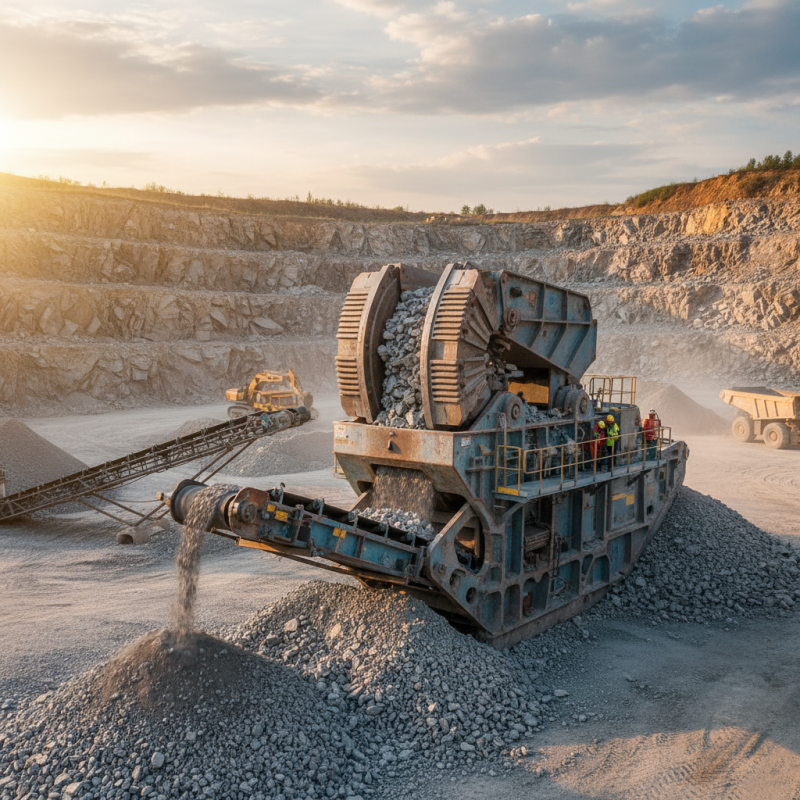
Factors to Consider When Selecting a Single Toggle Jaw Crusher
When selecting a single toggle jaw crusher, consider various factors. The material type is crucial. Harder rocks require robust crushers. Think about the size of the materials you're processing. Smaller materials need a different setup than larger ones.
Quality of construction matters too. Strong materials ensure durability. Inspect the design features. Some crushers might have a simpler design but may lack efficiency. Performance can vary, so review specifications carefully.
**Tip:** Always analyze your crushing needs before making a decision. Missed details can lead to inefficiencies.
Another aspect is maintenance. Some models may need more frequent upkeep. Reflect on your team's expertise. If they lack experience, consider user-friendly options. Check for after-sales support as well.
**Tip:** Visit operating sites if possible. Real-world observations can reveal more than specifications. You may notice problems not listed in the manuals. Adjusting your choice after these reflections can lead to better project outcomes.
Understanding the Mechanism of Single Toggle Jaw Crushers
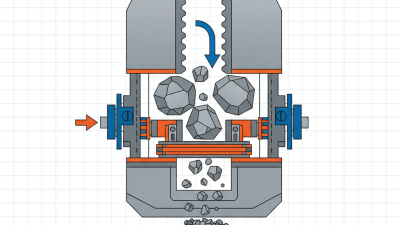
Single toggle jaw crushers are essential in many industries. Their mechanism is quite distinct. They consist of a fixed jaw and a moving jaw. The moving jaw uses a simple back-and-forth motion to crush materials. This design makes it ideal for reducing hard and brittle materials effectively.
One advantage is the straightforward operation. Fewer moving parts mean less maintenance. However, they can struggle with very hard materials. The efficiency may drop if the material is too tough. It's essential to assess the hardness of your material before making a decision. Additionally, the size of the crusher plays a crucial role. A larger unit might seem better, but it could lead to inefficiencies if not matched with the right application.
Another element to consider is the output size required for your project. Not all single toggle jaw crushers deliver the same result. The adjustable space between the jaws affects the final product size. It can be a challenge to find the perfect setting.
Too tight may cause jams, while too loose won't generate an adequate product. Each operation presents unique demands. Thus, careful evaluation is necessary before selecting a model.
Evaluating Material Hardness and Size for Optimal Performance
Choosing the right single toggle jaw crusher requires a deep understanding of the material's hardness and size. Material hardness is measured on the Mohs scale, which ranges from talc (1) to diamond (10). Most materials in crushing applications fall between 3 and 7 on this scale. A material with a hardness of 5, like limestone, will require different crushing settings than a harder material like granite.
The size of the material also plays a crucial role in crusher selection. According to industry reports, the feed size can range from 40 mm to over 800 mm. Crushers can typically handle a maximum feed size of 80% of their opening width. Therefore, knowing the maximum particle size is vital. For instance, if you expect to crush stone with an average size of 250 mm, you'll need a crusher designed for a larger feeding capacity.
However, factors like wear and tear should not be overlooked. Harder materials lead to quicker wear on the crushing jaws. Data suggests that excessive wear can decrease efficiency by up to 30%. Regular maintenance and periodic inspections are essential to ensure optimal performance. Ignoring these factors may result in unexpected downtime and high operational costs. Selecting the right machine is as much about understanding the material as it is about the machine itself.
Assessing the Capacity and Output Requirements of Your Project
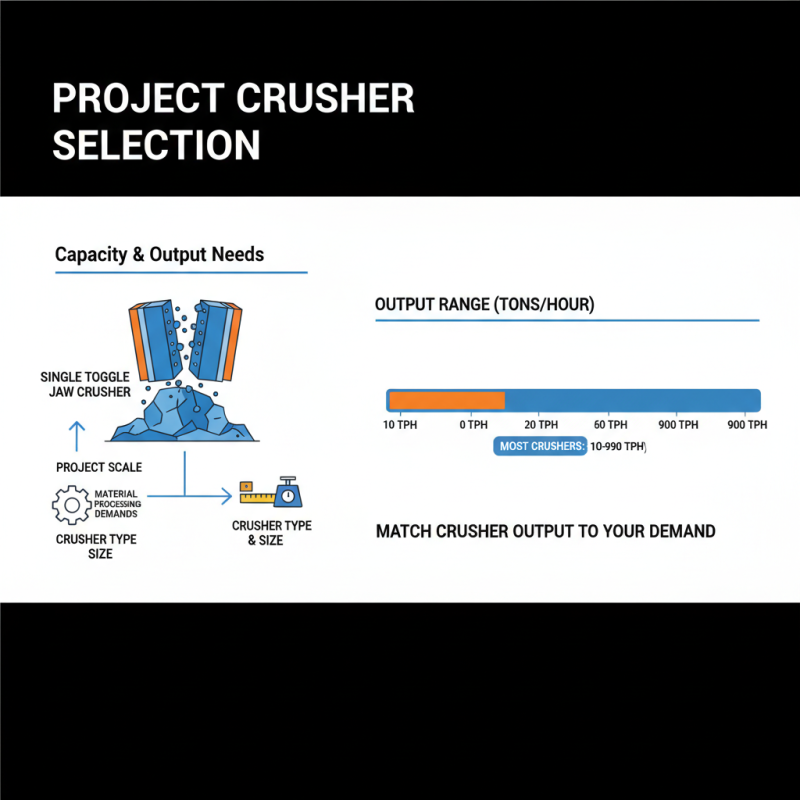
When selecting a single toggle jaw crusher, understanding your project's capacity and output needs is crucial. The output requirements directly impact the type and size of the crusher you choose. Most single toggle jaw crushers produce between 10 and 900 tons per hour. Depending on your project scale, you must match the crusher's output with your material processing demands.
It's important to analyze the specific materials you will be crushing. Harder materials may require a different approach than softer ones. For instance, rocks like granite can create more wear and tear on the crusher. This can affect its longevity and efficiency. A project report from Mining & Quarrying indicates that material characteristics can skew output rates by up to 25%.
Tips: Always conduct a test run with your material when possible. Examine the feed particle size and adjust your equipment settings accordingly. This ensures you maximize output without compromising the equipment's durability. Also, be mindful of the energy consumption. Some crushers can be inefficient, leading to higher operational costs.
Taking all these factors into account can be overwhelming, but careful planning can ease the process. Don't rush into decisions. Instead, take your time to evaluate all aspects of your project's capacity needs. This reflection can prevent costly mistakes later.
Comparing Cost and Maintenance Needs of Different Crusher Models
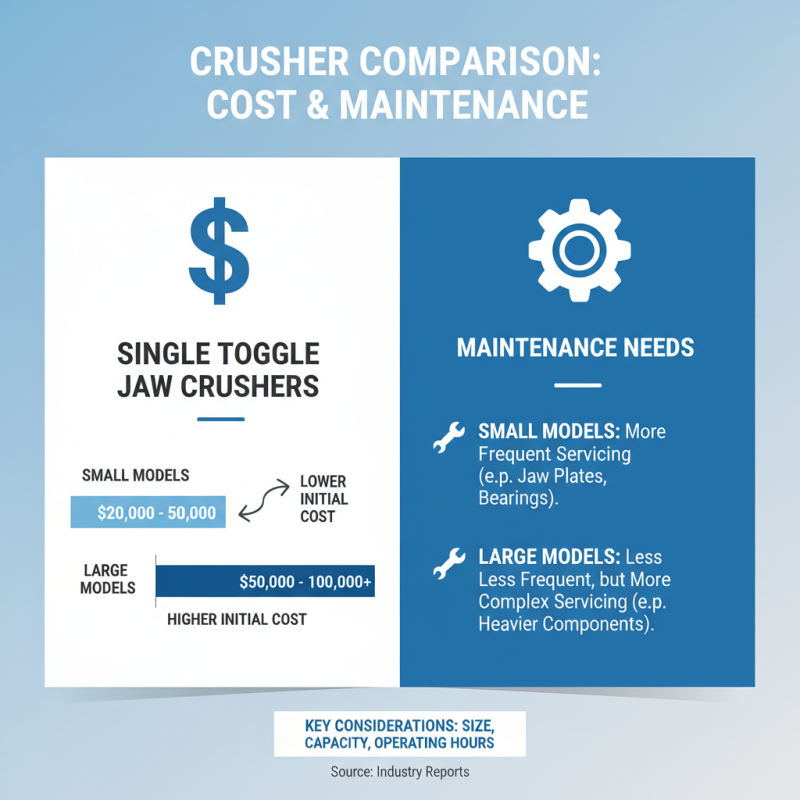
When choosing a single toggle jaw crusher, cost and maintenance are critical factors. Different models have varied price points and ongoing maintenance requirements. According to industry reports, initial costs can range from $20,000 to over $100,000 based on size and capacity. Smaller models tend to be less expensive but may require more frequent servicing.
Maintenance can add significantly to long-term expenses. Some crushers need regular part replacements every few months, costing around $1,500 for wear parts. In contrast, others offer extended lifespans and lower maintenance, making them a more cost-effective option over time. Data suggests that manufacturers focused on durable materials can reduce downtime and service frequency, which is essential for operations.
Tip: Look for models with lower rated operational hours. They typically last longer and require fewer repairs. Always gather insights from users about their experiences. Reviews can offer a glimpse into real-world performance and hidden issues. Balancing cost with maintenance needs is crucial for project success, so take your time to evaluate thoroughly.