How to Choose the Best Rock Crushers for Your Business Needs?
Choosing the right rock crushers for your business is crucial. According to John Doe, a renowned expert in the rock crushing industry, “Selecting the right equipment defines success.” His insights highlight the importance of making informed decisions.
Rock crushers come in various types and sizes, each tailored for specific purposes. Understanding your operational requirements is vital. Are you focusing on small-scale projects or large aggregates? The answer will guide your choice significantly.
Additionally, the durability and efficiency of rock crushers can impact long-term profitability. Inconsistent performance can lead to costly delays. Therefore, it’s essential to reflect on both performance metrics and manufacturer reputation. Investing in high-quality equipment can save you from frequent repairs.
Understanding Different Types of Rock Crushers Available on the Market
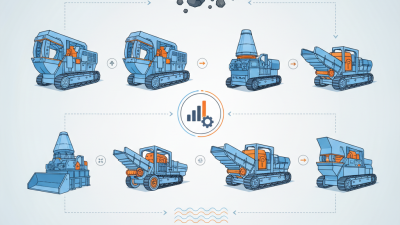
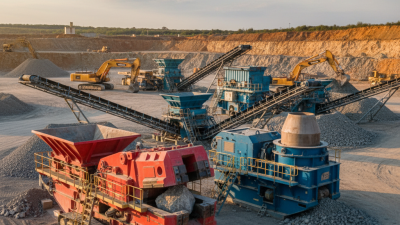
When considering rock crushers, understanding the various types available is essential. Different machines serve different purposes. Jaw crushers, for instance, are ideal for primary crushing. They work by using compressive forces to break down large rocks. Cone crushers are another option. These are great for secondary crushing and produce finer materials. They use a rotating cone in a crushing chamber.
Impact crushers deserve attention too. They cater to projects demanding high efficiency. They use high-speed mechanical forces to crush rocks. These crushers are versatile and are suitable for various materials. However, they may not handle abrasive materials as well as others.
Choosing the right rock crusher also requires considering material characteristics. Hardness, size, and moisture content impact performance. Regular maintenance plays a vital role in ensuring efficiency. Some machines may require more upkeep than others. This factor can affect long-term costs and operational effectiveness. It's important to assess your specific needs before making a final decision. Each type of crusher has its strengths and weaknesses. Understanding these will lead to better choices for your business.
Evaluating Your Business Requirements for Rock Crushing Solutions
When evaluating your business requirements for rock crushing solutions, it is essential to consider your specific needs. Identify the types of materials you will be processing. Are you mainly dealing with concrete, asphalt, or natural stones? The answers shape your equipment choice. Also, assess the expected volume of production. High demand may require a more robust machine.
Another aspect to contemplate is the site conditions. Will your crushers operate in a remote area? If so, portability becomes crucial. Consider the power source too. Electric models may be suitable for stable environments, while diesel options suit rugged terrains.
Don't overlook maintenance and operational costs. Some machines offer advanced technology that simplifies upkeep. However, these may come at a higher purchase price. Exploring both short-term and long-term expenses is vital. This reflection ensures that your investment aligns with your business goals and capabilities.
Key Factors to Consider When Selecting a Rock Crusher
Choosing the right rock crusher involves multiple factors. The first consideration is the material you plan to crush. Different rocks have varied hardness levels. For instance, granite requires a more robust machine than limestone. Knowing your primary material helps in narrowing down options.
Capacity is another vital factor. Determine how much material you need to crush daily. Some crushers are designed for high output, while others are ideal for smaller projects. If you underestimate your needs, production might stall. It's important to strike a balance between size and efficiency.
Lastly, think about the machine's maintenance needs. Regular upkeep ensures durability. Some models may demand more attention than others. This could impact your operational costs. A thorough understanding of these factors will lead to better decision-making, ultimately enhancing your business efficiency.
Comparing Popular Rock Crusher Brands and Models
When selecting a rock crusher for your operations, brand reputation matters. Established brands often have proven track records. They provide reliable equipment that withstands tough conditions. Key features to consider include the crusher’s size, power, and material compatibility.
Different models serve various needs, from small quarry operations to large mining projects. Some models excel at producing finer aggregates, while others may focus on larger rocks. Quality of construction is also important; robust materials can enhance durability and reduce maintenance costs.
It’s crucial to evaluate each brand’s after-sales support. Access to spare parts and service can impact your long-term success. Visiting trade shows or industry events can offer vital insights. You can see equipment in action and discuss with other users. This real-world feedback often reveals unexpected challenges and performance nuances. Evaluate both the pros and cons before making a decision. Embrace a thoughtful approach to find the right rock crusher for your business.
Assessing Cost vs. Performance in Rock Crusher Purchasing Decisions
When selecting a rock crusher for your business, balancing cost and performance is crucial. A 2022 industry report indicated that the average purchase price for quality crushers ranges from $50,000 to $150,000. However, the initial cost may not fully reflect long-term benefits. Investing in equipment with higher durability can reduce maintenance expenses significantly. For example, better-built models can last 25% longer, which leads to lower total cost of ownership over time.
Understanding operational performance is just as important. According to data from the Mining and Quarrying Journal, rock crushers with improved throughput can enhance efficiency by 30%. This means they process more material without additional energy costs, offering better returns. Compare the specs among various models to ensure you evaluate performance metrics like crushing ratio and energy consumption.
While some operators might lean towards cheaper options, this could result in higher operational costs down the line. An analysis of user feedback shows that many regret not investing more upfront. It's essential to consider both immediate and future needs when making a decision. Evaluating these aspects thoroughly can lead to better outcomes for your business.