How to Choose the Right Crusher Stone for Your Landscaping Needs?
Choosing the right Crusher Stone for landscaping is crucial. It impacts both aesthetics and functionality. Many options exist, each serving different purposes.
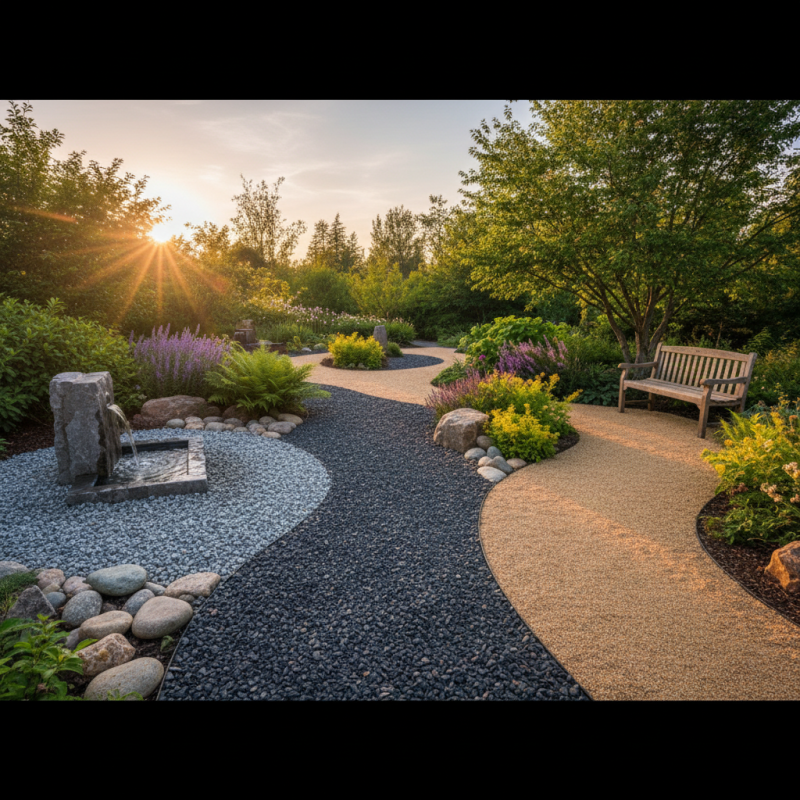
When selecting Crusher Stone, consider your overall design plan. The color and texture of the stone should complement your landscape. Popular choices include granite, basalt, and limestone. Each type has unique features that can enhance your outdoor space.
Keep in mind the maintenance of Crusher Stone. Some stones may require more upkeep than others. Reflect on the long-term implications of your choice. What looks good today may need constant care tomorrow. Be aware of these factors to ensure a successful landscaping project.
Factors to Consider When Selecting Crusher Stone for Landscaping
When selecting crusher stone for landscaping, several factors come into play.
The type of stone you choose can greatly affect the overall look and functionality of your space. Industry reports suggest that
gravel stones make up about 75% of all landscaping projects.
They offer versatility in appearance and application, but not all varieties are suitable for every landscaping need.
Consider the size and shape of the stones. Larger stones may provide a natural look but can be difficult to walk on.
Smaller stones, around 1-2 inches, are often easier for pathways and planting beds.
Be mindful of the color as well; neutral tones may blend well with most plants, while vibrant colors can create a striking contrast.
Tip: Always consider the stone's drainage capacity. Poor drainage can lead
to water pooling, which can harm plant life.
Another important factor is the stone's intended use. Do you need it for decorative purposes, or is it for a structural application?
For instance, decorative stones are ideal for mulching and enhancing aesthetics. If you need stones for erosion control,
look for angular stones that lock together better.
Tip: Take a drive to local quarries to see different stone types in person.
This can help you gauge color and texture more accurately than images alone.
Types of Crusher Stone and Their Unique Characteristics
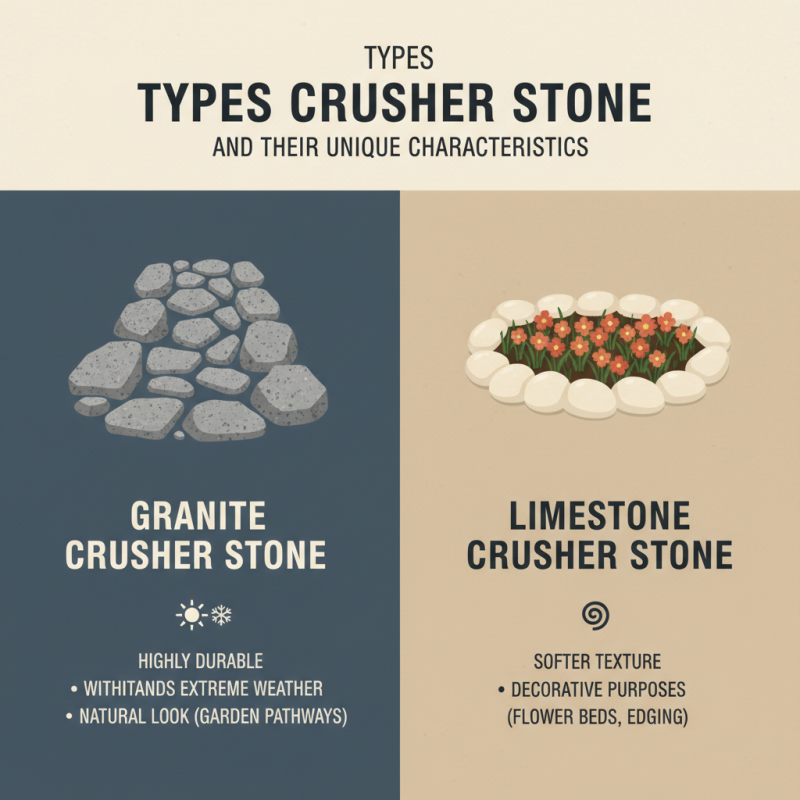
When choosing the right crusher stone for landscaping, it's essential to understand the different types available. There are several kinds of crusher stones, each with unique characteristics. For example, granite stones are highly durable and can withstand extreme weather. They offer a natural look, perfect for garden pathways. Limestone, on the other hand, is softer and often used for decorative purposes.
Tips: Consider the climate in your area. Warmer regions may benefit from granite, while cooler areas might prefer limestone. Think about the overall look you want to achieve.
Another type is basalt, known for its dark color and smooth texture. It can provide a modern look to your landscape. However, its density makes it harder to work with. River rocks, too, present another option. They are rounded and smooth, often used in water features. Yet, they may not fit every style requirement.
Tips: Take your time when selecting stones. Visit local suppliers and see the stones in person. This way, you can visualize how they work in your landscape. Remember, the right choice can elevate your outdoor space significantly.
Evaluating Aesthetics: Choosing Colors and Textures for Your Landscape
When selecting stone for landscaping, color and texture play pivotal roles. Different shades can evoke diverse feelings. A recent industry report shows that warm tones like reds and browns create a cozy ambiance, while cool tones like blues and greys can enhance calmness. However, it's essential to consider regional color trends. In some areas, certain colors might clash with local flora or architectural styles. Balancing aesthetics with functionality is therefore key.
Texture also significantly impacts the visual appeal. Smooth stones provide a contemporary look, while rough, jagged stones can evoke a rustic feel. A study indicates that 70% of homeowners prefer textured stones for their unique character. Yet, one must avoid excessive uniformity. A mix of textures can add depth, preventing the landscape from appearing flat. Too much variety, however, might lead to a chaotic appearance.
Integrating stone colors and textures thoughtfully enhances your landscape design. It's about more than just looks; it's about harmony. An homage to your local environment is crucial. Recognizing the need for balance can lead to a stunning, cohesive outdoor space.
Understanding Drainage and Stability in Crusher Stone Selection
When selecting crusher stone for landscaping, drainage and stability are crucial factors to consider. Poor drainage can lead to water accumulation, which may cause plant roots to rot or encourage unwanted weeds. According to the National Landscape Association, proper drainage is essential to maintain a healthy ecosystem in your garden. Research suggests that gravel sizes between 3/4 inch and 1 inch are optimal for effective drainage, allowing water to flow freely while supporting stable plant growth.
In terms of stability, the material's compaction is vital. Loose stones can shift under pressure, leading to uneven surfaces. Studies show that well-compacted crusher stone can reduce settling by up to 30%. Compacting the material properly will create a solid foundation for pathways or patios. This process often requires specialized equipment, which may not be readily available for every homeowner. Consider consulting a landscaping professional to achieve the desired results and avoid costly mistakes.
Choosing the right texture is also important. Coarser stones tend to provide better stability, while finer particles can enhance drainage. Some gardens call for a blend of both for optimal performance. Observing how different stones behave after rain can offer insights into their effectiveness. You've got to test and iterate, figuring out what works best for your specific landscape needs.
Types of Crusher Stone for Landscaping
This bar chart illustrates the popularity of different types of crusher stone used in landscaping. Understanding these various options can help you determine the best choice for your drainage and stability needs.
Budgeting for Your Landscaping Project: Cost of Different Crusher Stones
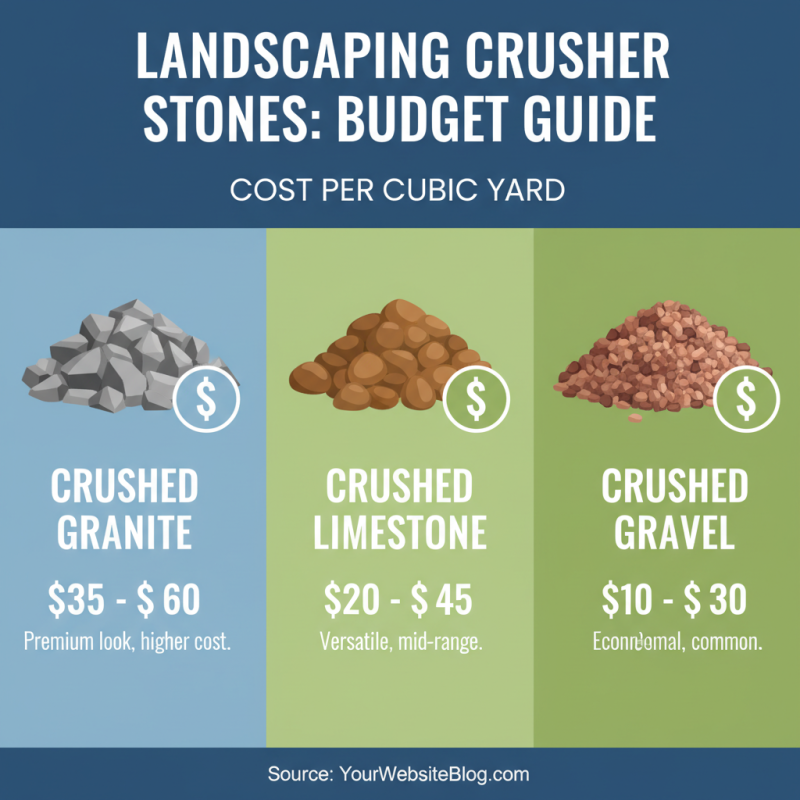
When planning a landscaping project, budgeting is crucial. The types of crusher stones available vary widely in cost. For instance, crushed granite typically costs between $35 to $60 per cubic yard. It offers a stunning look but can strain smaller budgets.
In contrast, limestone is a popular choice, generally costing around $30 to $50 per cubic yard. It’s versatile and complements various landscaping styles. Nevertheless, it's essential to consider durability. You might spend less upfront on limestone, but maintenance costs can add up over time.
Don’t overlook local availability, as transportation fees can significantly affect your budget. If you live far from a quarry, those costs can escalate quickly. Professional reports suggest that shipping fees may account for 15-25% of the total project costs. Make sure to seek out local sources to lower expenses.