How to Choose the Right Rock Crushing Equipment for Your Needs?
Choosing the right rock crushing equipment can be a daunting task. It is essential to assess your specific needs and requirements. Different projects demand different machinery. The type of rock, desired size, and project scale determine the right equipment.
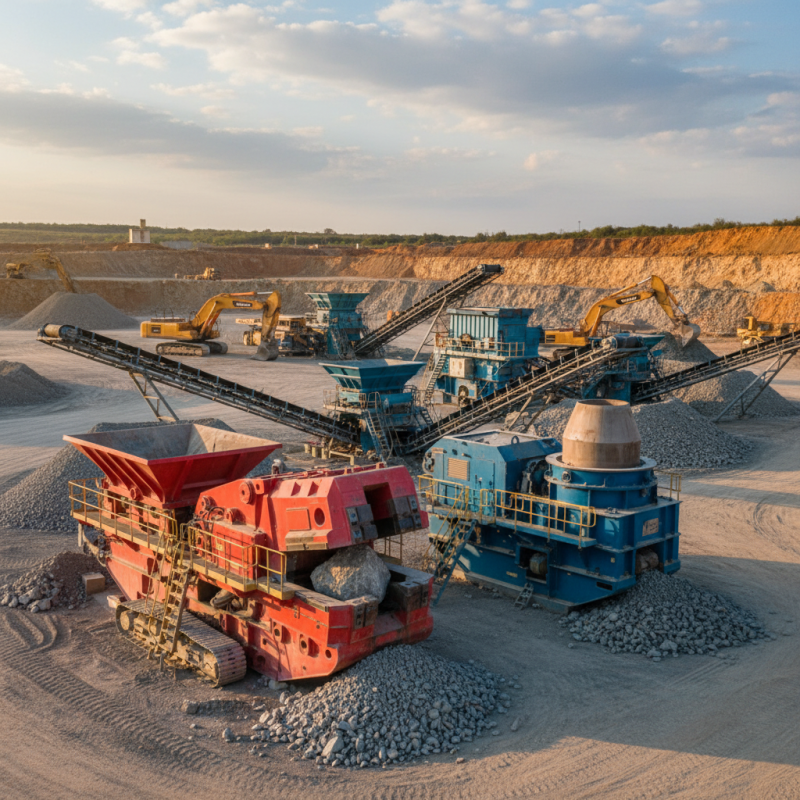
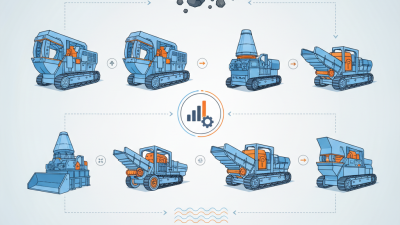
Rock crushing equipment comes in various forms. Jaw crushers, impact crushers, and cone crushers all serve distinct purposes. Each type has unique advantages and limitations. When selecting, consider the material you will crush and your production goals.
Sometimes, the best choice is not straightforward. Many factors can complicate the decision process. You might feel overwhelmed by the options available. It’s crucial to reflect on your project details. Proper research can pay off in the long run. Ensuring you choose the right rock crushing equipment will lead to better efficiency and productivity.
Understanding Different Types of Rock Crushing Equipment Available
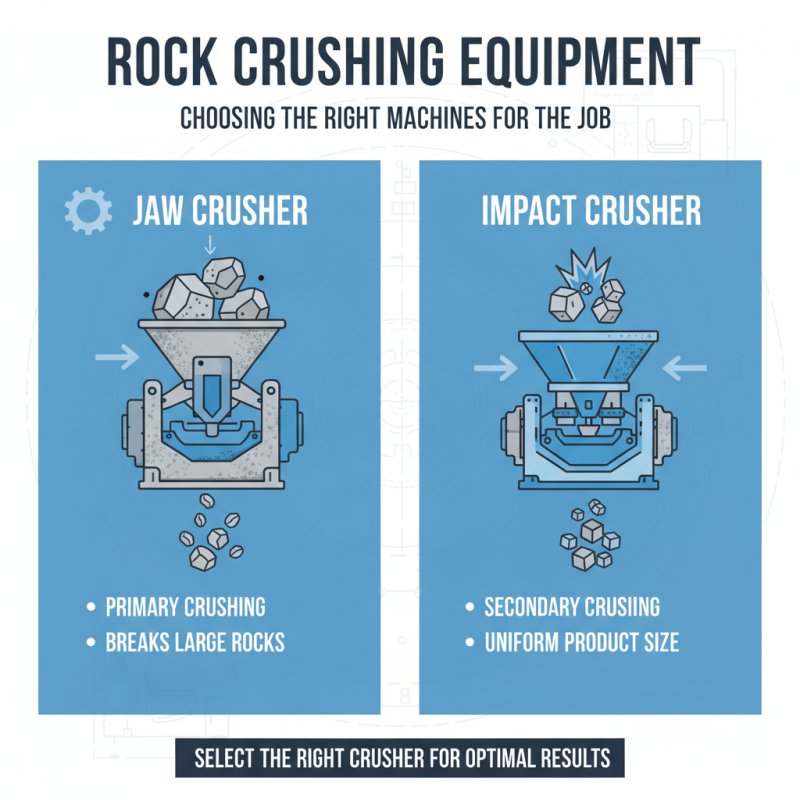
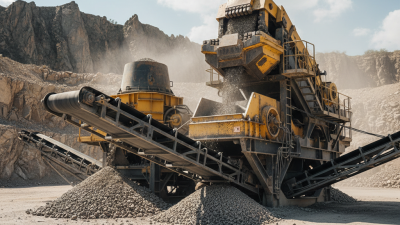
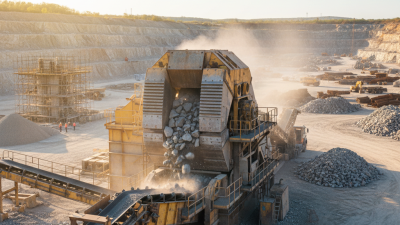
Choosing the right rock crushing equipment involves understanding the options available. There are several types of crushing machines, each suited for different materials and purposes. Jaw crushers are common for primary crushing. They break down large rocks into smaller pieces. Impact crushers are ideal for producing a more uniform size of crushed materials. They use high-speed impact to achieve this.
Consider the size and hardness of the rock you will be working with. If you have softer materials, an impact crusher might be enough. For harder rocks, a jaw crusher is often more effective. It’s also worth noting that different machines have varying efficiency rates. Some might save time but consume more energy.
Tips: Always evaluate your specific needs before choosing. Ensure the machine’s capacity matches your project scale. Additionally, think about maintenance. Some equipment requires more upkeep than others. Reflect on your operation's total costs, not just the purchase price.
Factors to Consider When Selecting Rock Crushing Equipment
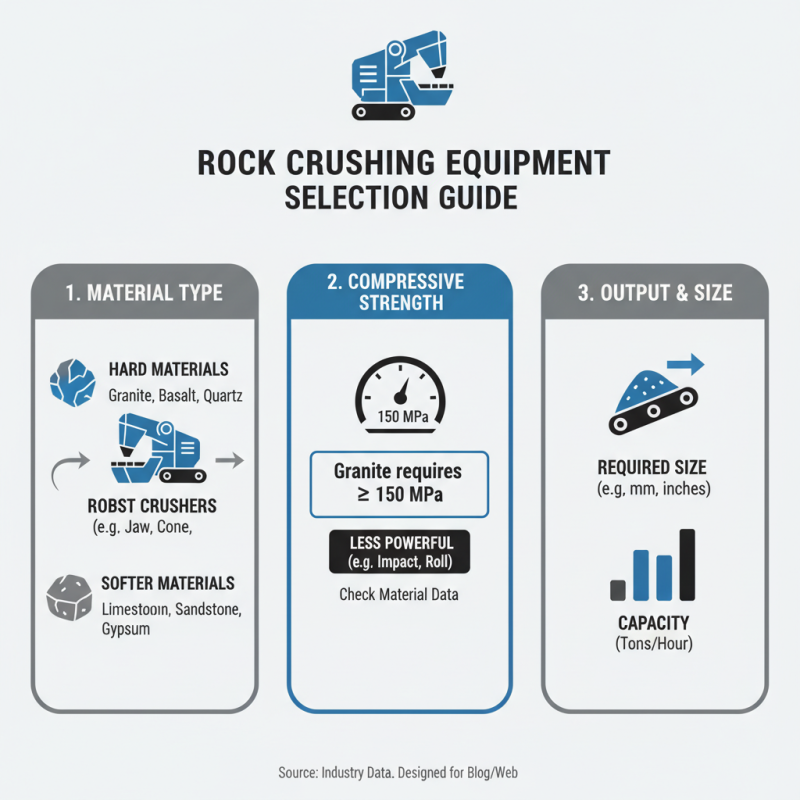
Choosing the right rock crushing equipment involves several key factors. The material type greatly affects your choice. For instance, hard materials like granite require robust machines. In contrast, softer materials may need less powerful equipment. According to industry data, a crusher suitable for granite must achieve compressive strengths of at least 150 MPa. This detail can help narrow your options.
Another critical element is the desired output size. Different applications require different size specifications. A report from a leading aggregate association indicates that 40% of operations target aggregate sizes between 0-20 mm. Understanding your end goals will streamline your selection. It’s important to evaluate the machine's specifications against your project needs. However, many users overlook these details, resulting in underperformance or equipment failure.
Maintenance requirements also play a vital role. High-maintenance machines can lead to unexpected downtime. An article highlighted that equipment downtime averages about 5% of production time. Regular maintenance can mitigate this, but it requires careful planning. Assessing the machine’s design for ease of access can determine how manageable maintenance will be in practice. Each of these factors is crucial for effective decision-making.
Analyzing Material Properties for Optimal Crusher Choice
Choosing the right rock crushing equipment relies heavily on understanding the material properties involved. Different materials demand specific crushing techniques. For example, the compressive strength of the rock is crucial. A recent industry report states that rocks with a compressive strength over 20,000 psi often require specialized equipment. Overshooting on crusher capability can lead to unnecessary equipment wear, creating added costs.
The material’s size and shape also play a significant role. Angular materials are harder to crush compared to rounded ones. According to data from a leading materials science journal, different shapes can affect the efficiency of the crushing process. Thus, knowing the feed characteristics helps optimize equipment choice. Sometimes, companies select crushers without considering the input size. This can lead to inefficient operations and higher operational costs.
Another consideration is material hardness. Mohs hardness scale shows that harder materials lead to increased wear on crushers. Choosing the wrong type can mean frequent maintenance or even early equipment failure. Many operations do not adjust for this, risking downtime and productivity loss.
Overall, understanding material properties can help in making informed decisions when selecting rock crushing equipment, thus optimizing production and reducing cost inefficiencies.
Evaluating Production Capacity and Efficiency Requirements
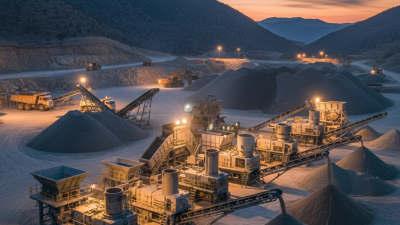
Choosing the right rock crushing equipment involves understanding your production capacity and efficiency needs. Each project is different. Assess how much material you need to process daily. If you require high output, a larger and more powerful crusher may be essential.
Consider your operational efficiency too. A machine that consumes too much energy or takes too long to produce the desired output isn’t ideal. Understand the specs. Know the maximum feed size and the desired final product size. These details can significantly impact your choice.
Tips: Always analyze your specific material type. Different rocks demand different crushing techniques. Test equipment at lower capacities first. This approach allows you to identify potential inefficiencies without massive commitments. Don't overlook maintenance needs, as they can affect overall performance over time.
Maintenance and Operational Costs of Rock Crushing Equipment
When considering rock crushing equipment, maintenance and operational costs are vital. Regular maintenance is critical for keeping machinery running smoothly. Failure to address small issues can lead to costly repairs later. Operators should establish a routine check-up schedule. Inspect crucial components like bearings and belts. These parts often wear out and require replacements. Neglecting these elements can dramatically increase operational costs.
Operational costs fluctuate based on usage and efficiency. A machine that operates inefficiently can consume excessive fuel or electricity. Therefore, choosing equipment designed for your specific needs is crucial. It helps reduce energy costs over time. Training operators on best practices can enhance performance. Poorly trained staff might misuse equipment, leading to higher maintenance demands.
Tracking performance metrics can uncover potential savings. Regular reviews of operational data show where inefficiencies exist. Analyzing wear and tear gives insight into equipment longevity. These insights can influence purchasing decisions in the future. Often, the cheaper option may become more expensive when maintenance issues arise. Investing in quality may require higher upfront costs, but it can save money in the long run. Identifying the right balance takes time, but it's essential for project success.
Operational and Maintenance Costs of Rock Crushing Equipment