2026 How to Choose the Best Portable Jaw Crusher for Your Needs?
Choosing the best Portable Jaw Crusher can be challenging. Industry expert John Smith once stated, “Selecting the right equipment is crucial for efficiency.” His words highlight the importance of making informed decisions.
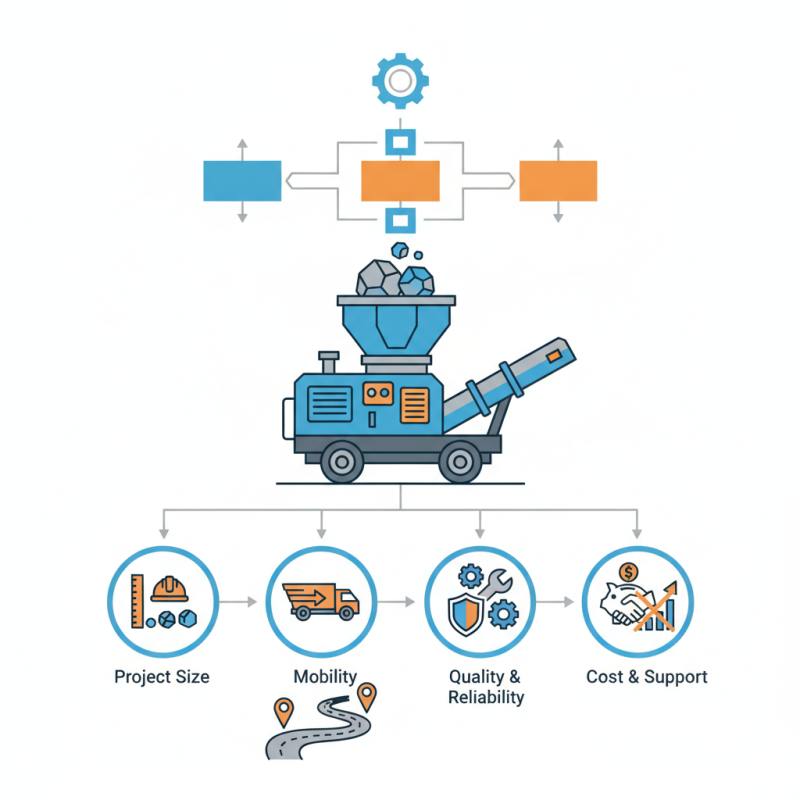
When considering a Portable Jaw Crusher, one must evaluate several factors. The size of the project is key. A larger crusher might seem advantageous, yet it may not suit all jobs. Mobility is another essential aspect. You want equipment that can adapt to various sites.
Cost shouldn't overshadow quality. A cheaper Portable Jaw Crusher might lead to frequent repairs. Reliability and support are pivotal. Without proper service, any machine can become a burden. Ensuring you choose wisely will enhance your project’s productivity.
Understanding Portable Jaw Crushers and Their Functions
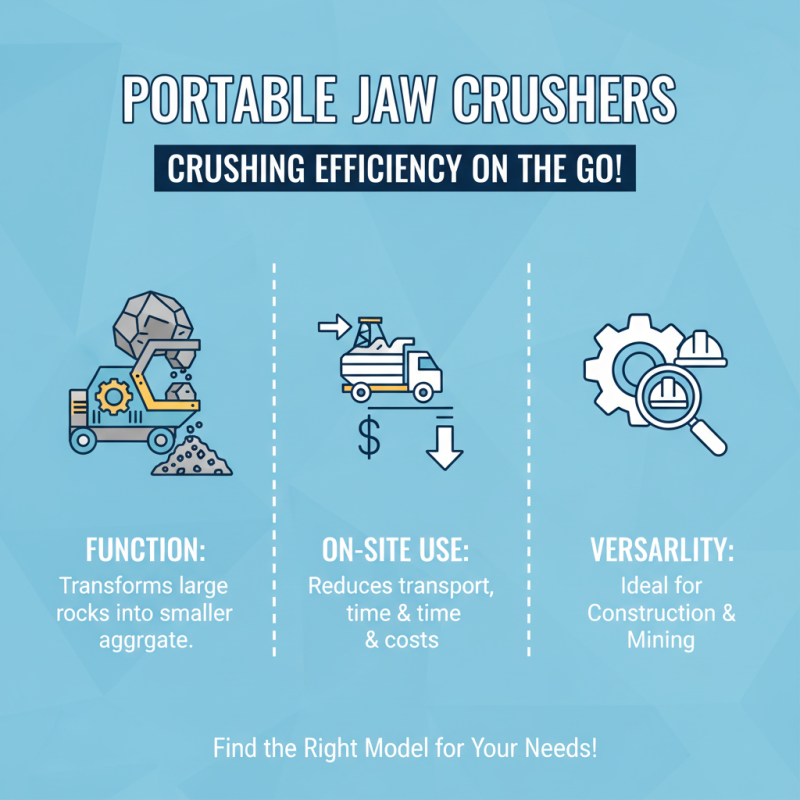
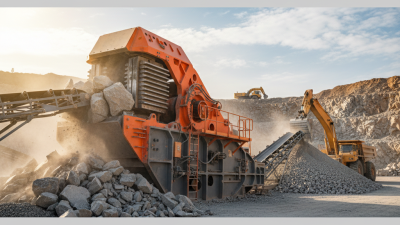
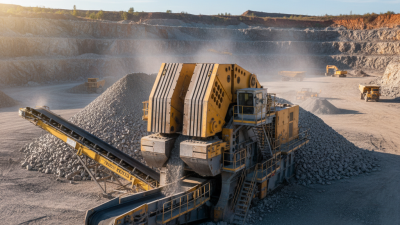
Portable jaw crushers are essential for various construction and mining tasks. They are designed to crush large rock materials into smaller pieces. Understanding their functions can help you find the right model for your needs. A portable jaw crusher can be used on-site, reducing the need for transporting materials. This feature saves time and money.
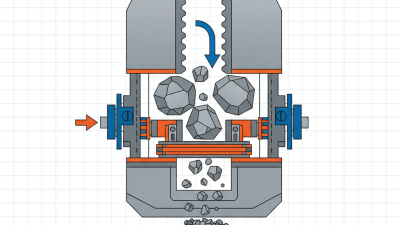
These crushers operate with a fixed and a movable jaw. The movable jaw swings back and forth, crushing materials. This action can handle various materials like granite, limestone, and concrete. Size and weight matter when choosing a portable jaw crusher. Compact models are easier to transport but may have lower capacity.
Choosing the best option can be tricky. Consider your material’s size, hardness, and volume. An ideal crusher should match your project’s specific demands. Sometimes, what seems perfect might not perform well in practice. Testing different models can reveal unexpected limitations. Each project may require a unique approach. Be prepared to reassess your choice as your needs evolve.
Key Factors to Consider When Selecting a Portable Jaw Crusher
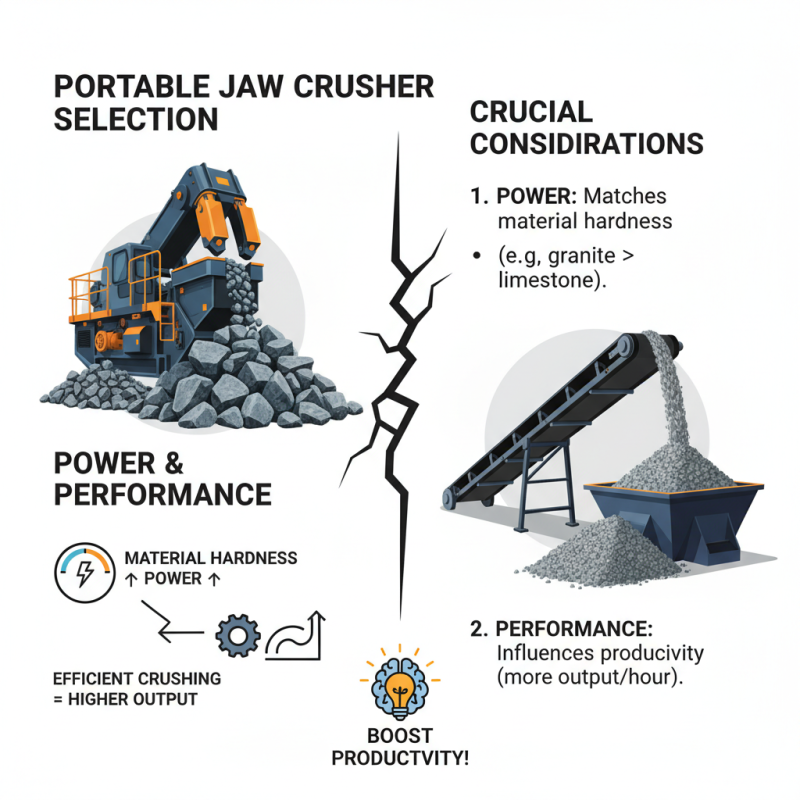
When selecting a portable jaw crusher, several key factors must be considered. One important aspect is the crusher’s capacity. The output capacity can greatly impact your project's efficiency. A study by the National Stone, Sand & Gravel Association revealed that production rates vary significantly among models, often ranging from 50 to 500 tons per hour. Choose a capacity that aligns with your specific project needs.
Material type matters too. Different jaw crushers excel with varying materials, such as granite, concrete, or limestone. Understanding your material will help you make a more informed decision. A portable jaw crusher suited for abrasiveness can reduce wear and tear, translating to lower maintenance costs.
Tips: Always check reviews and performance reports. Look for feedback from similar projects. This can provide insights into practical performance, not just theoretical specs. Keep in mind that even reputable models may have limitations or issues that might not be immediately visible.
Another factor involves power consumption. More powerful models tend to be energy-efficient but can require higher initial investments. Balancing cost and efficiency is crucial. According to industry data, operating costs can represent about 30% of the total lifecycle cost of the equipment. Assessing total ownership costs is essential for long-term planning.
Comparison of Key Factors for Portable Jaw Crushers
This chart illustrates important factors to consider when selecting a portable jaw crusher. Each factor is rated on a scale from 1 to 10, reflecting its importance based on performance, efficiency, and cost-effectiveness.
Comparing Different Models and Their Features
When selecting a portable jaw crusher, understanding the features of different models is essential. These crushers vary significantly in capacity and design. For instance, some models offer a higher crushing ratio, typically ranging from 4:1 to 6:1. This figure directly impacts efficiency and material output. Yet, some users may overlook the importance of mobility, which can be a game-changer on job sites.
Not all portable jaw crushers are built the same. Weight and size play a critical role in ease of transport. A model weighing under 10,000 pounds can be moved easily with standard equipment. Meanwhile, crushers with larger feed openings often accommodate bigger materials, increasing versatility. However, the increased size may come with trade-offs in weight and transportability.
Industry reports indicate a rising demand for versatile yet compact crushing solutions. According to a recent market analysis, manufacturers are producing models with integrated feeder systems. This can save setup time on-site. But, while advanced features are appealing, they can also lead to higher initial costs, which need careful consideration. Each feature should be weighed against actual project requirements to avoid overspending or compromising on efficiency.
Maintenance and Support: Ensuring Longevity of Your Crusher
Maintenance is crucial for portable jaw crushers. Regular checks can prevent costly breakdowns and extend their lifespan. According to industry reports, a well-maintained jaw crusher can operate efficiently for over 10,000 hours. However, many users overlook basic maintenance schedules. This can lead to premature wear and tear.
Proper lubrication is vital. Insufficient lubrication can create friction, leading to overheating. This not only affects performance but can result in catastrophic failures. Regularly inspecting and replacing worn parts is essential too. A study found that 25% of mechanical failures stem from neglected components. Users should keep a detailed maintenance log. This helps in tracking performance and identifying issues early.
Customer support is also important. Comprehensive support can make a big difference in the long run. Many manufacturers offer training and guidance on maintenance. This ensures users are well-informed. However, not all provide the same level of service. Choosing a crusher with reliable support can save time and money. Remember, investing in maintenance is investing in productivity.