How to Choose the Right Jaw Crusher Machine for Your Needs?
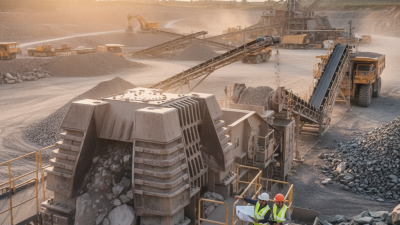
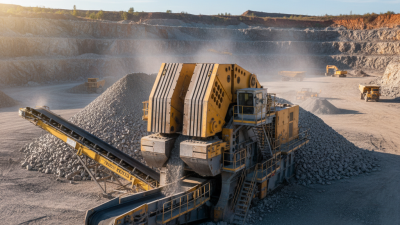
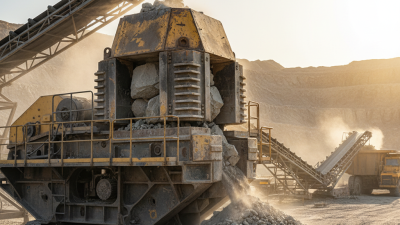
Choosing the right Jaw Crusher Machine is crucial for any mining or construction project. Experts emphasize the importance of this decision. Dr. John Smith, a leading specialist in crushing technology, once stated, “Selecting the appropriate Jaw Crusher Machine can significantly impact efficiency and costs.”
When considering a Jaw Crusher Machine, it's essential to evaluate your specific needs carefully. Factors like material type, output size, and production capacity all play a vital role. A mismatch in these areas can lead to increased downtime, excessive wear, and unexpected expenses.
It’s also important to remember that not every machine suits every application. The market is filled with options, each designed for varied purposes. You may face confusion amid the vast choices available. A clear understanding of your project requirements will guide you in making the best decision. Ultimately, investing time in selecting the right Jaw Crusher Machine can yield significant long-term benefits.
Understanding the Different Types of Jaw Crushers Available
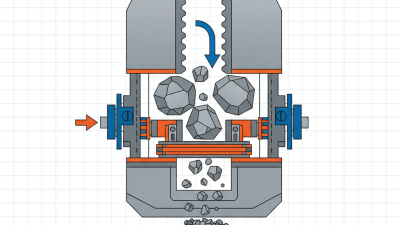
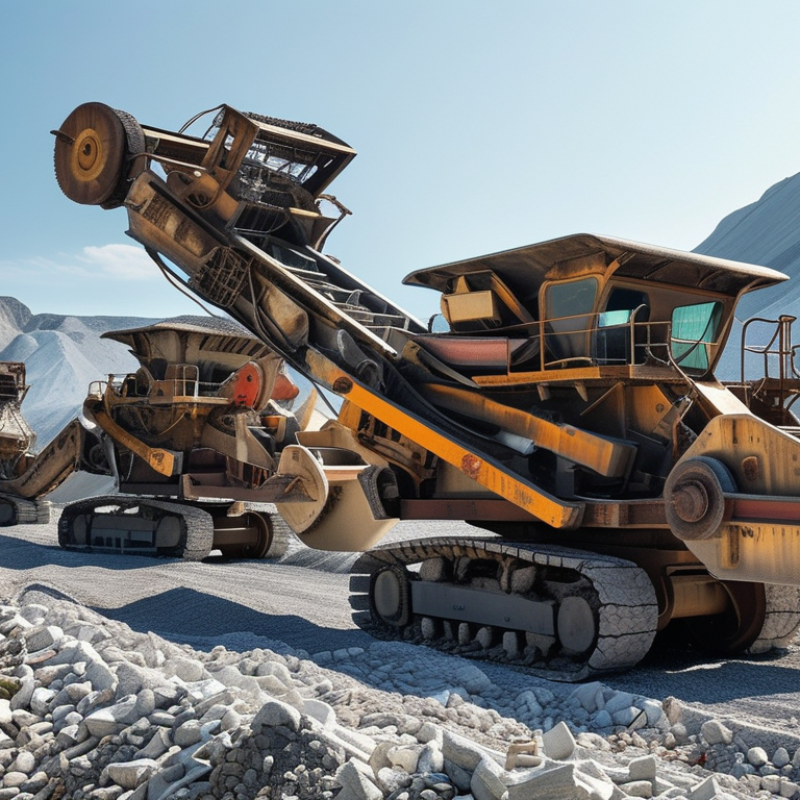
When selecting a jaw crusher, understanding the types available is crucial. There are mainly two categories: single-toggle and double-toggle jaw crushers. Single-toggle models are often preferred for their simplicity and high throughput. They offer a more compact design, making them easier to install and operate. A report by the Mining Equipment Association states that single-toggle crushers account for about 70% of the market share due to their efficiency in processing materials.
Double-toggle jaw crushers, while bulkier and often more expensive, provide higher crushing efficiency for tougher materials. They use a different mechanism that allows for a deeper crushing chamber. According to industry studies, these crushers can manage larger rocks effectively, which is vital for heavy-duty applications. However, their higher maintenance costs and power consumption may deter some buyers from investing in them, showing a trade-off between capacity and operational expenses.
Understanding your operational needs, including material type and desired output, can significantly impact your decision. The right choice ensures better performance, reduced downtime, and optimal cost-effectiveness. Many operators still struggle with choosing the ideal model, reflecting the complexity of the selection process and the need for expert consultation in the industry.
Assessing Your Material Characteristics and Processing Requirements
Choosing the right jaw crusher machine requires a clear understanding of your material characteristics. The type of material directly affects crusher selection. Hard, abrasive materials may need a sturdier design. Softer materials can often be processed with lighter machines. Recognize the size and shape of the material as well. Irregular shapes can cause blockages and affect efficiency.
Next, evaluate your processing requirements. Determine the desired output size and volume. A high throughput capacity is essential for large operations. In contrast, smaller projects may focus on precision rather than volume. Take into account factors like moisture content, which can alter crusher performance. Ideally, adjust your machine choice based on these variables.
Experience plays a crucial role during this assessment. Keep in mind that the ideal machine might not exist; compromises are common. Continuous evaluation can help refine your choice over time. Learning from processing challenges can lead to better decisions in the future.
Evaluating Crusher Size and Capacity for Your Operations
Choosing the right jaw crusher requires thoughtful consideration of size and capacity. Many operations struggle with the dilemma of selecting a machine that fits their specific needs. A machine too small can underperform, leading to inefficiencies. Conversely, a crusher that is too large may consume unnecessary energy and space. It's crucial to evaluate the material you will process.
Consider the size of the feed material and the desired output. Your raw material should guide the size of the jaw opening. Understanding the material's hardness and abrasiveness also plays a significant role. A high-capacity crusher may seem ideal, but it can be overwhelming for less demanding tasks. It's essential to find a balance that maximizes productivity without overloading your operations.
Take a moment to reflect on the workflow. Are you managing downtime effectively? Frequent breakdowns can disrupt operations. Choose a machine designed for reliability and engineered for simple maintenance. Analyze your output requirements regularly. This helps in adjusting your choice if your needs change over time. Always be ready to re-evaluate. What worked yesterday may not fit tomorrow’s demands.
Determining the Importance of Jaw Crusher Features and Specifications
When selecting a jaw crusher, understanding its features and specifications is crucial. Key factors include the crusher's capacity, size, and output. The average capacity of jaw crushers can vary significantly, ranging from 1 ton per hour to over 1,000 tons per hour. This broad range necessitates a careful assessment of your project needs. For instance, a smaller operation may only require a 20-inch model, while large-scale mining requires 60-inch or larger units.
Material hardness and brittleness must also be considered. Industries report that crushers handling harder materials may require reinforced frames and more powerful motors. A study by the Mining Journal indicates that wrong specifications can lead to increased maintenance costs by up to 30%. Additionally, one must not overlook the importance of safety features. This includes emergency stop buttons and hydraulic relief systems.
Reliability plays a vital role, too. The average lifespan of a jaw crusher is around 12-15 years, but inadequate maintenance can reduce this significantly. Experts recommend regularly scheduled inspections to prevent unexpected breakdowns. Investing in a crusher without understanding its specifications could lead to costly mistakes. Engage knowledgeable professionals to guide you in the selection process.
Considering Budget and Cost-effectiveness in Your Selection Process
When selecting a jaw crusher, your budget plays a vital role. It’s important to assess not just the initial purchase price but also long-term costs. Consider maintenance and repair expenses as these can add up significantly. Investing in a more reliable machine can lead to cost savings over time. Look for machines with sturdy construction and proven durability. They may seem more expensive upfront, but they tend to save money on repairs.
Another factor to consider is the total cost of ownership. This includes energy consumption and operating efficiencies. A machine that uses less energy may cost more initially but will prove to be more economical in the long run. Additionally, think about the specific needs of your operations. A larger machine might handle the workload better, but it could also lead to unnecessary overspending. Balancing performance needs with budget constraints can be challenging but crucial for effective decision-making.
Finally, evaluate the resale value. Some machines may depreciate faster than others. Understanding the market can guide you in making a wise investment. Don’t forget to factor in training costs for your team. Sometimes, cheaper machines may require more extensive training, adding hidden costs. Always reflect on your unique situation and make sure all aspects align with your operational goals.
How to Choose the Right Jaw Crusher Machine for Your Needs?
| Model |
Feed Size (mm) |
Max Output (tons/h) |
Power (kW) |
Cost (USD) |
Cost-effectiveness Rating |
| Model A |
400 |
50 |
75 |
15,000 |
8/10 |
| Model B |
300 |
35 |
55 |
12,000 |
9/10 |
| Model C |
500 |
70 |
90 |
18,000 |
7/10 |
| Model D |
200 |
20 |
45 |
10,000 |
8.5/10 |
| Model E |
450 |
65 |
80 |
16,500 |
8/10 |