What is a Concrete Jaw Crusher and How Does It Work?
Concrete Jaw Crushers are essential in the construction and demolition industry. They efficiently crush concrete, producing fine aggregates for reuse. The global market for construction equipment is projected to grow significantly. According to recent industry reports, it is expected to reach over $250 billion by 2026. This growth underscores the importance of reliable crushing equipment.
These machines leverage hydraulic technology and powerful jaws to break down robust materials. A Concrete Jaw Crusher’s design allows it to handle various sizes and types of concrete waste. The performance of these crushers contributes to sustainability in construction. However, the environmental impact of their operation and maintenance must be regularly assessed.
While Concrete Jaw Crushers enhance productivity, challenges still exist. Operators need to ensure safe usage to avoid accidents. Regular training is crucial for effective operation. Future advancements may improve efficiency further, yet thoughtful implementation is key to maximizing benefits.
What is a Concrete Jaw Crusher?
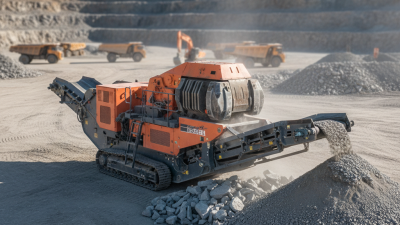
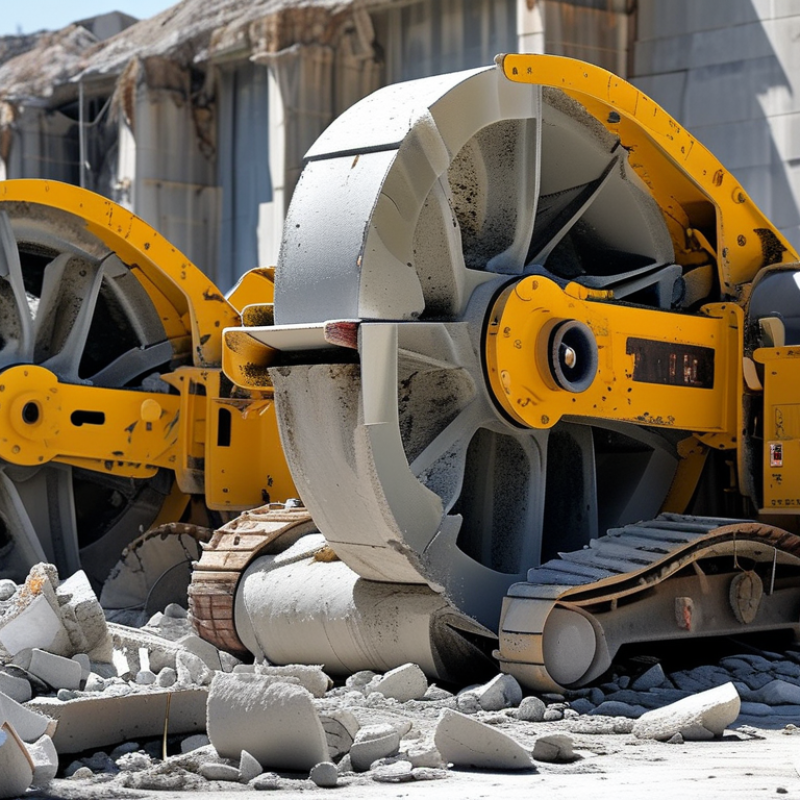
A concrete jaw crusher is a specialized machine designed for crushing concrete and other hard materials. Its primary function is to break down large concrete pieces into manageable sizes for recycling or disposal. These machines utilize a powerful mechanism that involves a movable jaw and a fixed jaw, which work together to crush the material. When concrete enters the machine, it gets compressed and fractured between these jaws until it is small enough to pass through.
In practical use, a concrete jaw crusher is essential for construction and demolition projects. It efficiently reduces waste material, which can then be repurposed. Operating a jaw crusher demands attention to detail, as improper use can lead to equipment damage or inefficient crushing.
Maintenance is crucial; regular checks ensure the machinery operates smoothly. However, even experienced operators can sometimes overlook wear on the jaws, leading to less effective material size reduction.
Ultimately, understanding the workings and nuances of a concrete jaw crusher can enhance its effectiveness in a job site. Accurate adjustments and routine inspections contribute to the machinery's reliability. Operators should reflect on past experiences to refine their techniques and achieve optimal results. This continuous improvement mindset is key to maximizing the value derived from this powerful tool.
Key Components of a Concrete Jaw Crusher
Concrete jaw crushers play a vital role in construction and demolition projects. These machines are designed to crush concrete into smaller pieces, making it easier to recycle and repurpose. Understanding their key components helps users operate them effectively.
The main part of a concrete jaw crusher is the jaw. The movable jaw and the stationary jaw work together to break down materials. Steel plates cover these jaws, ensuring durability during operation. Another important component is the feeder, which directs concrete into the crushing chamber. A strong motor powers the jaws, allowing for efficient raw material processing.
Modern concrete jaw crushers come with additional features. Some have hydraulic systems that adjust the jaw spacing for different material sizes. Others include dust suppression mechanisms to reduce airborne particles. Recognizing these features is essential for better performance. However, operators often overlook maintenance needs, potentially leading to reduced efficiency. Regular inspections may seem tedious but are crucial for reliability and longevity.
What is a Concrete Jaw Crusher and How Does It Work? - Key Components of a Concrete Jaw Crusher
| Component |
Function |
Material |
Maintenance Frequency |
| Jaw Plates |
Crush the concrete by compressive force |
High manganese steel |
Every 6-12 months |
| Toggle Plate |
Transmits force and ensures the jaw moves |
Cast iron |
Every 12 months |
| Frame |
Supports all components and withstands forces |
Welded steel |
Every 12-24 months |
| Drive Motor |
Provides power to the crusher for operation |
Electrical components |
Every 3-6 months |
| Crushing Chamber |
Where the crushing takes place |
Steel |
Every 12 months |
How Does a Concrete Jaw Crusher Operate?
A concrete jaw crusher is a powerful machine designed for breaking down large blocks of concrete into smaller, more manageable pieces. It operates by compressing the material between two jaw plates. When the movable jaw pivots, it creates a space that traps material and crushes it as it moves down. This process is efficient and effective for recycling demolition debris.
Understanding how a concrete jaw crusher operates can enhance your project efficiency. The adjustable opening between the jaws allows for various material sizes. When the material is fed into the machine, it is essential that large pieces are adequately reduced. Too big of a chunk can lead to equipment jams, which can slow down production.
Tips: Always monitor the feed rate. Feeding too quickly can overwork the crusher. Also, ensure the jaws are aligned and not worn down. Regular maintenance extends the machine's lifespan and improves performance. Keep safety as a top priority. Protective gear is crucial when operating heavy machinery. Operating a concrete jaw crusher requires skill and attention. Reflecting on previous operations can lead to better practices. Each job teaches something new.
Applications of Concrete Jaw Crushers in Construction
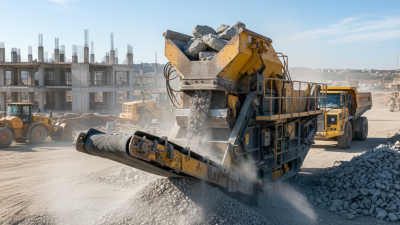
Concrete jaw crushers are essential in construction. They break down large concrete structures into manageable pieces. This process aids in recycling materials for new projects. Using these crushers enhances sustainability in construction practices.
These machines find major applications on job sites. Contractors often use them during renovation. They efficiently demolish old concrete foundations. The resulting debris can be reused as aggregate. This not only reduces waste but also saves on material costs. Additionally, jaw crushers are pivotal in creating roads and bridges. By processing concrete, they ensure these infrastructures are built to last.
While effective, challenges do exist. Maintenance can be demanding. Operators must regularly check for wear and tear. Training for personnel is crucial to ensure safety. Without proper handling, accidents may occur. Employing concrete jaw crushers requires both knowledge and responsibility. This is pivotal in optimizing performance while maintaining safety standards.
Maintenance and Care for Concrete Jaw Crushers
Concrete jaw crushers are pivotal in the demolition and recycling industries. Regular maintenance is crucial for their efficient operation. Neglecting this can lead to frequent breakdowns. In fact, studies indicate that improper maintenance can reduce equipment lifespan by 20-30%. Operators should inspect the equipment regularly to catch any potential issues early.
Daily checks on wear plates and jaws are essential. These components often suffer from wear and tear due to constant use. Replacing worn parts promptly can prevent major malfunctions. Additionally, lubrication of moving parts helps in reducing friction. Reports suggest that nearly 50% of mechanical failures stem from inadequate lubrication practices.
Moreover, cleanliness is vital. Accumulated debris can lead to overheating and reduced efficiency. Routine cleaning schedules should be established to ensure optimal performance. Implementing these best practices can significantly enhance the reliability of concrete jaw crushers. Operators must recognize that consistent care directly impacts productivity in the long run.
Concrete Jaw Crusher Performance Data
This bar chart illustrates the performance metrics of concrete jaw crushers, including crushing capacity, power consumption, and maintenance frequency. This data can help operators understand the efficiency and upkeep required for optimal functionality.