What is Granite Crusher Machine and How to Choose the Best?
The granite crusher machine plays a critical role in the construction and mining industries. With the global demand for crushed stone projected to reach 19.6 billion tons by 2027, understanding how to select the right equipment is essential. To thrive in this competitive market, businesses must comprehend the operational efficiency and output quality provided by different types of granite crushing machines.
Many suppliers claim to offer the best solutions, but it is vital to assess their reliability. According to a report by Grand View Research, the market for stone crushing equipment is expected to grow significantly. This growth demands careful evaluation of features like processing capacity, durability, and maintenance requirements. Moreover, the right granite crusher machine can significantly reduce operational costs and improve productivity.
However, not all machines deliver optimum performance. Some may lack efficiency or require frequent repairs. These issues can impact the overall project timeline and budget. Therefore, it is crucial to critically analyze various models and manufacturers before making a decision. Understanding these nuances can lead businesses to the most effective solutions in granite processing.
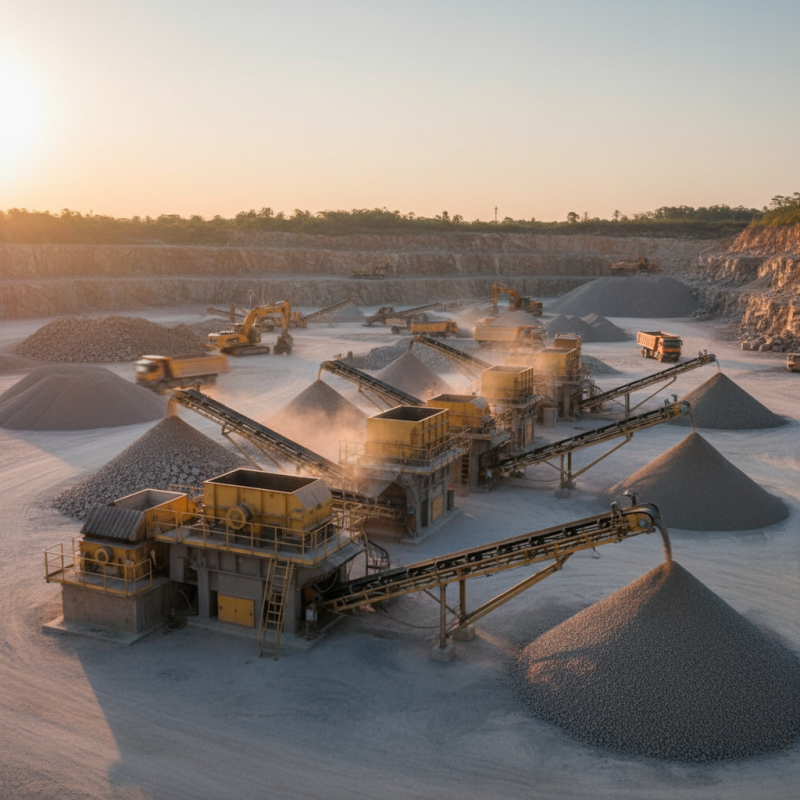
Definition of Granite Crusher Machine and Its Functionality
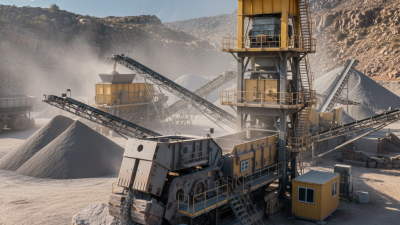
Granite crusher machines play a vital role in the mining and construction industries. They are designed to crush hard materials like granite into smaller pieces. This process is essential for producing aggregates used in concrete and road construction. The primary functionality of these machines involves breaking down large granite rocks, making them more manageable for various applications.
When choosing a granite crusher machine, it's important to consider several factors. The size and capacity of the machine can determine its efficiency. A machine too small may not handle larger rocks effectively, while one that is too large can be costly to operate. Another aspect is the mechanism of crushing. Different machines use varied methods, which can affect the final product's quality. It's crucial to research and weigh the pros and cons of each type.
Finding the right granite crusher is not always straightforward. There are many options on the market, and each has its unique strengths and weaknesses. Users often overlook maintenance requirements, which can lead to costly repairs. Understanding the operational features and the required care is crucial. Before making a decision, testing different machines can provide valuable insights. Proper evaluation and hands-on experience can significantly influence the effectiveness of your selection.
What is Granite Crusher Machine and How to Choose the Best?
| Dimension |
Value |
| Type of Crusher |
Jaw Crusher |
| Material |
Granite |
| Capacity (tons/hour) |
50-800 |
| Power Requirement (kW) |
37-750 |
| Dimensions (L x W x H, m) |
2.3 x 1.5 x 1.5 |
| Weight (kg) |
5000-20000 |
| Application |
Construction, Mining |
| Cost Range ($) |
10,000 - 100,000 |
Types of Granite Crusher Machines Available in the Market
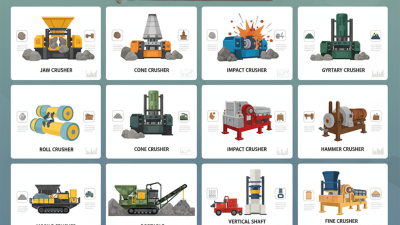
When selecting a granite crusher machine, it’s essential to understand the types available. One common type is the jaw crusher. This machine uses compressive force to break granite into smaller pieces. It is efficient for primary crushing. However, its size and weight can be a drawback in mobile applications.
Another popular option is the cone crusher. It’s designed for secondary crushing and produces finer materials. This type can handle hard materials effectively. Yet, it may require more maintenance due to its complexity. Additionally, consider impact crushers. They are ideal for producing aggregates and have a high crushing ratio. However, they might not be suitable for very hard granite.
Choosing the right machine depends on your project needs. Evaluate the production capacity and material size requirements. Budget constraints can also affect the decision. While more expensive options may offer better durability, cheaper machines might lead to higher operating costs over time. Balancing these factors is crucial for a successful selection.
Granite Crusher Machine Types and Their Performance
This bar chart represents different types of granite crusher machines and their efficiency in crushing granite, measured in tons per hour (TPH). The data showcases the average performance of various machines available in the market.
Key Features to Consider When Choosing a Granite Crusher Machine
Choosing the right granite crusher machine involves several key features that can impact performance and efficiency. One important aspect is the size of the feed opening. A larger feed opening allows larger granite blocks to be accommodated, resulting in reduced downtime for loading. According to industry reports, machines with a feed opening diameter of around 48 inches offer balanced efficiency for many quarry applications.
Another crucial feature to consider is the crushing ratio. This ratio determines how effectively the crusher breaks down granite. Machines with a high crushing ratio, often between 8:1 to 12:1, can significantly increase output. However, an overly aggressive crushing ratio may lead to excessive wear on the equipment, requiring more frequent maintenance. It's essential to balance production needs with the long-term reliability of the machinery.
Lastly, the material of construction plays a pivotal role in durability. High-carbon steel and alloy materials are preferred for their strength. However, these may come at a higher initial cost. Weight and portability should also be evaluated, especially for mobile applications. Experts suggest that weighing these features carefully can enhance decision-making. Making the right choice requires careful consideration of both immediate and long-term factors.
Factors Influencing the Performance and Efficiency of Granite Crushers
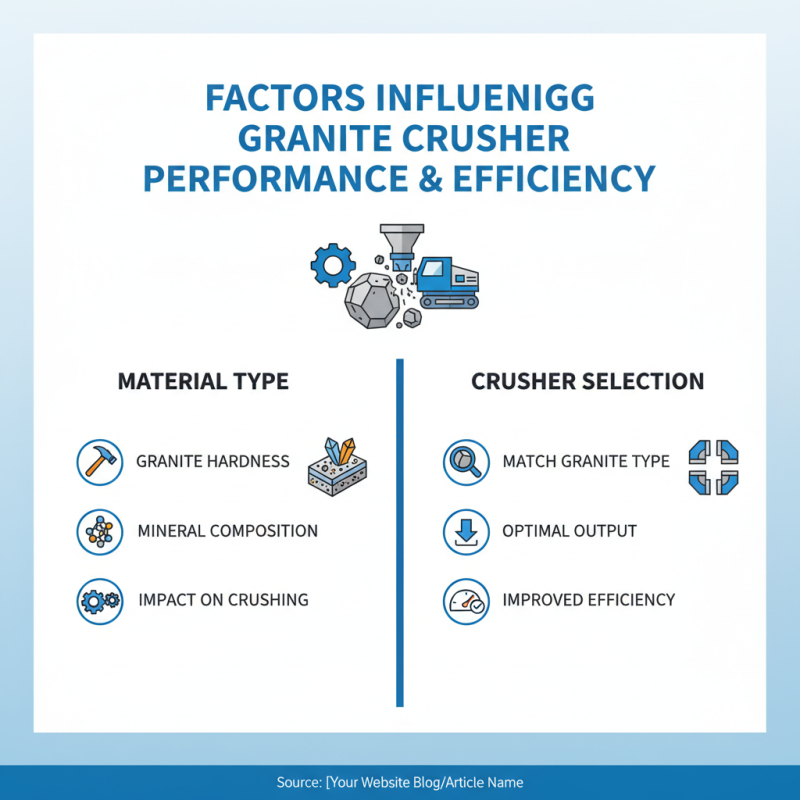
When selecting a granite crusher machine, several factors play a crucial role in performance and efficiency. The type of material processed is fundamental. Granite varies in hardness and composition, which impacts crushing. Choosing a crusher that can handle the specific granite type ensures better outcomes.
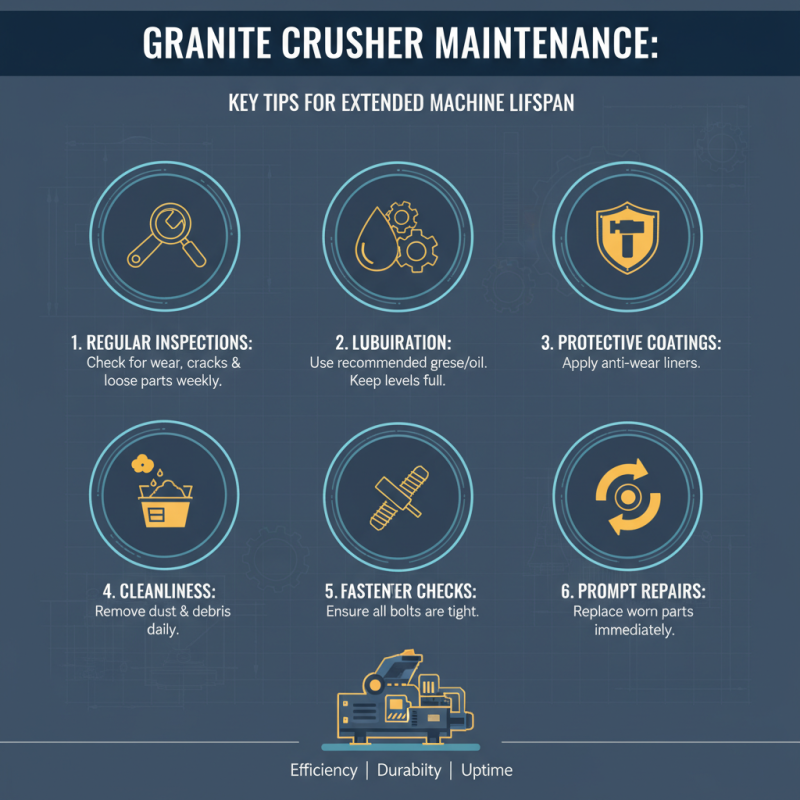
Another important aspect is the crusher's design and features. Jaw crushers and cone crushers are common choices, each with unique benefits. A machine with adjustable settings allows for greater flexibility in crushing size. Maintenance requirements cannot be overlooked, either. Regular upkeep minimizes downtime and extends machinery life.
Operator skill level also affects performance. Experienced operators can maximize the equipment’s capability. Training users is key to optimizing efficiency. Sometimes, even the best machines underperform due to a lack of knowledge. Therefore, investing in training can yield better productivity and profitability.