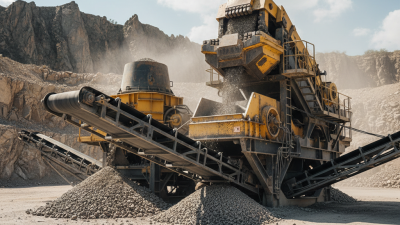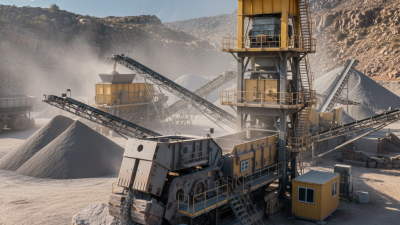
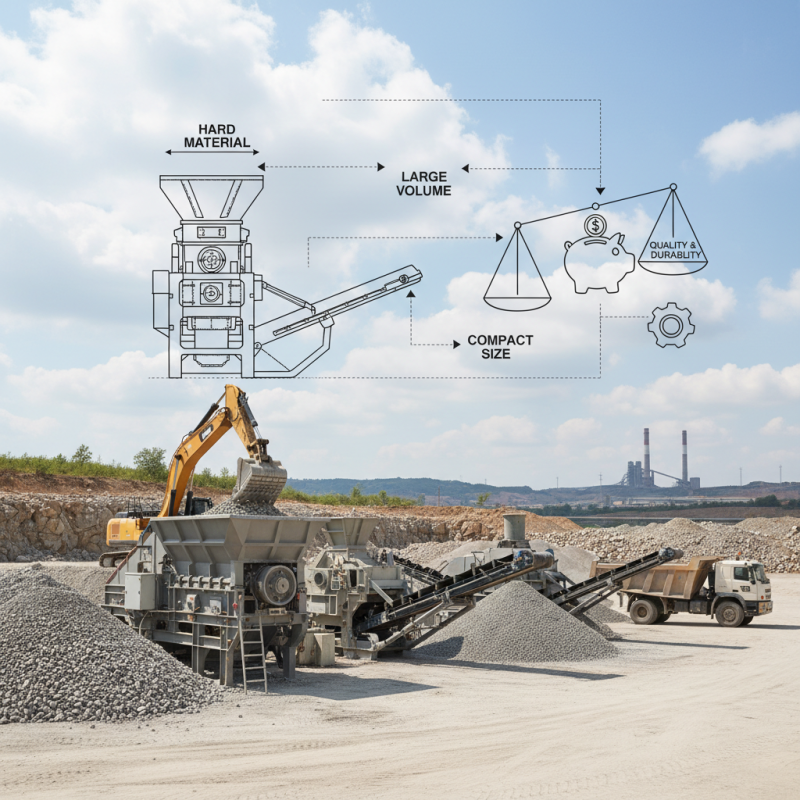
Choosing the right Stone Crusher Machine can be a daunting task. Many factors influence this decision. The type of material you plan to crush is crucial. Harder materials require sturdier machines. Meanwhile, softer materials may need less powerful options.
You should also consider the machine's processing capacity. Some machines handle large volumes, while others are designed for smaller tasks. The size and weight of a Stone Crusher Machine matter too. A compact model may fit better in limited spaces, while larger models may offer enhanced output.
Keep in mind your budget constraints. Cost-effective machines may seem appealing, but they might not last long. Quality and durability should guide your choice, even if it means spending a little more. Reflect on these considerations before making a purchase.
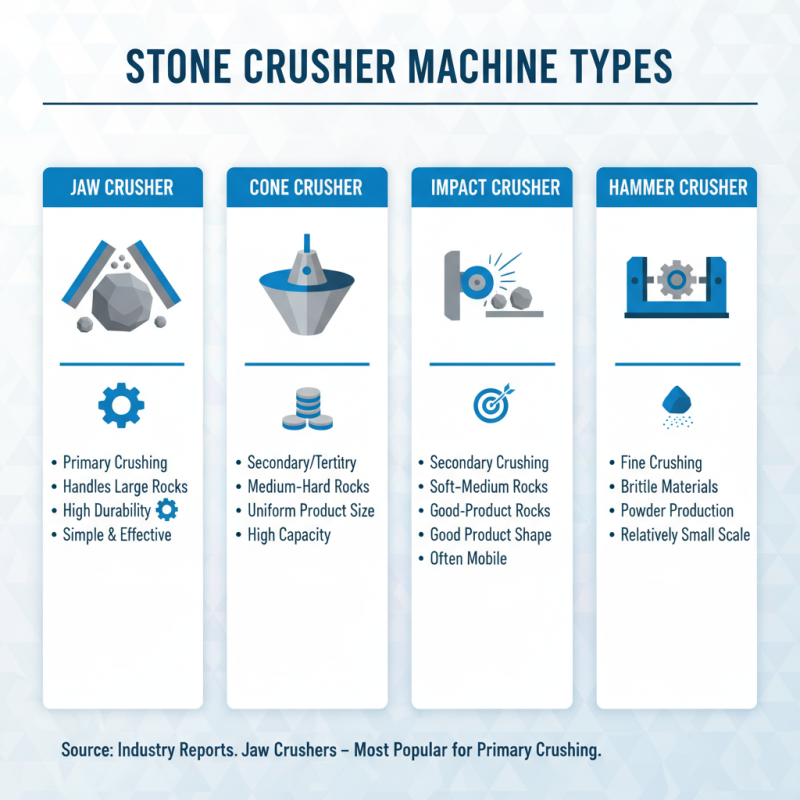
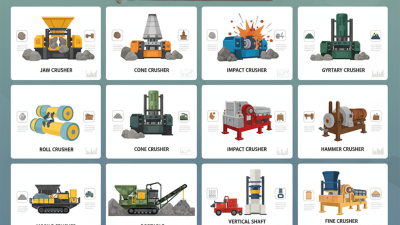
When choosing a stone crusher machine, understanding the types available is crucial. There are several primary types: jaw crushers, cone crushers, impact crushers, and hammer crushers. According to industry reports, jaw crushers are among the most popular for their simplicity and effectiveness in primary crushing. They can handle large rocks and are known for their durability.
Cone crushers are designed for secondary or tertiary crushing. They provide a finer output and are highly efficient. Recent market trends indicate that their demand has surged due to the need for high-quality aggregates in construction. Impact crushers are ideal for producing a uniform particle size. They work by using high-speed impacts to break materials. These machines are often favored for their versatility and ability to handle materials of varying hardness.
Despite these options, some challenges remain. For instance, many operators may underestimate the importance of matching the machine's specifications to the material type. It's noted that incorrect choices can lead to higher operational costs. Moreover, maintenance requirements vary by machine type, which can impact productivity. Selecting the right machine involves careful consideration of these factors, ensuring it meets specific operational needs effectively.
Choosing the right stone crusher machine can be challenging. Several key factors impact your decision. One important factor is the material type you will process. For example, granite and limestone require different crushing approaches. According to industry reports, machines can produce output sizes ranging from 1 inch to several feet. Carefully assess your material's properties to make the best choice.
Another critical consideration is the machine's capacity. Different models offer varied throughput levels. Some machines can handle 50 tons per hour, while others reach 500 tons or more. It’s crucial to match the capacity with your project's demands. Additionally, examine the energy consumption. Efficient machines can significantly reduce operational costs, making them more appealing for long-term use.
Maintenance requirements are often overlooked. Regular servicing is essential for peak performance. Some machines may also incur high wear costs. Keep in mind that a cheaper option might lead to frequent repairs. This could offset initial savings. Evaluate the total cost of ownership for a clearer picture before making a decision. The wrong choice can hinder productivity and increase expenses over time.
When selecting a stone crusher, it's essential to assess your material processing needs carefully. Different materials require different approaches. For instance, soft materials like limestone respond better to impact crushers, while harder materials may need jaw or cone crushers. Understanding the type of rock you are dealing with is crucial for optimal performance.
The size of the material plays a significant role. Larger stones may require primary crushers, while smaller sizes could be addressed by secondary crushers. Take time to measure your stones. This will help you determine the required size reduction ratio. It’s also vital to consider the feed rate. A machine that can’t handle your requirements may lead to bottlenecks and downtime.
Remember, the right stone crusher should fit your operation smoothly. You might find that what appears suitable doesn’t match your site’s conditions. Reflect on your choices. It’s easy to overlook factors like power consumption or maintenance. A machine that is efficient can save costs in the long run. Assessing your needs is not just a checklist; it’s a deeper understanding of your operation.
When selecting a stone crusher, budget constraints play a pivotal role. First, analyze initial costs, including purchase price and transportation. This is crucial for small businesses with tight budgets. A high-quality machine may seem expensive, but consider its long-term value.
Operational costs are equally important. These include maintenance, energy consumption, and part replacements. Some machines may require frequent repairs, increasing overall spending. Balancing upfront costs with ongoing expenses can be tricky.
Tip 1: Always compare several models before deciding. Look for user reviews regarding reliability and cost-effectiveness.
Tip 2: Create a spreadsheet to track expenses related to different machines. This will help clarify your options.
Some features may seem appealing but could lead to higher costs later. Reflect on your specific needs. Focus on machines that match your production volume to avoid unnecessary overspending. Finding the right balance is challenging, but it will lead to better long-term outcomes.
When selecting a stone crusher, maintenance is a crucial factor. Different models have distinct requirements. Some require frequent lubrication. Others might need more extensive parts replacement. Understanding these requirements is essential for longevity.
Regular checks for wear and tear help in maintaining performance. Replace screens and hammers as needed. Ignoring this can lead to decreased efficiency. It can also result in higher operational costs. Assess the environment where the crusher operates. Dusty conditions can accelerate wear.
Ensure you have access to spare parts. Some machines may require specialized components. This can lead to delays in repairs. Evaluate your team's ability to perform maintenance. Training may be necessary for complex systems. Neglecting maintenance can turn a robust machine into a liability. Keep a log of all maintenance activities. Regular documentation helps in tracking performance and can aid future decisions.
| Crusher Type | Application | Maintenance Frequency | Key Maintenance Tasks | Average Cost |
|---|---|---|---|---|
| Jaw Crusher | Primary crushing of hard materials | Daily | Check jaw alignment, lubricate movable parts | $15,000 - $25,000 |
| Cone Crusher | Secondary and tertiary crushing | Weekly | Inspect wear parts, check hydraulic systems | $30,000 - $50,000 |
| Impact Crusher | Crushing of materials with lower hardness | Bi-weekly | Inspect wear plates, adjust impact bars | $25,000 - $40,000 |
| Hammer Mill | Fine grinding of materials | Monthly | Check hammers, inspect screen integrity | $10,000 - $20,000 |
| Gyratory Crusher | Primary crushing for large rocks | Monthly | Lubricate main shaft, inspect dust seals | $40,000 - $70,000 |