Inquiry
Form loading...

What Is a Jaw Crusher and What Types Are Available?

A Jaw Crusher is a compression machine used to break rock and other hard materials into smaller pieces. It is common in quarries, mines, and recycling plants, often handling the first stage of size reduction. Inside the crusher, one jaw stays fixed while another moves toward it. The material is squeezed between them, then falls through the discharge opening when it is small enough. You can hear the difference between a steady crushing rhythm and the sharp clatter of oversized feed. It is not magic. Feed size, rock hardness, and machine settings all affect the result.

This guide explains the main jaw crusher designs and what distinguishes them. Common types include single-toggle and double-toggle machines, which use different mechanisms to move the swing jaw. Their motion, maintenance needs, and suitability can vary with the application. Some models are stationary, while mobile units are designed to move between work areas. “Best” depends on the material, required output, available space, and operating conditions; a type name alone cannot settle the choice. A specification sheet should be checked against the actual feed and target product size. Wear parts matter, too: jaw plates gradually change shape, and neglected wear can affect performance. The comparisons ahead offer a practical starting point, not a substitute for manufacturer guidance or site-specific assessment. Even experienced operators may need to reassess a setup when feed conditions change.
What Is a Jaw Crusher and What Types Are Available?

Jaw Crusher: Definition and Basic Operating Principle

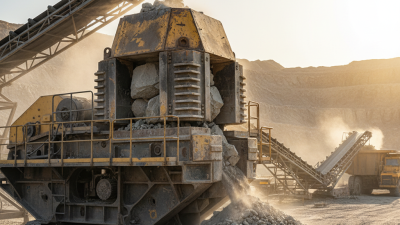
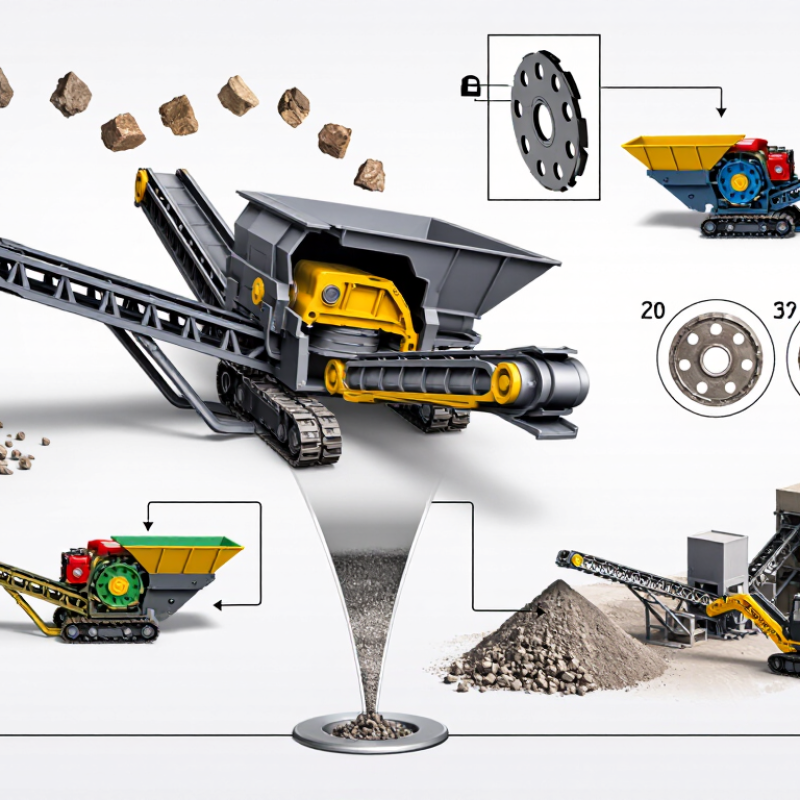
A jaw crusher is a primary crushing machine for reducing large rocks into smaller pieces. It uses two jaw plates to compress feed material. One plate stays fixed. The other moves. This motion forms a V-shaped crushing chamber. Rock enters at the top and travels downward. As the moving jaw advances, pressure fractures the material against the fixed jaw. When the jaw retracts, the crushed material drops through the discharge opening. The cycle repeats continuously.

The basic operating principle is compression, not impact. An electric motor turns a flywheel and eccentric shaft. This system drives the moving jaw through a controlled forward-and-back motion. Toggle plates transfer crushing force and support the jaw assembly. They can also provide overload protection in some designs. Adjusting the discharge opening changes the final product size. A smaller opening usually produces finer material, but it may reduce capacity.

Two common designs are single-toggle and double-toggle jaw crushers. Single-toggle models often have a simpler movement and lower machine weight. Double-toggle models may deliver steadier force for highly abrasive rock. Actual performance depends on feed size, hardness, moisture, and operator settings. Wet clay can pack the chamber. That detail is easy to underestimate. Uneven wear on the jaw plates may indicate poor feeding or incorrect settings. No crusher performs perfectly. Careful inspection, measured adjustments, and realistic production targets help prevent avoidable failures.
Main Components and How They Work Together

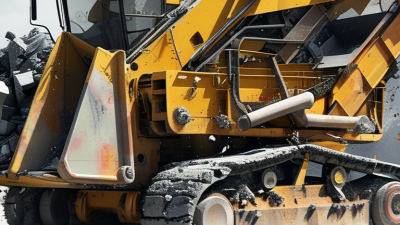
A jaw crusher reduces rock between two opposing surfaces. One jaw stays fixed. The other jaw moves in an arc. This motion creates compression, not cutting. The main frame supports the crushing chamber and absorbs heavy vibration. Inside, replaceable cheek plates protect the side walls. The fixed and movable jaw plates form the working surfaces. Their profiles influence grip, wear, and product shape. Single-toggle and double-toggle designs use similar core parts, but their movement differs. The cycle repeats.

Power reaches the crusher through an eccentric shaft. Its offset section moves the pitman, which carries the movable jaw. Flywheels store rotational energy and help smooth each crushing stroke. Bearings support the shaft and require correct lubrication. A toggle plate transfers force while acting as a safety link under severe overload. When the jaw closes, rock fractures. When it opens, material falls toward the discharge area. The gap at the bottom controls output size. Small setting changes can alter production noticeably.

In field inspections, uneven plate wear often reveals poor feeding or misalignment. A full chamber usually works better than scattered rocks, but overfeeding can choke the machine. This point is easy to underestimate. Operators should check fasteners, lubrication, jaw condition, and unusual noise before extended operation. Measurements matter more than guesswork. Still, real rock varies widely, so one setting rarely suits every site. Adjustments should follow tested procedures and the actual feed material. Not quite simple. The parts work as one system, and a weakness in one part affects the whole crushing process.

Common Types of Jaw Crushers and Their Differences

What Is a Jaw Crusher and What Types Are Available?

A jaw crusher reduces rock between a fixed jaw and a moving jaw. The moving jaw applies pressure, then releases the crushed material. In practice, feed size, rock hardness, moisture, and the closed-side setting affect performance. A practical inspection often reveals more than a catalogue number. Uneven wear may indicate poor feeding or incorrect alignment.

Common Types of Jaw Crushers and Their Differences

Single-toggle jaw crushers use one main toggle plate and usually have a lighter frame. They offer efficient movement and suit many primary crushing duties. Double-toggle jaw crushers use two toggle plates and a heavier structure. They handle highly abrasive rock well, but often require more space and maintenance. Blake-style crushers have a fixed feed position and a moving discharge area. Universal-style designs move near both openings, which changes their crushing pattern. Mobile jaw crushers add tracks or wheels for flexible site work. No design is perfect. Selection depends on the material and operating conditions.

Tips: Keep the feed evenly distributed across the chamber. Avoid oversized pieces that bridge the opening. Check jaw plate profiles, discharge settings, bearings, and toggle components regularly. Measure product size instead of relying only on appearance. A small setting change can increase fines and energy use. Safety procedures and the equipment manual should guide every adjustment.

What Is a Jaw Crusher and What Types Are Available? — Common Types of Jaw Crushers and Their Differences
Type Basic Design Jaw Motion and Discharge Typical Characteristics Common Uses
Single-toggle jaw crusher A single toggle plate links the movable jaw to the crusher frame. The eccentric shaft drives the movable jaw. The movable jaw follows an elliptical path, combining compression with some sliding movement. The discharge opening is adjustable. Usually has a relatively simple, compact design with fewer moving parts. Sliding action can increase wear on jaw plates. Widely used for primary crushing in quarries, mines, and recycling operations.
Double-toggle jaw crusher Two toggle plates transmit motion from the pitman to the movable jaw. The jaw moves mainly in a rocking motion. The discharge opening can be adjusted to control product size. Often has a heavier, more complex mechanism than a single-toggle design. Its motion can limit sliding along the jaw plates. Used for primary crushing, including applications involving hard or abrasive rock.
Blake-type jaw crusher A kinematic arrangement in which the movable jaw is pivoted at the top. The feed opening remains comparatively stable while the jaw moves; the crushing movement is greatest near the lower part of the chamber. “Blake” describes the jaw-pivot arrangement, not whether the crusher uses one or two toggle plates. A common jaw-crusher arrangement for primary crushing.
Dodge-type jaw crusher The movable jaw is pivoted at the bottom of the crushing chamber. The discharge opening is comparatively fixed, while the feed opening changes as the jaw moves. Material can be more prone to packing near the discharge, so this arrangement is less common for high-throughput industrial crushing. More often associated with small-scale or laboratory applications than with large production plants.
Universal-type jaw crusher The jaw pivot is positioned between the top and bottom of the movable jaw. Both the feed and discharge openings change during the jaw’s movement. A less common kinematic arrangement; “universal” describes the pivot position rather than a specific toggle count. Found in some specialized or older crusher designs.
How the classifications relate: Single-toggle and double-toggle describe the drive mechanism; Blake, Dodge, and Universal describe the movable jaw’s pivot position. These are different ways of classifying jaw crushers and should not be treated as mutually exclusive categories.

Key Applications Across Mining and Aggregate Industries

What Is a Jaw Crusher and What Types Are Available?

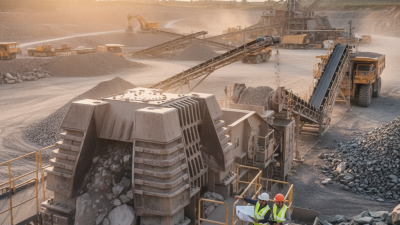
Jaw crushers reduce rock between a fixed jaw and a moving jaw. They are common in mining, quarrying, and aggregate production. The U.S. Geological Survey reported nearly 1.9 billion metric tons of crushed stone produced in the United States in 2023. That scale shows why dependable primary crushing remains important. In practice, jaw crushers handle blasted granite, limestone, recycled concrete, and hard ore before secondary processing.

Single-toggle designs usually offer simpler construction and lower weight. They suit many quarry and recycling duties. Double-toggle models can manage harder, abrasive feed with a more forceful crushing action. Mobile jaw crushers support road projects and temporary mine sites. Stationary units fit long-term plants with predictable material flow. The best choice depends on feed size, moisture, abrasiveness, required capacity, and maintenance access. The answer is rarely obvious.

Tips:

Check the feed gradation before selecting a machine. Oversized rock can cause blockages and uneven wear. Keep the crushing chamber properly fed, but avoid overloading it. The U.S. Geological Survey’s Mineral Commodity Summaries 2024 also recorded about 960 million metric tons of construction sand and gravel produced in 2023. This demand supports flexible crushing circuits, especially near infrastructure projects. However, production figures do not guarantee site profitability. Energy use, haul distance, liner life, and operator skill can change the result. A crusher that looks efficient on paper may perform poorly in wet, sticky material.

Factors to Consider When Selecting a Jaw Crusher

What Is a Jaw Crusher and What Types Are Available?

Factors to Consider When Selecting a Jaw Crusher

A jaw crusher reduces rock between a fixed plate and a moving plate. Common designs include single-toggle and double-toggle models. Single-toggle units usually offer a simpler structure and lower weight. Double-toggle units can tolerate harder, abrasive feed more effectively. Mobile versions add flexibility when crushing locations change.

Selection should begin with feed size, rock hardness, moisture, and required output. A crusher receiving oversized boulders may suffer blockages and uneven wear. Measure the largest feed piece, not the average one. The U.S. Geological Survey reported approximately 1.5 billion metric tons of crushed stone production in the United States in 2023. That scale shows why small efficiency differences can affect major operating costs.

Check capacity at the actual closed-side setting. Published capacity often changes with material shape and moisture. Energy demand, maintenance access, liner life, and dust-control arrangements also deserve attention. A field engineer should inspect discharge conveyors and service clearances before purchase. They are easy to overlook. One common mistake is choosing maximum capacity instead of stable capacity. A slightly smaller crusher may perform better when feed is irregular. ISO 21873 provides useful requirements for mobile crushing equipment, but site conditions still require practical verification. No calculation replaces a controlled trial with representative rock.

What Is a Jaw Crusher and What Types Are Available?

Jaw crushers use two plates to compress rock. Single-toggle and double-toggle designs are common types; the right choice depends on feed size, required capacity, product size, and operating conditions.

Representative Jaw Crusher Feed-Opening Widths

The chart shows example nominal opening widths for common jaw-crusher size classes, not a performance ranking. Actual dimensions vary by design. Check the feed opening against the largest expected rock, and consider capacity, closed-side setting, material abrasiveness, and maintenance needs before selecting a crusher.