What is a Primary Jaw Crusher and How Does It Work?
The Primary Jaw Crusher is a vital piece of machinery in the mining and construction industries. It plays a key role in the initial stages of material processing. This equipment specializes in breaking down large rocks into manageable sizes. Understanding its function helps operators optimize performance.
These crushers use compressive force to crush materials. The movable jaw exerts pressure on the stationary jaw, reducing rock size. A well-maintained Primary Jaw Crusher can significantly increase productivity. However, operational errors can lead to inefficiencies. Regular inspections and proper training are essential for success.
In summary, while the Primary Jaw Crusher is crucial for material handling, challenges remain. Awareness of potential issues can improve reliability. Learning about its mechanics empowers users to make informed decisions. Proper knowledge ensures these machines operate effectively and efficiently.
What is a Primary Jaw Crusher?
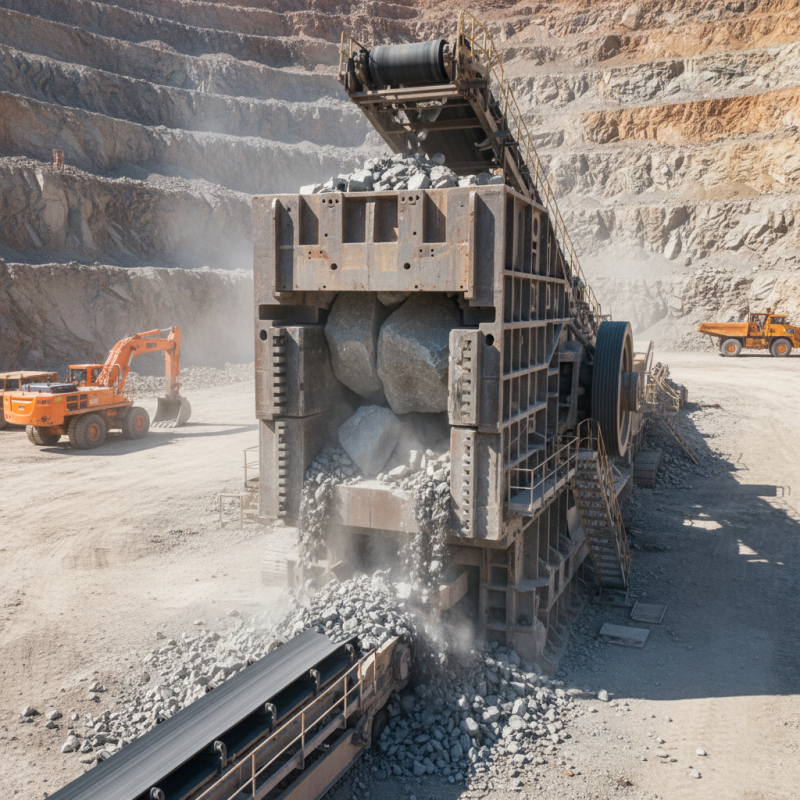
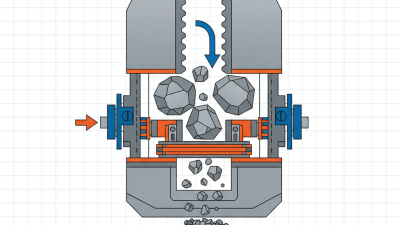
A primary jaw crusher is a heavy-duty machine used in the mining and construction industries. It crushes large rocks and boulders into smaller, more manageable pieces. The jaw crusher operates by using a pair of opposing jaws that compress the material. As the material enters, it is subjected to crushing force, effectively breaking it down. The crushed material is then discharged from the bottom of the machine.
Understanding how the primary jaw crusher works is crucial for operators. Proper operation ensures efficiency and reduces wear. Regular maintenance is key. Operators should check parts like the jaws and bearings regularly. This prevents unexpected breakdowns. Make sure the crusher is properly lubricated to enhance performance.
Tips: Always wear safety gear when operating heavy machinery. Stay aware of your surroundings. Ensure the area is clear of unnecessary personnel. This not only protects you but also minimizes risks related to equipment malfunction. When dealing with heavy materials, be cautious about the potential for injury. Respect the machine’s capability and limitations. Aiming for safety increases work efficiency and promotes a healthier work environment.
Primary Jaw Crusher Performance Metrics
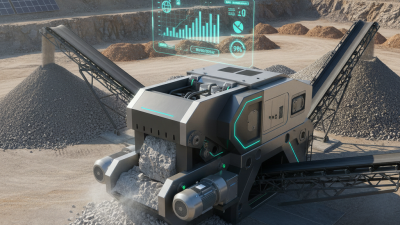
This chart illustrates the performance metrics of a primary jaw crusher. The throughput indicates the amount of material processed per hour, size reduction shows the effectiveness at crushing material, and power consumption reflects the energy used during operation.
Key Components of a Primary Jaw Crusher
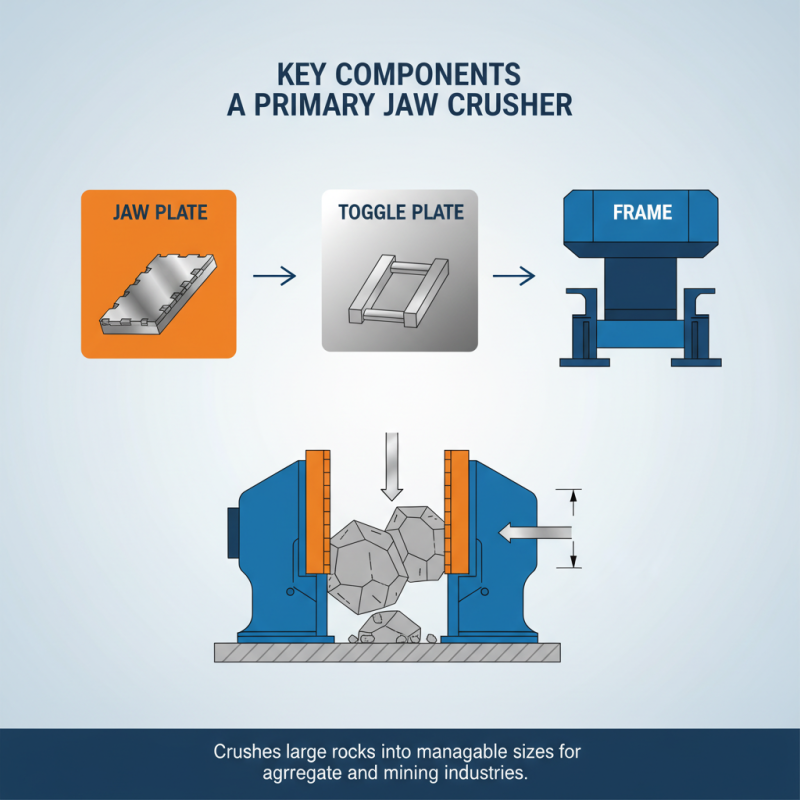
A primary jaw crusher is a vital piece of equipment in the aggregate and mining industries. It consists of several key components that work together to crush large rocks into manageable sizes. The most critical parts include the jaw plate, toggle plate, and the frame.
The jaw plate, made of wear-resistant material, directly impacts the effectiveness of crushing. Its design allows for a strong grip on the material. Reports indicate that a well-maintained jaw plate can enhance the crushing efficiency by over 20%. Meanwhile, the toggle plate serves as a safety mechanism, absorbing shock loads. This component protects the crusher from damage during operation. Industry data suggests that toggle plate failure occurs in approximately 5% of jaw crusher malfunctions.
The frame of the primary jaw crusher provides stability and structural integrity. A robust frame is crucial for long-term operation. However, not all frames are designed equally. Some may suffer from wear and tear, leading to operational inefficiencies. In fact, around 10% of crusher downtime can be attributed to frame-related issues. A thorough understanding of these components and regular maintenance can significantly optimize the performance of primary jaw crushers.
How a Primary Jaw Crusher Operates
A primary jaw crusher is essential in the aggregate and mining industries. It crushes large rocks into smaller particles. This machine operates on the principle of compression. A set of jaws moves in a circular motion to press materials between them. The movement creates fractures, breaking down the rock.
When the primary jaw crusher is in operation, it uses gravity to feed materials into the chamber. The rocks settle in between the jaws. As the upper jaw moves down, it crushes the rocks against the lower jaw. This cycle repeats, producing consistent output. The size of the output is adjustable, allowing for various applications.
While effective, the operation requires careful monitoring. Overloading the jaw crusher can lead to mechanical failures. Routine maintenance is crucial for reliability. Operators must train to recognize signs of wear. This attention ensures the machine continues to function optimally, minimizing downtime and costly repairs.
Applications of Primary Jaw Crushers
Primary jaw crushers are essential equipment in various industries, primarily for mining and construction. These machines help break down large rocks and materials into manageable sizes. According to industry reports, over 70% of mining operations utilize this technology. Their robust design ensures they can handle the heavy demands of mining and aggregate production.
These crushers are widely used in quarries, gravel pits, and recycling plants. They play a crucial role in processing materials like granite, limestone, and concrete. In fact, a recent study noted that primary jaw crushers contribute to approximately 60% of the total production of crushed aggregates. The efficiency and reliability of these machines make them a top choice for operators.
Tips: Regular maintenance is crucial for optimal performance. Check for wear on the crushing plates frequently. Additionally, operators should ensure proper feed size to enhance efficiency and reduce wear on components. Understanding the limitations of your primary jaw crusher can lead to better decisions and improved production outcomes.
Benefits of Using a Primary Jaw Crusher
A primary jaw crusher is crucial in the mining and construction industries. It efficiently breaks down large rocks into manageable pieces. This machine's design allows for a steady flow of material, ensuring that operations run smoothly. However, selecting the right crusher can be challenging.
Using a primary jaw crusher presents several benefits. It is known for its robust design and durability. The crushing process is straightforward, which often leads to less downtime. Additionally, it requires less maintenance compared to other types of crushers. Many operators appreciate its ability to produce consistent, high-quality aggregates. Yet, understanding the right application is necessary to maximize efficiency.
While primary jaw crushers offer many advantages, they also have limitations. For example, they may struggle with very hard materials. Regular maintenance is essential to keep the machine operating efficiently. Improper usage can lead to significant wear and tear. In some cases, the initial investment can be daunting for smaller operations. Evaluating your specific needs can lead to better decision-making.