Top 10 Primary Jaw Crushers Buyers Need to Know?
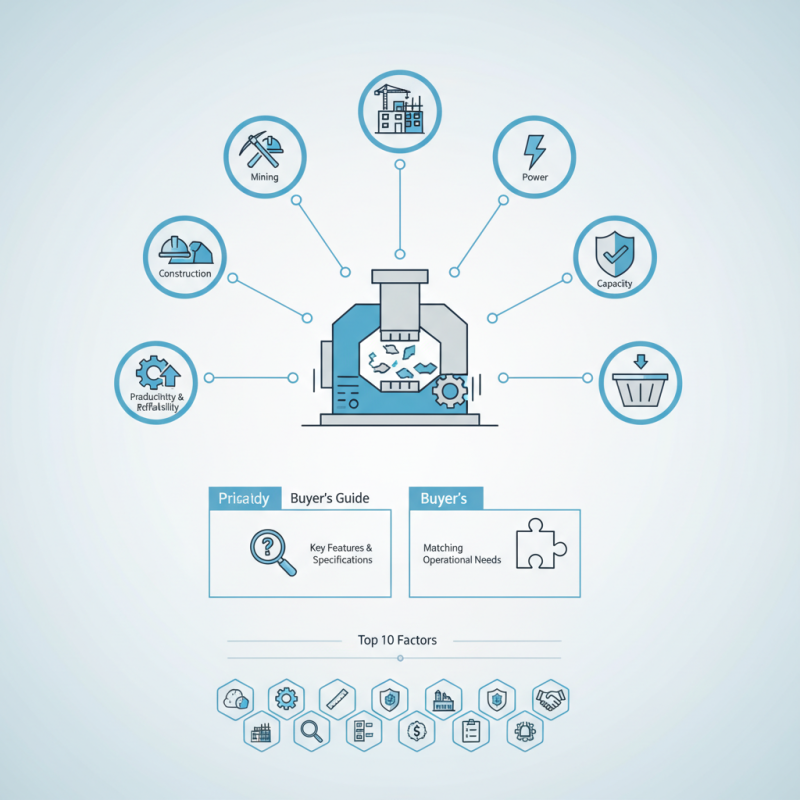
When it comes to choosing a Primary Jaw Crusher, understanding key features and specifications is essential. This equipment serves a vital role in various industries, from mining to construction, facilitating material size reduction. Buyers need to be informed as they navigate the market, ensuring they select the best fit for their specific applications.
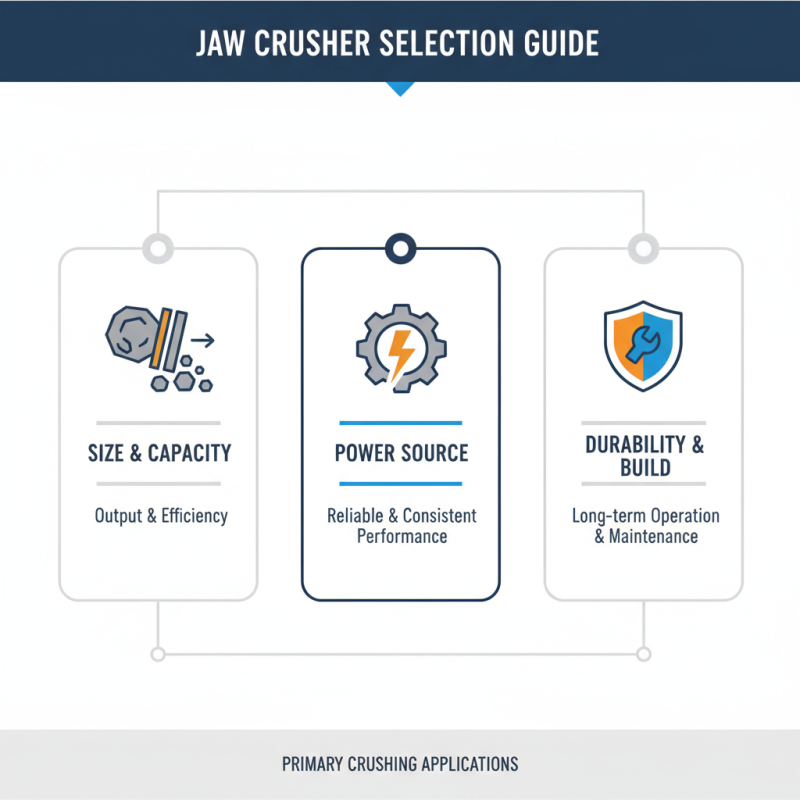
Primary Jaw Crushers are not a one-size-fits-all solution. Different models offer various benefits, affecting productivity and efficiency. Factors such as power, capacity, and durability must be considered. Each buyer’s needs may differ, making it crucial to align choices with operational requirements. Failing to understand these aspects can lead to dissatisfaction.
With numerous options available, identifying the top contenders can seem overwhelming. Trustworthy brands often balance performance with reliability. Scrutinizing each choice can reveal strengths and weaknesses. Ultimately, making an informed decision relies on comprehensive knowledge about Primary Jaw Crushers and their operational roles.
Understanding Primary Jaw Crushers: An Overview
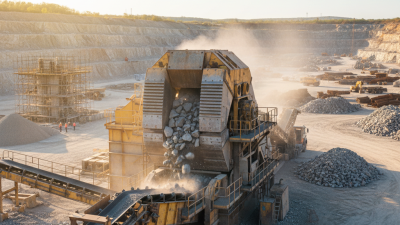
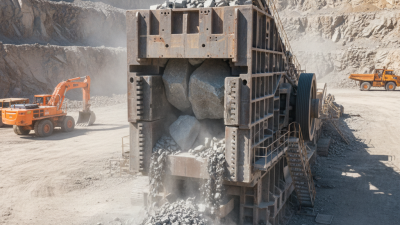
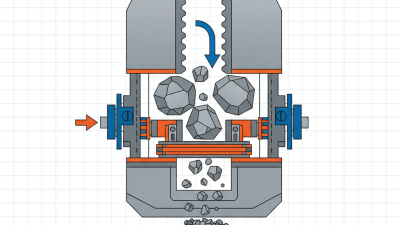
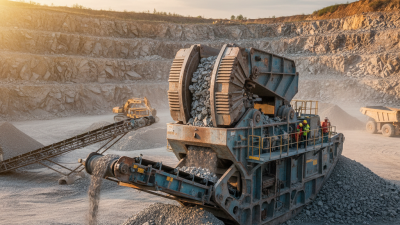
Primary jaw crushers play a crucial role in the mining and construction industries. These machines are designed to break down large rocks into smaller, manageable pieces. They typically consist of a fixed jaw and a movable jaw, which work together to crush materials. Understanding their function and features is essential for buyers aiming to make informed decisions.
These crushers come in various sizes and capabilities. Choosing the right model depends on several factors. Buyers should consider the type of material, the expected volume, and desired output size. Often, the specifics can be overwhelming. Dimensions vary, and performance can differ even in similar models. It's important to reflect on these details before making a final choice.
Maintenance requirements are another critical aspect. Regular checks can prolong the life of the machine. However, some users may overlook this. Issues can arise from neglect, affecting performance and productivity. Understanding common wear parts is vital. This knowledge can help buyers anticipate replacement needs and avoid costly downtime.
Top Brands and Their Market Reputation in Jaw Crushers
When evaluating primary jaw crushers, understanding the brand reputation is critical. Industry reports highlight that over 60% of buyers prioritize brand reliability when making purchase decisions. Brands that have maintained a strong market presence for years often exhibit higher customer satisfaction rates. For example, a recent survey revealed that certain established manufacturers achieved an 85% rating in performance reliability.
It's essential to consider not just performance but also service support. Brands with a robust service network tend to build a loyal customer base. According to a 2022 market analysis, companies offering comprehensive after-sales service gained a competitive edge. However, some new entrants struggle to match this level of support, which can lead to mixed reviews in customer experiences.
Further, the cost versus value ratio presents another layer of complexity. High-priced models are not always the best-performing options. Some budget-friendly jaw crushers have shown surprising effectiveness. Reports indicate that these models often meet essential industry standards without compromising quality. Yet, a few users reported early maintenance issues, prompting potential buyers to weigh their options carefully.
Comparative Analysis of Jaw Crusher Models and Specifications
When examining jaw crushers, understanding models and specifications is crucial. Different crushers serve unique needs. Factors like feed size and output capacity significantly impact performance. A good grasp of these features optimizes operational efficiency.
Tip: Always assess your specific requirements before making a purchase. Consider the hardness of the materials you will crush. The more challenging the material, the more robust the machine should be.
Many models feature adjustable settings. This flexibility allows for adaptation to varying material types. However, one must weigh the benefits against potential complexity in operation. An overly complicated system might hinder performance rather than enhance it.
Tip: Regular maintenance is key. It prevents unexpected breakdowns and ensures longevity. Proper lubrication and timely inspections do wonders.
Ultimately, a well-informed choice leads to better productivity and cost savings. Investing time into understanding each model's specifics pays off. A knowledgeable buyer can judge the practical versus the theoretical capabilities of the machines available.
Common Mistakes Buyers Make When Purchasing Jaw Crushers
When purchasing a primary jaw crusher, buyers often overlook key details. One common mistake involves ignoring the machine's capacity. Many fail to assess their operational needs. Without understanding how much material will be processed, choosing the right model can lead to inefficiencies. Buyers should evaluate their workload and select accordingly.
Another frequent error is neglecting maintenance costs. Some buyers focus solely on the initial price. However, the long-term expenses can significantly impact overall profitability. Investing in a durable model may seem expensive upfront, but it could save money in the future through reduced repairs and downtimes.
Buyers should also consider the support and training offered by manufacturers. Many underestimate the importance of after-sales service. A crusher can’t operate efficiently without proper guidance and support. It’s crucial to ensure that technical assistance is readily available. Skipping this step can result in operational setbacks.