Inquiry
Form loading...

China Top Rock Crushers for Global Buyers

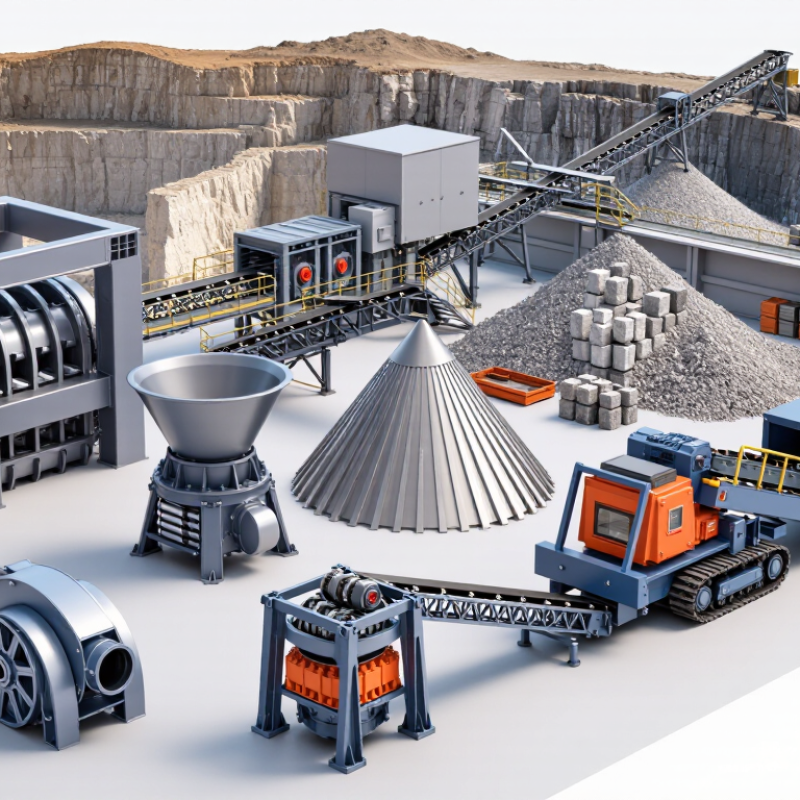
For global buyers, choosing reliable Rock Crushers from China requires more than comparing prices. It demands careful attention to crushing capacity, material hardness, energy use, maintenance access, and after-sales support. Chinese manufacturers now supply jaw crushers, cone crushers, impact crushers, and mobile systems for quarries, construction sites, and recycling projects.

Real operating conditions matter. A limestone quarry may need a different machine from a granite site. Moisture, feed size, output requirements, and seasonal temperatures can change equipment performance. Experienced buyers often request test reports, production videos, component brands, and detailed technical drawings before placing an order. A clear inspection process also helps verify welding quality, wear parts, safety guards, and control systems.

Details make the difference.

Many Chinese suppliers offer competitive customization, including diesel-electric options, modular layouts, and remote monitoring. However, not every catalog specification reflects field performance. This point deserves honest attention. Some delivery estimates may appear optimistic, while spare-parts availability can vary by region. Buyers should confirm warranty terms, installation assistance, operator training, and maintenance response times in writing.

This guide introduces leading Chinese Rock Crushers for international markets. It focuses on practical selection rather than impressive claims. Product comparisons should consider verified test data, applicable safety requirements, and the supplier’s project experience. Independent inspections and reference checks remain valuable, especially for large investments. A crusher is not merely a machine; it becomes part of a production system. Choosing well can improve output, reduce downtime, and support safer, more predictable operations.
China Top Rock Crushers for Global Buyers

What Are Rock Crushers and Why China Serves Global Buyers

Rock crushers are heavy machines that reduce stone into usable sizes for construction, road base, and aggregate production. A jaw crusher applies strong pressure between two plates. Cone crushers use compression for finer, more consistent material. Impact crushers break stone with rapid force and suit controlled shaping.

China serves global buyers through a broad manufacturing ecosystem. Foundries, machining workshops, motor suppliers, and control-system producers often operate within connected supply chains. This structure can support customized feed openings, discharge sizes, and electrical configurations. Buyers may also find practical export support, including spare-parts packing, installation guidance, and equipment documentation.

The real value depends on verification. Ask for material certificates, test records, wear-part specifications, and clear maintenance schedules. A factory inspection can reveal machining quality, weld consistency, and assembly discipline. Feed size matters. Moisture changes performance. A crusher that looks powerful may still struggle with sticky stone or irregular feeding. That assumption can fail.

Experienced buyers compare total operating cost, not only the purchase price. They review energy use, replacement intervals, local service access, and delivery conditions. Some suppliers provide detailed answers; others remain vague. That difference matters. No selection guide is perfect, and project conditions can change after installation. Careful testing and honest technical communication remain essential.
Main Types of Rock Crushers Made in China

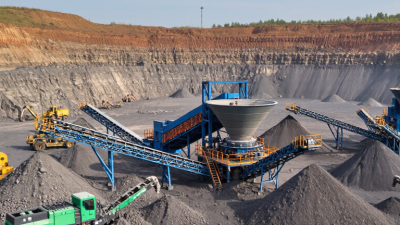
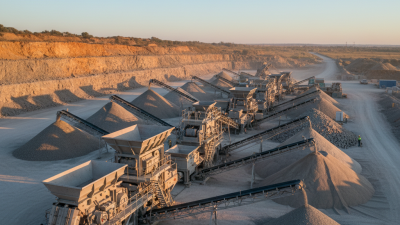
Chinese manufacturers produce several rock crusher types for different feed sizes, rock strengths, and final products. Jaw crushers use a fixed and moving plate to break large blasted stone. They are common at primary crushing stages and suit granite, limestone, and recycled aggregates. Their simple structure supports easier maintenance, but the discharge setting needs regular measurement. A few millimeters can change product grading.

Cone crushers handle secondary and tertiary work. They compress stone between a rotating mantle and a bowl liner. They usually deliver consistent cubic material from hard rock. However, wet or sticky feed can reduce efficiency and cause blockages. Operators should check chamber selection, lubrication, and liner wear before purchase. Impact crushers use high-speed rotors and blow bars. They can produce well-shaped aggregates from softer stone and controlled feed. Hammer crushers offer strong reduction for brittle limestone, but abrasive rock can increase wear sharply. Gyratory crushers serve very large operations, although their cost and installation demands limit some projects. Mobile jaw and impact units add flexibility, but transport weight matters.

Reliable buying decisions depend on more than catalog capacity. Ask for test data, motor details, spare-part drawings, safety guards, and service response times. A practical trial should measure feed moisture, output size, power use, and downtime. I have found that estimated capacity can look impressive before real rock enters the chamber. That is where careful questions matter. Chinese equipment varies by factory, so inspection records and clear acceptance terms deserve attention.

How to Match a Crusher with Your Material and Capacity

China Top Rock Crushers for Global Buyers

How to Match a Crusher with Your Material and Capacity

Choosing a crusher should begin with the material, not the machine’s appearance. Granite, basalt, limestone, and recycled concrete behave differently under pressure. Hard stone often needs a jaw crusher for primary reduction, followed by a cone crusher for shaping. Softer limestone may suit an impact crusher, especially when a cubical product is important. Check feed size, moisture, abrasiveness, and the required output before requesting quotations. A crusher rated for 100 tons per hour may produce less with wet, sticky feed.

Capacity figures need careful reading. Ask whether the stated capacity applies to your actual material and discharge setting. A narrow setting can improve product size but reduce throughput. In field testing, uneven feeding has caused more trouble than expected. It creates surges, idle time, and inconsistent grain sizes. I once underestimated moisture during planning. The machine was suitable, but the feeding arrangement was not. That mistake changed the production schedule.

Tips: Send representative material samples when possible. Share target sizes, daily operating hours, and feed dimensions. Request a test report, wear-part details, power requirements, and maintenance access. Leave some capacity margin for harder rock or seasonal moisture. Do not choose only by the lowest price. A cheaper unit can become expensive when liners, downtime, and transport delays are included. Confirm technical drawings and local service capability before placing an order.

Key Features to Evaluate Before Choosing a Chinese Manufacturer

China Top Rock Crushers for Global Buyers

Key Features to Evaluate Before Choosing a Chinese Manufacturer

A reliable crusher manufacturer should explain capacity, feed size, discharge range, and material hardness clearly. Ask for test results using rock similar to your own quarry material. Limestone and granite can produce very different wear patterns. Request photos of the crushing chamber, drive system, and finished installation. Details matter.

Factory experience is visible in practical records, not only in a polished showroom. Review production procedures, welding quality, inspection reports, and spare-parts availability. Check whether critical components have clear specifications and replacement schedules. A short video call from the workshop can reveal more than a long brochure. Still, remote evidence has limits.

Look closely at after-sales support. Confirm response times, installation guidance, training, warranty terms, and technical documents in usable English. Ask how quickly wear plates, bearings, and belts can be supplied to your location. Freight, customs handling, energy use, and maintenance may change the real purchase cost. Cheap equipment can become expensive.

Request references from operations with similar output requirements. Speak with the operators, not only the sales team. No supplier is perfect. A manufacturer that openly discusses design limits may be more dependable than one promising everything. Before payment, match every agreed specification with the final contract, drawings, and inspection plan. Small wording differences can create large problems.

China Top Rock Crushers for Global Buyers - Key Features to Evaluate Before Choosing a Chinese Manufacturer
Crusher Type Primary Application Typical Feed Size Typical Product Size Common Capacity Range Key Features to Evaluate Best Material Conditions Important Buyer Checks
Jaw Crusher Primary crushing of blasted rock and large aggregates Approximately 400–1,200 mm, depending on the model and feed opening Usually 50–300 mm after primary reduction Approximately 50–1,500 t/h Large feed opening, strong frame, adjustable discharge setting, replaceable jaw plates, hydraulic or mechanical overload protection Check jaw-plate material, eccentric shaft design, bearing protection, CSS adjustment method, and ease of liner replacement
Cone Crusher Secondary, tertiary, or quaternary crushing for controlled aggregate production Approximately 35–300 mm, depending on the chamber configuration Commonly 5–75 mm; can produce a well-shaped, cubical product when correctly configured Approximately 50–1,200 t/h Consistent chamber geometry, hydraulic setting adjustment, tramp-release protection, automatic lubrication, and cavity options for different reduction ratios Evaluate liner life, minimum closed-side setting, hydraulic power unit, lubrication safeguards, spare-parts availability, and product gradation data
Impact Crusher Secondary or tertiary crushing where high reduction and good particle shape are required Approximately 100–800 mm, depending on rotor size and design Commonly 10–80 mm, with a relatively high proportion of cubical particles Approximately 50–800 t/h High-speed rotor, impact plates, adjustable apron settings, access doors, and wear-resistant blow bars Medium-hard limestone, dolomite, gypsum, asphalt recycling, and selected recycled concrete Confirm material abrasiveness and moisture. Very hard, highly abrasive rock can increase blow-bar and impact-liner consumption
Vertical Shaft Impact Crusher Fine crushing, shaping, manufactured sand, and cubical aggregate production Usually below 50 mm, depending on the feed arrangement Typically below 10 mm, with adjustable fines content Approximately 30–600 t/h Rock-on-rock or rock-on-steel configuration, rotor speed adjustment, cascade control, and replaceable wear parts Crushed stone, gravel, glass, slag, and materials requiring particle shaping Review rotor balance, sand production curve, operating power, wear-part consumption, dust-control requirements, and feed-size limits
Hammer Crusher Single-stage crushing and fine reduction of relatively soft to medium-hard materials Approximately 100–600 mm, depending on the feed opening Commonly below 25 mm, subject to grate or discharge-gap design Approximately 10–300 t/h High reduction ratio, replaceable hammers, grate-bar configuration, inspection doors, and overload protection Limestone, marl, coal, gypsum, shale, and other materials with moderate compressive strength Confirm maximum material compressive strength, moisture level, tramp-metal protection, hammer life, and the required final product grading
Gyratory Crusher High-capacity primary crushing in large mines and major aggregate plants Often above 500 mm and potentially more than 1,000 mm on large installations Usually 100–300 mm after primary crushing Approximately 1,000–10,000+ t/h for large-scale installations Very high throughput, continuous crushing action, large crushing chamber, hydraulic setting control, and robust main-shaft support Assess foundation requirements, installation complexity, power demand, maintenance access, main-shaft handling, and long-term service support
Mobile Jaw Crusher Primary crushing at multiple quarry, construction, demolition, and recycling locations Approximately 400–1,000 mm, depending on the mobile chassis and crusher model Usually 50–250 mm Approximately 50–600 t/h Tracked or wheeled mobility, integrated feeder, compact transport dimensions, remote control, dust suppression, and rapid site setup Rock, recycled concrete, demolition waste, and construction materials Check transport weight, maximum climbing angle, fuel or electric power system, conveyor layout, safety guarding, and local road regulations
Mobile Cone Crusher Mobile secondary or tertiary production of high-quality aggregates Approximately 35–250 mm Commonly 6–75 mm Approximately 80–500 t/h Integrated cone unit, onboard screening options, hydraulic adjustment, tracked mobility, automated process control, and closed-circuit operation Hard and abrasive rock, recycled aggregates, and multi-stage quarry applications Verify output gradation under closed-circuit operation, liner replacement time, transport dimensions, engine emissions, and remote diagnostics
Screening Plant Separating crushed material into defined product fractions Feed size is commonly below 200 mm, depending on screen design Separated fractions may include 0–5 mm, 5–10 mm, 10–20 mm, and larger sizes Approximately 50–1,000 t/h Screen-deck area, vibration system, screen-media options, spray bars, adjustable inclination, and oversize recirculation capability Aggregates, sand, soil, minerals, recycled concrete, and industrial materials Check screening efficiency, moisture tolerance, media replacement cost, bearing protection, deck access, and compatibility with the selected crusher
Evaluation note: Capacity, feed size, product size, power demand, and wear life vary with material hardness, moisture, feed gradation, chamber configuration, closed-side setting, and plant layout. Before selecting a Chinese manufacturer, request a complete technical proposal, process-flow diagram, wear-part specification, factory inspection plan, spare-parts list, installation scope, warranty terms, and verified test results for material comparable to your own.

Purchasing, Inspection, and Importing Rock Crushers from China

China Top Rock Crushers for Global Buyers

Purchasing a rock crusher from China requires more than comparing quoted prices. The USGS Mineral Commodity Summaries 2024 estimated U.S. crushed-stone production at about 1.5 billion metric tons in 2023. That volume shows why reliability, maintenance access, and consistent output matter. Ask suppliers for capacity data under your actual feed size, rock hardness, moisture, and discharge target. A catalog number alone is weak evidence.

Request drawings, motor specifications, wear-part grades, packing photographs, and a factory acceptance test. During inspection, measure the feed opening, rotor or jaw clearance, weld quality, bearing temperature, vibration, and hourly output. Use calibrated instruments where possible. Independent inspectors can verify results before shipment. Still, one short test may not represent a full quarry shift.

That is the uncomfortable part.

For importing, confirm the HS classification with a licensed customs broker. Crushing machinery is commonly associated with HS 847420, but classification can vary by design and jurisdiction. Check duties, electrical requirements, safety documents, origin paperwork, and local conformity rules before payment. UN Comtrade data can help compare trade flows, although its categories may combine different machine types. Specify Incoterms, container dimensions, insurance responsibility, spare-part quantities, and port charges in writing.

Leave room for mistakes. A missing bearing or unclear warranty can delay production for weeks.