Top 10 Rock Crushers You Need to Know About?
Rock crushers are essential in the aggregate industry. They help break down large rocks into smaller, usable materials. According to a recent industry report, the global market for rock crushers is projected to reach $4.3 billion by 2025. This growth reflects the rising demand for aggregates and construction materials.
However, choosing the right rock crusher can be challenging. With various types of crushers available, each with unique features, it's crucial to understand their applications. For instance, jaw crushers are known for their efficiency in primary crushing. In contrast, cone crushers excel at secondary and tertiary functions.
As operations expand globally, sustainability becomes paramount. Crushing operations must balance productivity with environmental considerations. Some rock crushers may consume more energy than others. It’s vital that companies reflect on the long-term implications of their equipment choices. This consideration can lead to better practices and improved efficiency. Understanding your options can help drive success in this competitive market.
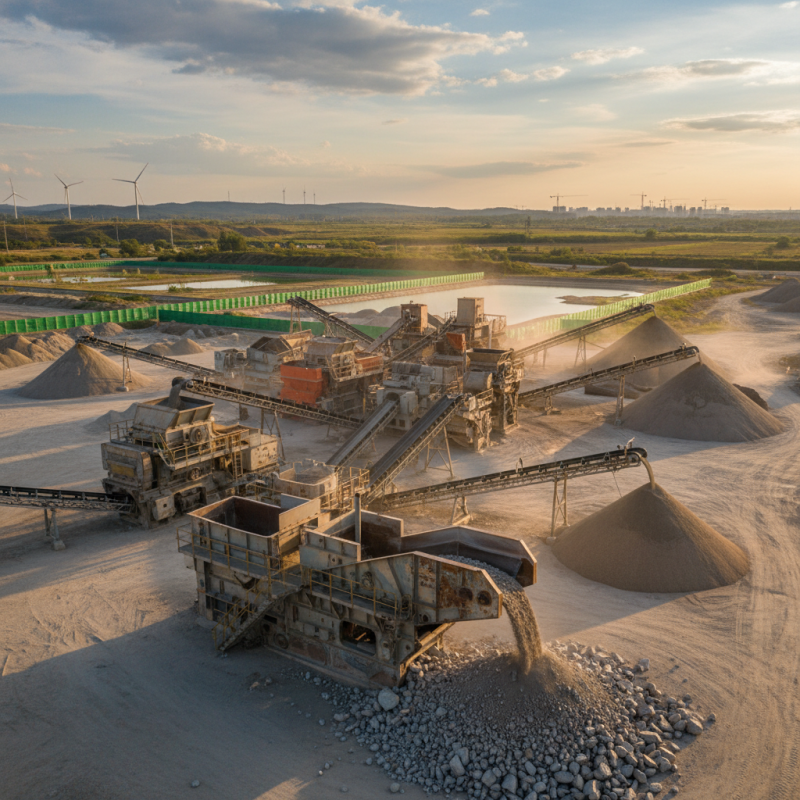
Overview of Rock Crushers and Their Importance in Mining
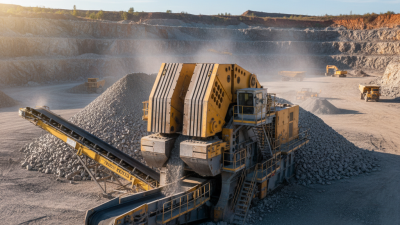
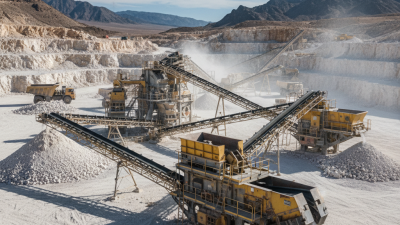
Rock crushers play a pivotal role in mining operations. They reduce large rocks into smaller, manageable pieces. This process is essential for extracting valuable minerals efficiently. According to the Mining Association, over 1.5 billion tons of aggregates are produced annually, emphasizing the demand for effective crushing solutions.
Effective rock crushers improve productivity. They can maximize the recovery of materials. However, not all machines are created equal. Industry reports suggest that about 30% of crushers in use may not meet efficiency standards. This inefficiency can lead to increased operational costs and reduced output.
Incorporating new technologies can enhance rock crushing. Automation and data analytics can optimize performance. However, the initial investment is often a hurdle for many operators. Additionally, regular maintenance is crucial, yet often overlooked. This neglect can lead to unexpected breakdowns. The importance of rock crushers in mining cannot be understated; they shape the future of resource extraction.
Types of Rock Crushers: An In-Depth Exploration of Each Type
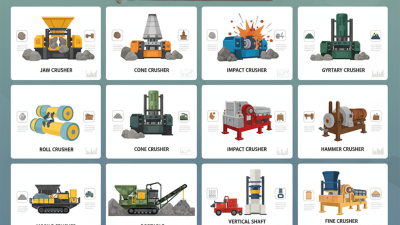
When it comes to rock crushers, understanding the various types can enhance your operational efficiency. Jaw crushers are quite popular. They create a v-shaped chamber to crush rocks. This method helps achieve a significant reduction in size. However, they can struggle with more abrasive materials.
Cone crushers are also worth mentioning. Their conical design allows for a fine crush. But they might produce more dust, which can be a problem. Impact crushers are different. They use high-speed impacts to break down materials. They can be effective, yet they often require more frequent maintenance.
Considerations do not stop there. Each type has its unique strengths and weaknesses. You may prefer one over the other based on your project needs. If you're looking for high throughput, one might assist you better than another. However, with so many options available, the decision can often feel overwhelming. Reflecting on your specific requirements is crucial.
Top 10 Rock Crushers You Need to Know About
| Type of Rock Crusher |
Application |
Material Processed |
Advantages |
Disadvantages |
| Jaw Crusher |
Primary Crushing |
Granite, Limestone |
High Efficiency, Simple Structure |
Limited Size of Output Particles |
| Cone Crusher |
Secondary Crushing |
Hard Rocks, Aggregates |
Fine Output, High Crushing Ratio |
More Expensive, Requires More Maintenance |
| Impact Crusher |
Tertiary Crushing |
Soft to Medium Hard Materials |
Versatile, High Reduction Ratio |
Higher Wear Rate |
| Roll Crusher |
Secondary or Tertiary Crushing |
Coal, Clay, Limestone |
Low Noise, Simple Operation |
Limited Reduction Ratio |
| Gyratory Crusher |
Primary Crushing |
Very Hard Materials |
High Capacity |
Large Size and Weight |
| Vertical Shaft Impact Crusher |
Sand Production |
Granite, Basalt |
High Efficiency, Improves Cubic Shape |
High Power Consumption |
| Hammer Crusher |
Primary and Secondary Crushing |
Limestone, Gypsum |
Simple Design, Easy to Operate |
Limited to Soft Materials |
| Mobile Crusher |
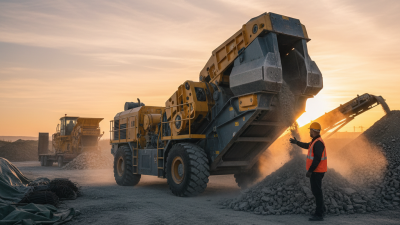
On-Site Crushing |
Various Materials |
Highly Portable, Flexible |
May Have Lower Capacity |
| Sand Maker |
Sand Production |
Granite, Conglomerate |
High Efficiency, Produces Quality Sand |
High Initial Cost |
| Feeder Breaker |
Material Processing |
Coal, Lignite |
Reduces Material Size, Efficient |
Limited to Specific Materials |
Key Features to Consider When Choosing a Rock Crusher
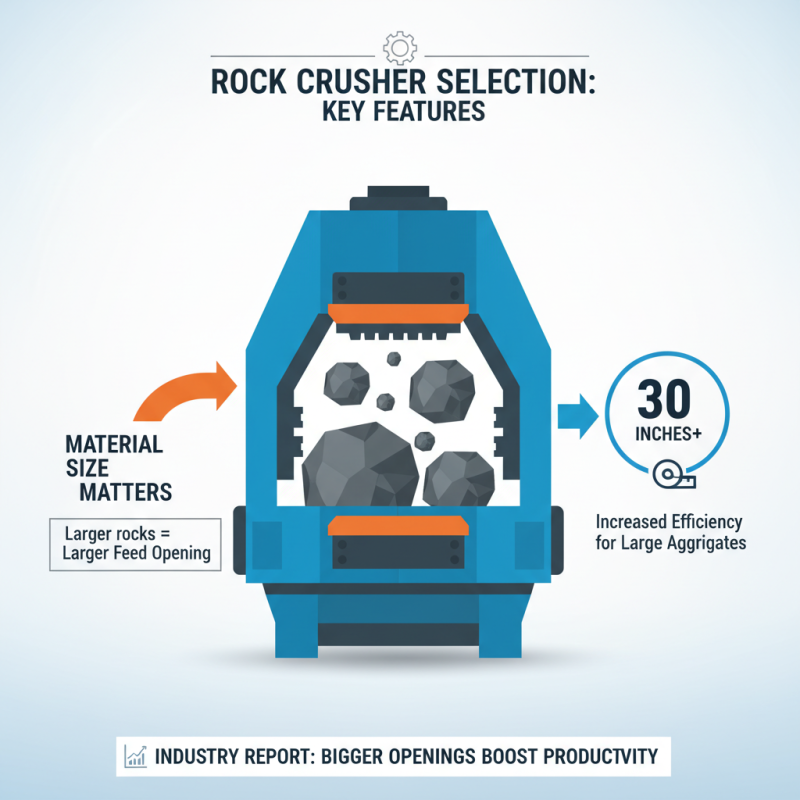
Choosing the right rock crusher requires careful consideration of several key features. The size of the material to be crushed is crucial. For instance, if you're working with larger rocks, a crusher with a larger feed opening is essential. A recent industry report suggests that crushers with a feed opening of 30 inches or more dramatically increase processing efficiency for larger aggregates.
Another important feature is the reduction ratio. This figure illustrates how much the material is reduced in size. A high reduction ratio means fewer passes through the crusher, saving time and effort. Reports indicate that crushers achieving a reduction ratio of 5:1 tend to offer the best balance between efficiency and maintenance. However, some models do not meet these expectations, leading to frequent downtime and increased operational costs.
Durability and ease of maintenance also matter. A reliable rock crusher should withstand harsh conditions and offer easy access for repairs. Unfortunately, many users overlook the long-term maintenance costs when making their choice. Data shows that neglecting maintenance can lead to a 20% decrease in productivity. Considering these factors thoughtfully will help ensure better performance and longer equipment life.
Top 10 Rock Crushers: A Detailed Review of Each Model
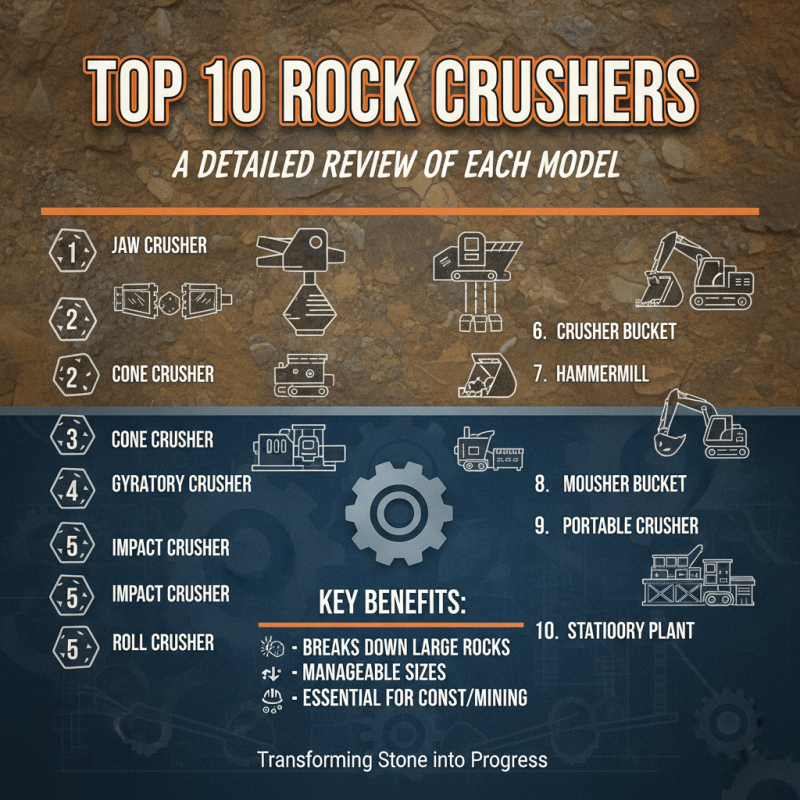
Rock crushers are essential in the construction and mining industries. They break down large rocks into smaller, more manageable sizes. In this detailed review, we will explore some notable models that stand out.
The first model excels in portability. It’s easy to move, making it ideal for various job sites. Another model is known for its crushing power. It can process a high volume of materials quickly. However, users have noted some challenges with maintenance. Make sure to stay on top of regular checks to avoid breakdowns.
Some models are better suited for specific tasks. For example, one is excellent for gravel, while another shines with hard stones. Users often express frustration over the learning curve for different settings. It’s important to understand each model's capabilities and limitations. Gathering this knowledge can save time and enhance productivity.
Maintenance Tips for Maximizing the Lifespan of Rock Crushers
Regular maintenance is crucial for rock crushers. Neglecting routine checks can lead to costly repairs. Always inspect the wear parts, such as jaws and liners. Replace them when they show significant wear to ensure efficiency. A simple visual inspection can save you time and money. Don’t overlook the importance of lubrication. Keeping moving parts adequately lubricated reduces friction. It can extend the life of your machine.
Check the bolts and screws regularly. Loose fasteners can lead to unexpected downtime. It's an easy fix that can save major headaches later. Monitor the vibration levels of your machine. Unusual vibrations often indicate a problem. Addressing issues early can prevent more severe damage. Finally, keep the work area clean. Dirt and debris can accumulate and affect performance. A tidy environment can improve both safety and efficiency.
Top 10 Rock Crushers Maintenance Tips