Top Rock Crushing Equipment for Global Buyers Today?
In today's competitive industrial landscape, selecting the right Rock Crushing Equipment is crucial for success. This equipment plays a vital role in the construction, mining, and recycling industries. Various options exist, each with unique features and specifications. Understanding these differences is key to making informed purchasing decisions.
Many buyers face challenges when choosing the right equipment. The market offers a wide range of brands and models, each claiming superior performance. However, not every piece of equipment meets the same standards of durability and efficiency. Sifting through these claims requires expertise and reliable information.
Effective Rock Crushing Equipment helps companies optimize production and reduce downtime. Investing in high-quality machinery can lead to significant long-term benefits. However, overlooking maintenance needs can lead to costly repairs. It’s essential to regularly evaluate your equipment's performance. Striking the right balance often requires thoughtful consideration and continuous learning from industry trends.
Types of Rock Crushing Equipment and Their Applications
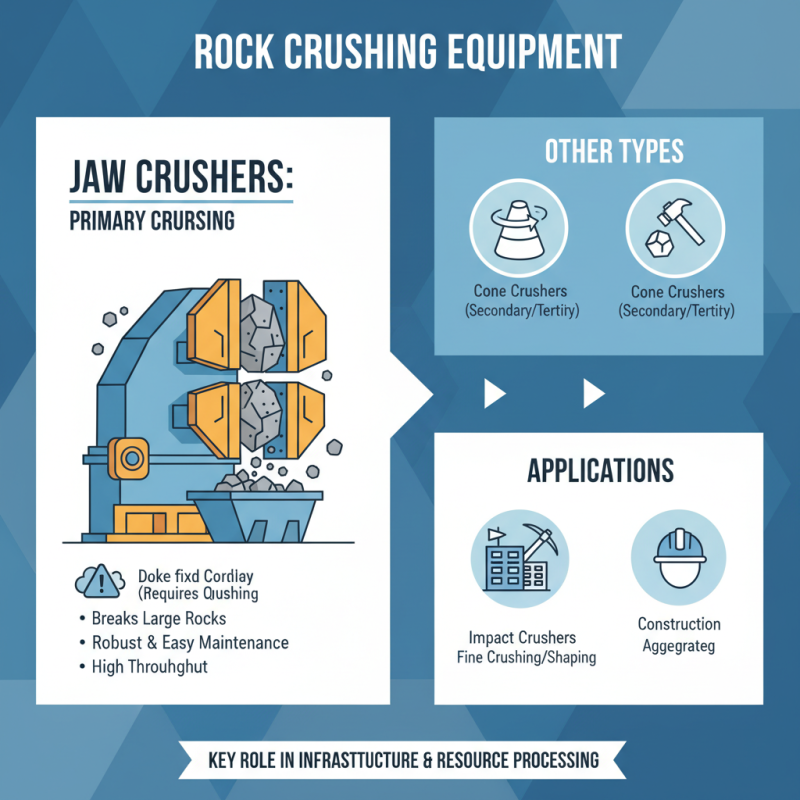
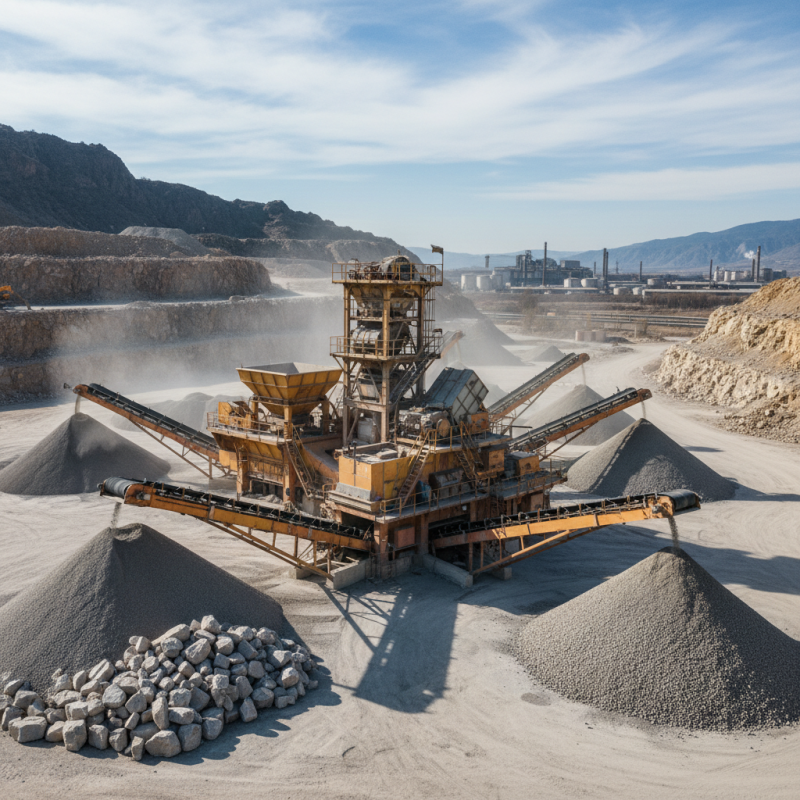
Rock crushing equipment plays a vital role in various industries, particularly in construction and mining. Different types of machines serve unique functions. Jaw crushers, for instance, are excellent for primary crushing. They break down large rocks into smaller pieces effectively. The design allows for easy maintenance and robust performance. However, they can produce more dust than desired, requiring efficient dust control systems.
Cone crushers are another popular choice. They are great for secondary and tertiary crushing. Known for their ability to produce uniform products, they can handle harder materials. Yet, they often require more power and can be costly to operate. Operators must balance efficiency and expense. Additionally, there are impact crushers, which are ideal for softer materials. They offer high reduction ratios but may wear down faster.
Finally, mobile crushing units are becoming increasingly important. They provide flexibility and can be moved easily to various sites. This mobility allows for on-site processing, reducing transportation costs. However, deploying mobile units effectively can be challenging. It requires careful planning and management. Each type of rock crushing equipment has its strengths and weaknesses, making it essential for buyers to match their needs with the right machine.
Key Features to Consider When Choosing Rock Crushing Equipment
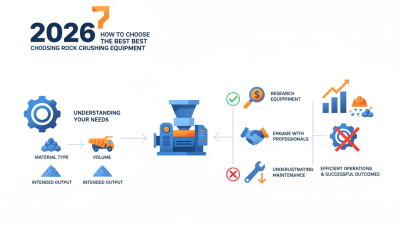
When selecting rock crushing equipment, several key features play a crucial role. Efficiency is paramount. According to industry reports, modern crushers can achieve an efficiency rate of up to 90%. This means less energy is wasted during the crushing process. Additionally, material compatibility is essential. Each rock type requires specific crushing techniques. The equipment must handle various sizes and hardness levels for optimal performance.
Another important factor is maintenance. Equipment that is easy to service can significantly reduce downtime. A study showed that poorly maintained machines can lead to a 25% increase in operational costs. Operators often overlook wear parts, which can affect overall functionality. Regular checks and part replacements can prevent costly repairs.
Lastly, mobility should not be underestimated. Many projects require equipment to be transported between sites. Portable crushing units are becoming more popular for this reason. They offer flexibility in operations and save on transportation costs. Overall, choosing rock crushing equipment requires careful consideration of these factors to ensure long-term productivity and cost-effectiveness.
Leading Manufacturers of Rock Crushing Equipment in the Global Market
The global market for rock crushing equipment is growing rapidly. According to a recent market report, the industry is projected to reach approximately $4.7 billion by 2027. This growth is fueled by increased demand from construction, mining, and demolition sectors. In fact, North America holds a significant share, accounting for nearly 30% of the global market.
Leading manufacturers focus on innovation to enhance efficiency and reduce operational costs. They emphasize energy-efficient technologies and eco-friendly materials. Some companies invest heavily in R&D, aiming to develop products that meet environmental regulations. However, not all manufacturers can keep pace with these advancements. Many face challenges due to fluctuating raw material prices and increasing competition.
Trade policies also influence the rock crushing equipment market. Import tariffs can impact the availability of machinery, raising costs for buyers. Companies need to adapt not only to market demands but also to regulatory changes. The reliance on traditional equipment may hinder growth opportunities. Manufacturers must remain flexible to thrive in this evolving landscape, balancing technology with sustainability.
Top Rock Crushing Equipment for Global Buyers Today
| Equipment Type |
Capacity (tons/hour) |
Power (HP) |
Weight (lbs) |
Price Range (USD) |
| Jaw Crusher |
50 - 150 |
75 - 200 |
10,000 - 20,000 |
$20,000 - $50,000 |
| Cone Crusher |
30 - 300 |
100 - 400 |
15,000 - 30,000 |
$30,000 - $70,000 |
| Impact Crusher |
50 - 200 |
60 - 300 |
10,000 - 25,000 |
$25,000 - $60,000 |
| Mobile Crusher |
100 - 350 |
150 - 500 |
20,000 - 40,000 |
$50,000 - $100,000 |
| Gyratory Crusher |
150 - 400 |
200 - 600 |
25,000 - 50,000 |
$70,000 - $150,000 |
Cost Analysis of Rock Crushing Equipment for Buyers
When considering rock crushing equipment, cost analysis is essential for buyers. The initial investment can be significant, often ranging from $25,000 to $1 million, depending on the type and capacity. Operational expenses further impact profitability. Reports indicate that maintenance can account for up to 15% of the overall cost. This percentage can vary widely based on usage, location, and the specific machinery selected. Buyers must assess all costs, not just the purchase price.
Costs are influenced by various factors such as energy consumption, labor, and parts replacement. A report by the Mining Equipment Manufacturers Association estimates that energy usage can represent up to 30% of annual expenses. A well-chosen, efficient machine can save money in the long run. Choosing between stationary and portable options also affects expenses. Portable equipment often incurs higher transport costs but offers greater flexibility.
Tips: Always request detailed data from equipment suppliers. Analyze maintenance histories and energy efficiency ratings. A thorough comparison helps in making informed decisions and avoiding regrets later. Track operational costs diligently to find potential savings. Investing in quality may initially seem high, but the returns can be substantial over time.
Emerging Trends in Rock Crushing Technology and Market Innovations
Rock crushing technology is evolving rapidly. Innovations are making processes more efficient and sustainable. New equipment designs focus on energy-saving features. This is crucial for operators looking to lower operational costs while boosting productivity.
Emerging trends include the integration of automation and artificial intelligence. These advancements enhance precision and reduce downtime. Real-time monitoring systems are becoming common. They allow operators to optimize performance and predict maintenance needs. However, these technologies require skilled personnel to manage them effectively.
Shifting towards eco-friendly materials is also impacting the market. Companies are investing in equipment that minimizes environmental footprints. Yet, adapting to these trends can be challenging. Not all companies can afford the latest technology. There is a need for continuous learning and adaptation in this competitive landscape. As the industry innovates, staying informed will be key for success.