Inquiry
Form loading...

Top Types of Rock Jaw Crushers Explained for Better Crushing Efficiency?

Understanding the different types of Rock Jaw Crushers is essential for efficient crushing operations. These machines play a pivotal role in various industries. They break down large rocks into smaller sizes for easier processing. This capacity directly affects productivity and material quality.

Rock Jaw Crushers come in several types. Each type serves a unique purpose and offers different benefits. However, selecting the right one can be challenging. Factors such as rock hardness and desired output sizes must be considered. Many users make the mistake of not fully understanding their requirements. This often leads to inefficient operations and wasted resources.

In this exploration, we will delve into the top types of Rock Jaw Crushers available on the market. We will highlight their features and applications. Through this, we aim to guide you towards better crushing efficiency. There is always room for improvement when it comes to choosing equipment wisely. A careful choice can ensure better results and contribute to overall project success.
Top Types of Rock Jaw Crushers Explained for Better Crushing Efficiency?

Understanding Rock Jaw Crushers and Their Functionality

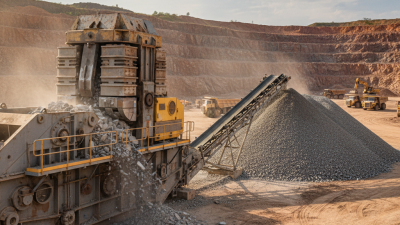
Rock jaw crushers are crucial equipment in the mining and construction industries. They primarily function to reduce large rocks into smaller, manageable sizes. Their design allows them to effectively crush materials with a high compression ratio. For example, they typically achieve reduction ratios of 6:1 to 8:1, allowing for more efficient material processing.

Understanding how these machines work is vital. The mechanism involves a fixed plate and a movable plate that create a V-shaped cavity. As the movable plate moves, it catches the rocks and compresses them. The force applied helps break down even the toughest materials. Various studies highlight that optimizing the operational parameters can enhance efficiency by up to 30%.

**Tips**: Always check the crushing chamber design before purchasing. Proper alignment can significantly reduce wear and tear on the machine. Monitor the feeding speed as well. An inconsistent feed can lead to overloading and inefficient crushing processes.

Reporting data indicates many operators overlook maintenance schedules, which can decrease efficiency. Regular inspections are necessary to ensure peak performance. Faulty or worn-out components can lead to delays and increased costs. It’s crucial to reflect on these aspects to achieve better crushing efficiency.
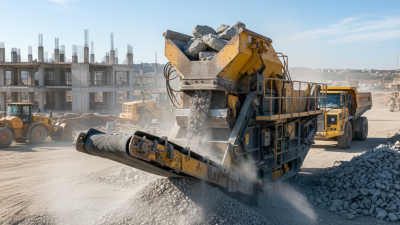
Comparison of Rock Jaw Crusher Types

Types of Rock Jaw Crushers: Key Variations and Features

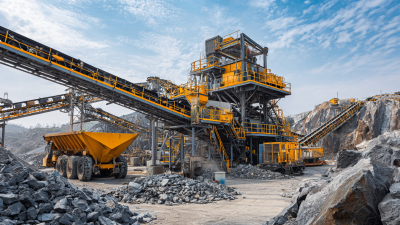
Rock jaw crushers play a vital role in material processing. They come in various types, each designed for specific applications. Understanding these variations can greatly enhance crushing efficiency. The most common types include fixed, portable, and tracked jaw crushers. Each type has unique features that cater to different operational needs.

Fixed jaw crushers are stationary and ideal for high-capacity production. They require a permanent installation, which can be a limitation. Portable jaw crushers offer flexibility, making them suitable for on-site operations. However, their smaller size may lead to reduced capacity. Tracked jaw crushers combine mobility with efficient crushing power. Yet, they often come at a higher operational cost.

When selecting a jaw crusher, consider your material type and expected output. It's essential to evaluate the trade-offs between capacity and mobility. Some users may find fixed crushers more efficient for heavy-duty tasks. Others might prefer the versatility of portable options. Ultimately, there’s no one-size-fits-all solution. Finding the right type involves reflection on your specific needs and environment.

Top Types of Rock Jaw Crushers Explained for Better Crushing Efficiency

Type of Rock Jaw Crusher Features Crushing Efficiency Recommended Applications
Single Toggle Jaw Crusher Simple structure, less parts, high power usage Moderate efficiency Primary crushing of softer materials
Double Toggle Jaw Crusher Complex structure, more parts, higher crushing force High efficiency Handling tough materials and large volumes
Impact Jaw Crusher Combines impact and compression, adjustable settings High efficiency under various conditions Recycling, quarrying, and environmental applications
Mobile Jaw Crusher Highly portable, easy to set up, versatile in use Variable efficiency based on application Construction sites, demolition, and roadworks
Mini Jaw Crusher Smaller size, lightweight, portable for smaller jobs Lower efficiency, best for limited materials Laboratories, small-scale mining

How to Select the Right Rock Jaw Crusher for Your Project

Top Types of Rock Jaw Crushers Explained for Better Crushing Efficiency?

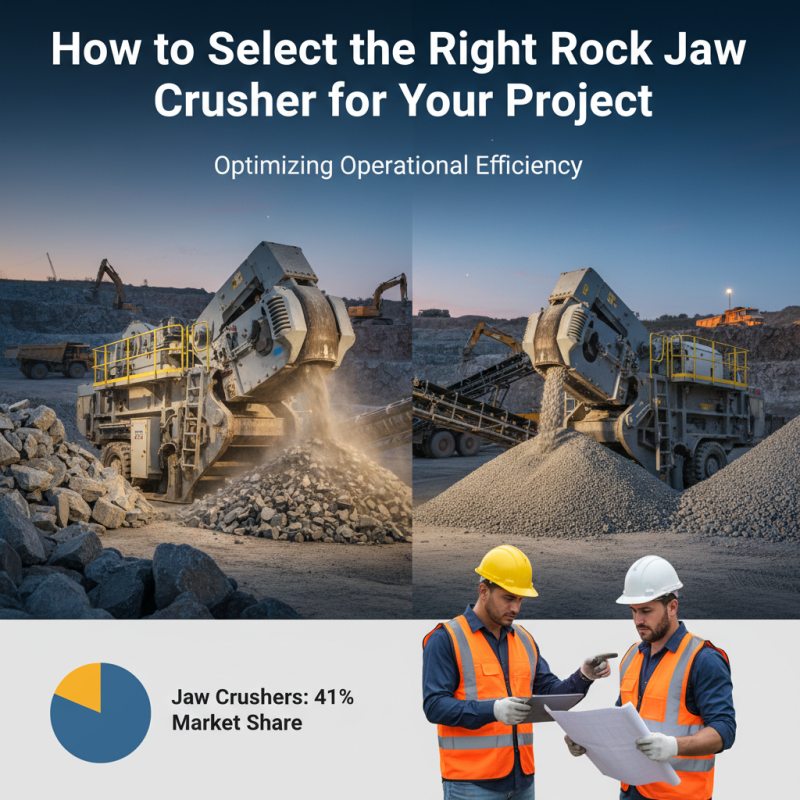
Selecting the right rock jaw crusher for your project can significantly impact your operational efficiency. A variety of factors must be considered. The size of the material to be crushed is crucial. For larger rocks, a heavy-duty model is required, while smaller materials might only need a compact unit. According to industry reports, jaw crushers account for about 41% of the market share in construction equipment. This emphasizes the importance of understanding your specific needs.

Another consideration is the desired output. Different models offer varying production capacities. Some may crush 100 tons per hour, while others can handle up to 1,000 tons. Evaluating your project scale is essential. Assess the hardness of materials too; harder stones may need a more robust design.

**Tip:** Always review the manufacturer’s specifications and user feedback. This can help you gauge reliability and performance.

Don't forget maintenance efforts. A more complex machine might mean higher maintenance costs. Consider the skill level of your team as well. Sometimes, ease of use is more beneficial than high capacity. This choice makes a big difference in the long run.

**Tip:** Calculate the total cost of ownership, including installation and upkeep. It’s easy to overlook this, but it’s vital for budget planning. Choose wisely to ensure that you meet project goals efficiently.

Factors Influencing Crushing Efficiency in Rock Jaw Crushers

Top Types of Rock Jaw Crushers Explained for Better Crushing Efficiency?

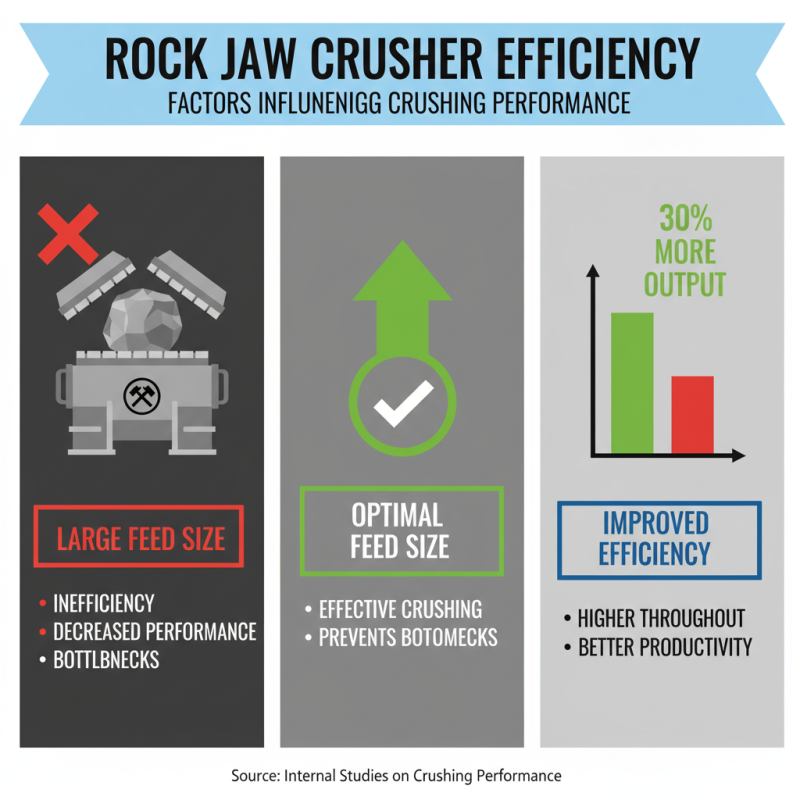
When considering rock jaw crushers, several factors influence crushing efficiency. One crucial element is the feed size. Studies show that optimal feed size can improve the output by 30%. Larger feed sizes can lead to inefficiencies and decreased performance. The optimal feed size ensures that materials are crushed effectively, preventing bottlenecks.

The crushing chamber design also plays a significant role. A well-designed chamber optimizes the material flow, which can bolster efficiency by 25%. This design can influence the movement of the jaws and the way materials are broken down. Additionally, the toggle plate adjustment is vital. Maintaining proper tension on the toggle plate affects the crusher's performance and longevity.

Tips: Regularly inspect the crushing chamber and adjust the toggle plate. Perform periodic maintenance to prevent wear and tear. Ensure your feed material is consistent to enhance efficiency. Using these strategies can positively impact your rock jaw crusher's performance. Addressing these aspects will support better crushing outcomes over time.

Maintenance Tips for Optimal Performance of Rock Jaw Crushers

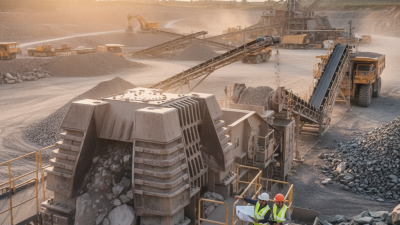
Proper maintenance of rock jaw crushers is crucial for ensuring peak performance. Regular inspections help identify issues early. Check for wear and tear on vital components. Look at the toggle plate, bearings, and jaws. Often, small cracks can point to larger problems. Replace worn-out parts promptly. Ignoring these issues can lead to costly downtimes.

Cleaning is essential. Dust and debris can accumulate, affecting operation. A clean crusher runs smoother and more efficiently. Use compressed air to blow out dust. Regular lubrication keeps moving parts functioning well. However, over-lubrication can lead to buildup, which hinders performance. Find the balance for your specific machine.

Operator training plays a significant role too. A well-trained operator can spot irregularities before they escalate. Provide regular training to your team. Encourage them to report any strange noises or vibrations. Address these concerns immediately. Prevention is more effective than repairs.