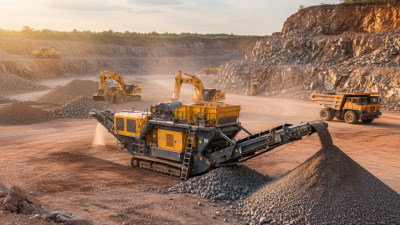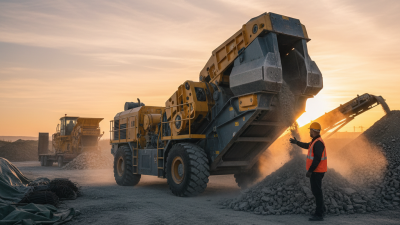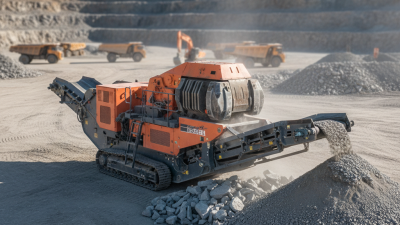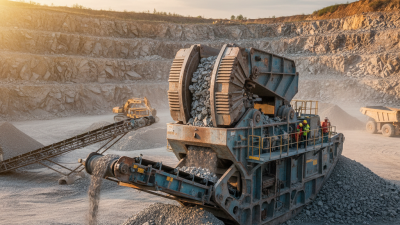
The rise of mobile jaw crushers marks a significant trend in the construction and mining industries. According to a recent report by ResearchAndMarkets, the mobile crushing and screening equipment market is projected to grow at a CAGR of over 5% from 2020 to 2025. This growth is fueled by the increasing demand for portable and flexible equipment. The mobile jaw crusher stands out due to its high efficiency, mobility, and versatile applications.
Mobility is a key advantage. Operators can relocate their equipment easily, minimizing downtime. Statistics show that companies employing mobile crushers have reported up to a 30% increase in productivity. The ability to crush materials on site reduces transportation costs. However, challenges in maintenance and operational training remain. These factors must be considered for optimal use.
Mobile jaw crushers also play a crucial role in sustainability. They reduce the carbon footprint of material transport. The recyclability of crushed materials contributes positively to environmental goals. Nonetheless, achieving high performance requires reliable technology and skilled operators. This complexity indicates the need for careful investment decisions.
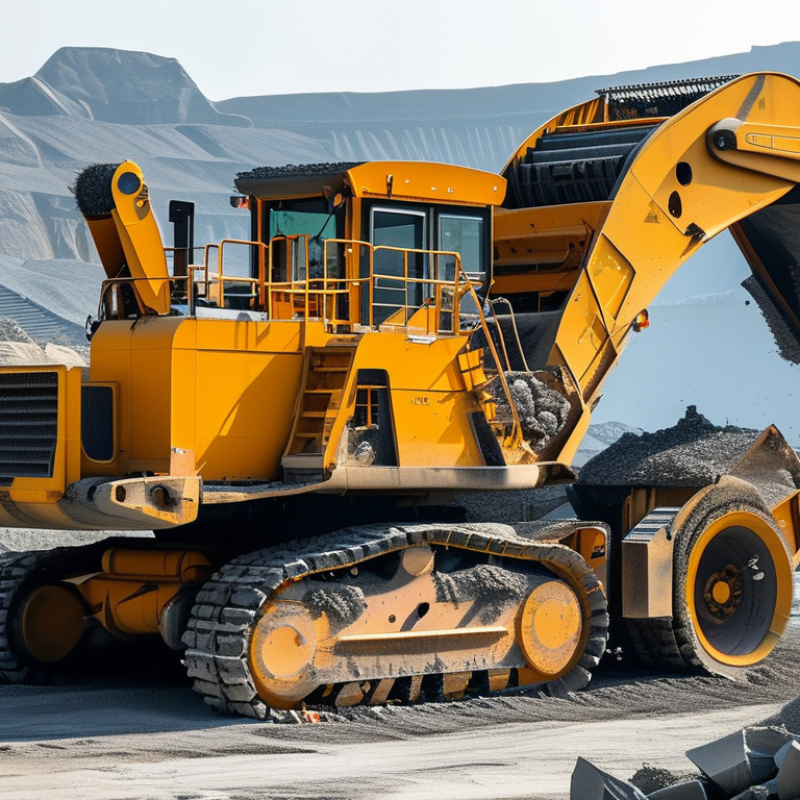
Mobile jaw crushers have transformed the construction and mining industries. These machines offer several advantages that enhance efficiency and productivity. One key benefit is their mobility. According to a report by the Global Mining Equipment Market, mobile crushers can reduce transportation costs by up to 50%. This mobility allows operators to move directly to the worksite, eliminating the need for additional logistics.
Another significant advantage is their versatility. Mobile jaw crushers can handle various materials, from granite to asphalt. This adaptability is crucial, especially as construction projects often require dealing with different types of rubble. Data from the Construction Equipment Association indicates that using mobile crushers can increase processing speed by as much as 30%. However, it’s important to consider that not every site is suitable for mobile equipment. Terrain and accessibility can pose challenges, which may necessitate careful planning.
Moreover, mobile jaw crushers provide real-time data and productivity tracking. This feature allows operators to make informed decisions during the operation. A study by the International Journal of Engineering and Technology highlights that real-time monitoring can optimize production rates by 20%. Nevertheless, there's a learning curve associated with utilizing advanced features effectively. As the industry evolves, ongoing training and adaptation are essential for maximizing the benefits of mobile jaw crushers.
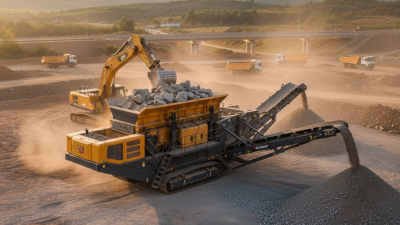
Mobile jaw crushers are revolutionizing the way construction and demolition projects are handled. Their enhanced portability allows them to be easily transported to various job sites. Instead of relying on stationary production facilities, contractors can bring the equipment directly to the material source. This significantly reduces transportation costs and time.
Flexibility is another key benefit of mobile jaw crushers. They can quickly adapt to different site layouts and can be set up rapidly. This means projects can maintain momentum, reducing downtime. For teams facing tight deadlines, this efficiency is invaluable. The machines often handle a variety of materials, expanding their usability across different projects.
**Tips:** Regular maintenance checks can enhance the lifespan of your mobile jaw crusher. Investing in training for your team ensures they use the equipment efficiently. Always evaluate job site conditions before operating; unexpected obstacles can lead to operational delays.
Mobile jaw crushers offer significant cost advantages over stationary crushing solutions. According to industry reports, mobile crushers can reduce operational expenses by up to 30%. This reduction is mostly due to their flexibility and ease of transportation. Global buyers can save on logistics, as mobile units can be moved to the site where needed.
Additionally, the initial investment for mobile plants is often lower. Setting up stationary units can involve high infrastructure costs. In contrast, mobile jaw crushers are ready to operate within hours. They require minimal setup time and can adapt to various job sites quickly. This efficiency leads to improved productivity without hefty upfront expenses.
However, it’s essential to consider maintenance factors. Mobile units experience wear and tear differently compared to stationary plants, often requiring more frequent servicing. There are also concerns regarding fuel efficiency. While advancements have improved this aspect, traditional stationary plants still outperform in some scenarios. As buyers evaluate options, balancing upfront costs with long-term reliability remains crucial.
Mobile jaw crushers have increasingly become a staple in various industries due to their practicality. A notable advantage lies in improved safety features. Enhanced safety systems reduce the risk of operator injury. These systems include automatic shut-off mechanisms and emergency stop buttons, ensuring a swift response in emergencies.
Operator comfort is another crucial factor. Modern mobile jaw crushers feature ergonomic designs. The cabin often includes cushioning, adjustable seating, and better visibility. This comfort allows operators to work efficiently for longer periods. Having control panels placed intuitively can minimize fatigue and enhance focus.
However, gaps still exist. While safety features are improving, not all machines meet the highest standards. Some operators may overlook basic safety checks. It's vital for operators to fully understand their equipment’s safety features. Knowledge is key to maintaining a safe working environment. Ensuring that all safety protocols are followed consistently requires ongoing training and awareness.
Mobile jaw crushers have emerged as a vital innovation in the construction and mining sectors. They are not only efficient but also promote environmental sustainability. One of the most significant environmental benefits is that these crushers are typically mobile. This mobility minimizes the need for transporting materials over long distances. Reduced transportation means lower fuel consumption and decreased emissions.
Additionally, mobile jaw crushers often operate at the site of material extraction. This approach reduces material handling, thus lowering the overall carbon footprint. Dust and noise pollution generated during operations can be significantly reduced too. The ability to recycle concrete and other materials on-site further enhances their sustainability. However, reliance on these machines does require constant surveillance. Maintenance is essential to ensure they function efficiently and do not harm the environment.
While mobile crushers offer great benefits, potential drawbacks exist. Their operation can sometimes lead to local disturbances. It’s crucial for operators to implement best practices for noise control and minimize their impact on surrounding ecosystems. Balancing efficiency with environmental responsibility can be challenging, but it is necessary for sustainable progress in the industry.
| Benefit | Description | Environmental Impact | Reduced Footprint |
|---|---|---|---|
| Portability | Easily movable to various job sites | Reduces transport emissions | Less space required during operation |
| Cost-efficiency | Lower operational costs compared to fixed models | Decreases energy consumption | Minimizes need for extensive infrastructure |
| Productivity | Higher throughput rates with mobility | Lower carbon footprint per ton produced | Reduced site disruption |
| Versatility | Capable of handling various materials | Accommodates multiple recycling options | Flexible setups reduce resource use |
| Reduced Noise | Lower operational noise levels | Minimizes disturbance to local wildlife | Less intrusive during operation |
| Safety | Built with modern safety features | Fewer hazards for workers | Simplifies site safety management |
| Easier Maintenance | Simplified access for repairs | Reduces downtime and waste | Less machinery contributes to smaller land use |
| Technology Integration | Compatible with remotely operated systems | Optimizes resource allocation | Streamlined operations reduce excess waste |
| Eco-Friendly Materials | Manufactured with sustainable practices | Contributes to lower impact sourcing | Limited resource usage during production |
| Recycling Capabilities | Optimized for material recovery | Encourages sustainable construction methods | Reduces landfill dependency |