Finding the Best Concrete Jaw Crusher for Your Business Needs?
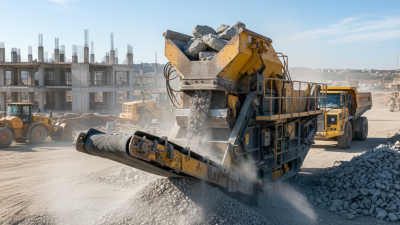
When searching for the right equipment for your business, a Concrete Jaw Crusher stands out. This powerful machine is essential for crushing large volumes of concrete and other materials. Selecting the best one can significantly impact your operations. The right jaw crusher will increase efficiency and reduce operational costs.
Consider factors like size, capacity, and durability when choosing a Concrete Jaw Crusher. Each business has unique requirements. An ideal machine must align with your specific needs whether for small-scale projects or large industrial operations. The market offers numerous options but not all are equal.
Choosing the wrong device can lead to setbacks. A poor choice may mean frequent repairs or inadequate performance. Thus, it’s vital to research reviews and specifications. Engaging industry professionals can provide invaluable insights. Their expertise can guide your decision, ensuring you make a choice that supports your business goals effectively.
Understanding Concrete Jaw Crushers and Their Functionality
Concrete jaw crushers are crucial for many businesses involved in construction and demolition. They are designed to crush concrete, brick, and other materials into manageable sizes. This functionality helps in recycling and reusing materials, reducing waste and costs. Understanding how these machines operate is key to finding the best fit for your needs.
These crushers typically use a hydraulic system that regulates force. The design allows for adjustable jaw settings, which can affect size reduction. However, not all models are created equal. Some may perform better in specific situations, while others might struggle with certain materials. It’s essential to evaluate the machine's specifications against your project requirements.
Choosing the right model can feel overwhelming. You must consider the size, weight, and power of the machine. Challenges may arise if the chosen model doesn't align with your needs. You might end up with a crusher that cannot handle your workload efficiently. Such decisions warrant careful reflection. Balancing functionality with your specific operational needs is vital for long-term success.
Key Factors to Consider When Choosing a Concrete Jaw Crusher
When selecting a concrete jaw crusher, several key factors come into play. The crusher's capacity matters significantly. It should align with the daily output your project demands. Consider the size of the material to be crushed as well. Larger rocks require more robust machines. Understanding your requirements can guide your choice effectively.
Durability is another crucial aspect. Concrete jaw crushers operate in tough environments. A reliable machine can withstand heavy use and abrasive conditions. Look for materials and designs that promise longevity. This ensures minimal downtime and maintenance.
Also, consider the ease of operation. A user-friendly interface enhances productivity. Operators should be able to adapt quickly. Some features might seem advanced but can complicate the operation. Reflecting on long-term costs is essential too. Cheaper options may lead to frequent repairs. Investing wisely in quality can yield benefits over time.
Finding the Best Concrete Jaw Crusher for Your Business Needs
| Feature |
Description |
Importance |
| Crushing Capacity |
The maximum output the jaw crusher can provide in tons per hour. |
High |
| Size Reduction Ratio |
The ratio of the size of the feed material to the size of the product. |
Medium |
| Power Consumption |
The amount of electrical power required for operation. |
High |
| Operating Cost |
Overall cost of running the crusher including maintenance and parts. |
High |
| Portability |
Ease of transportation and setup at different sites. |
Medium |
| Durability |
The ability to withstand wear, pressure, or damage during operation. |
High |
| Safety Features |
Incorporated systems to ensure safe operation. |
High |
Evaluating Material Types and Operational Requirements
Choosing the right concrete jaw crusher involves understanding the material types you'll process.
Aggregates can vary significantly in composition and size. The American Concrete Institute highlights that concrete density typically
ranges from 1440 to 2400 kg/m³. Heavier aggregates may require more robust crushing mechanisms. This impacts both the
operational efficiency and lifespan of your equipment.
Operational requirements also play a crucial role. A study by the National Ready Mixed Concrete Association emphasizes that factors
such as crushing capacity and feed size must align with project demands. For instance, if high throughput is necessary,
selecting a model with enhanced processing speeds is critical. Conversely, working with smaller or more consistent materials allows for different crusher specifications.
Many operators overlook maintenance needs, which can lead to underperformance. Frequent wear on components may arise from improper material selection.
Research from the Construction Industry Institute reveals that equipment downtime can account for over 30% of
operational costs. Hence, ongoing assessment of both material types and the intended application is vital for optimizing performance and minimizing unforeseen issues.
Comparing Different Manufacturers and Models of Jaw Crushers
When selecting a concrete jaw crusher, various manufacturers and models must be compared. Each model has distinct features that may cater to specific business needs. According to a recent industry report, choosing the right jaw crusher can increase operational efficiency by up to 30%.
Manufacturers often differ in design, power, and performance. For instance, some models offer advanced features like better crushing ratios and reduced downtime. A robust model may handle larger materials efficiently, yet might come at a higher price point. This raises the question: does the additional cost translate to proportional value?
Data indicates that maintenance frequency varies significantly among brands. Some machines require more upkeep, adversely affecting productivity in the long run. An analysis shows that a particular model experiences a 40% increase in maintenance costs over three years. Businesses must weigh these factors carefully. Investing in a high-quality model may reduce long-term expenses, but initial costs can be daunting. Evaluating key metrics like throughput and operating costs remains crucial in this decision-making process.
Comparative Analysis of Jaw Crusher Performance
Maintenance and Support for Your Concrete Jaw Crusher
Proper maintenance is crucial for the longevity of your concrete jaw crusher. Routine checks can prevent unexpected breakdowns. It is essential to regularly inspect key components, such as the jaw plates and bearings. Accumulated wear and tear can lead to reduced efficiency. Over time, parts may require replacement. Keeping spare parts on hand can save you downtime, especially in peak operations.
Tips for maintenance include cleaning the machine daily. Regularly lubricate moving parts as recommended in the manual. Additionally, monitor the crushing process for unusual sounds. If you notice something off, investigate promptly. Don’t ignore small issues; they can escalate into significant problems. Training your operators to recognize these signs is beneficial for overall performance.
Having reliable support is part of ownership. Consider training programs to help staff understand best practices. A strong support network ensures you have resources for repairs. Collaborating with experienced technicians can help in troubleshooting. Access to expert advice is invaluable when challenges arise. Investing in maintenance can yield significant long-term benefits.