10 Best Stone Crushing Equipment for Efficient Aggregate Production?
The global demand for construction aggregates continues to rise, with the World Economic Forum reporting a staggering annual increase of 6.2% in 2022. This surge in demand necessitates the efficient use of Stone Crushing Equipment, which plays a vital role in the production of quality aggregates. These machines not only enhance productivity but also ensure sustainability in operations.
Selecting the right stone crushing machinery is pivotal for any aggregate production process. According to industry analysis by Grand View Research, the market for stone crushing equipment is expected to reach $4.5 billion by 2028, largely driven by infrastructure development. However, many operations face challenges in optimizing their crushing processes. Choosing the best equipment can significantly impact both profit margins and operational efficiency.
Not all stone crushing solutions are created equal. Operators must evaluate performance metrics and compatibility with existing systems. Data show that investing in high-quality equipment can reduce downtime by up to 30%. Yet, many producers overlook such details, which can lead to long-term inefficiencies. Ensuring the right choice of Stone Crushing Equipment is essential for achieving competitive advantages in a growing market.
Overview of Stone Crushing Equipment and Its Importance
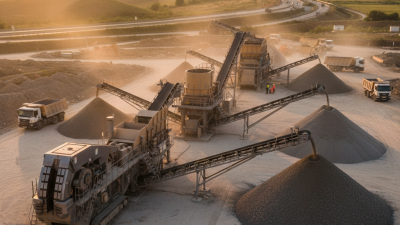
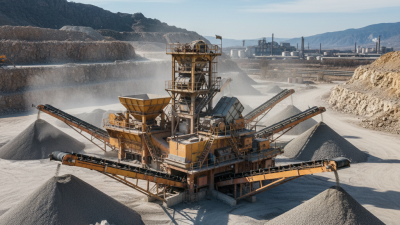
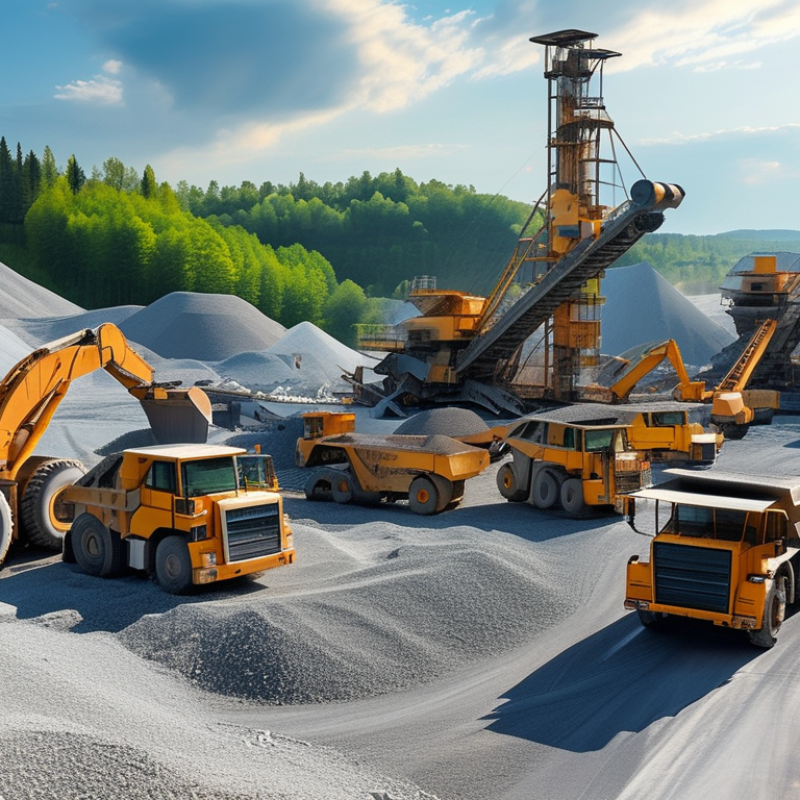
Stone crushing equipment plays a crucial role in the aggregate production process. This machinery is essential for transforming large rocks into smaller, manageable pieces. These smaller aggregates are used in various construction applications. The efficiency of this equipment directly impacts the quality and quantity of the final product.
Proper selection of stone crushing equipment is vital. Different machines are designed for specific types of materials and project requirements. For example, jaw crushers and cone crushers serve distinct functions. However, many projects face challenges due to improper equipment usage or maintenance. Regular inspections and timely repairs can prevent costly breakdowns. In some instances, operators may overlook the importance of training, leading to inefficient operations and safety risks.
Understanding the importance of the right machinery can enhance productivity. Investing in high-quality equipment can yield better results. However, costs can become a barrier for smaller companies. Balancing budget constraints while ensuring reliability in equipment is a common concern. It requires careful planning and decision-making to achieve optimal results in aggregate production.
Types of Stone Crushing Equipment for Aggregate Production
When it comes to aggregate production, the right stone crushing equipment matters significantly. There are various types of machines designed for specific crushing tasks. Jaw crushers are known for their ability to handle large rocks, making them a staple in the industry. Cone crushers offer versatility with different settings for fine or coarse crushing. Impact crushers excel in shaping aggregate while minimizing elongated particles.
As you choose equipment, consider the material types you are processing. For softer materials, a horizontal impact crusher may be suitable. Alternatively, more durable materials may need the robustness of a gyratory crusher. The size and nature of the aggregate can determine the effectiveness of the equipment.
Tips: Regular maintenance is essential for all types of crushers. Monitor wear parts closely to ensure efficient operation. Moreover, operator training is crucial. Personnel should understand how to optimize machine settings for different materials. Investing time in these areas can prevent costly downtimes and improve production rates.
10 Best Stone Crushing Equipment for Efficient Aggregate Production
| Equipment Type |
Crushing Capacity (tons/hour) |
Power (kW) |
Weight (kg) |
Application |
| Jaw Crusher |
50-150 |
37-200 |
2000-3000 |
Primary Crushing |
| Cone Crusher |
30-100 |
75-300 |
500-1000 |
Secondary Crushing |
| Impact Crusher |
50-200 |
55-200 |
1500-3000 |
Construction Waste Recycling |
| Hammer Crusher |
30-120 |
45-160 |
1000-2500 |
Material Shredding |
| Gyratory Crusher |
150-300 |
150-600 |
3000-5000 |
Primary Crushing |
| Vertical Shaft Impact Crusher |
50-120 |
30-150 |
1500-2500 |
Sand Production |
| Roll Crusher |
10-50 |
30-200 |
1500-3000 |
Material Compression |
| Mobile Crusher |
30-100 |
50-300 |
3000-8000 |
On-Site Crushing |
| Stone Crusher Plant |
50-500 |
200-800 |
15000-30000 |
Comprehensive Crushing |
| Belt Conveyor |
N/A |
5-50 |
500-5000 |
Material Handling |
Key Features to Consider When Choosing Crushing Equipment
When selecting stone crushing equipment, several key features should be considered to enhance efficiency in aggregate production. One crucial aspect is the material type that each crusher can handle. For example, jaw crushers excel in processing hard materials such as granite, while impact crushers are better suited for softer stones. According to a recent industry report, machinery that matches material type can improve productivity by up to 30%.
Another essential feature is the crushing capacity, often measured in tons per hour. A machine with a higher output can significantly reduce operating costs. The efficiency of crushing also depends on the desired final product size. Adjustable settings allow operators to achieve precise specifications, which is vital for meeting market demands. It's worth noting that regular maintenance and monitoring of wear parts can extend equipment life and prevent costly downtime.
**Tips:** Always assess the unit's energy consumption. Efficient machines use less power, saving costs in the long run. Additionally, consider the manufacturer's support services. Reliable parts availability and technical support can be crucial.
Investing in automated features can also enhance safety and reduce manual labor. However, these systems may require upfront investment. It's crucial to gauge long-term savings versus short-term costs. Balancing performance and budget constraints remains a challenge for many operators.
Top 10 Stone Crushing Machines and Their Applications
The modern construction industry relies heavily on stone crushing equipment for efficient aggregate production. Various machines serve specific purposes, ensuring the right material size for different applications. Jaw crushers are widely used for primary crushing, breaking down large stones into manageable pieces. These machines are robust and capable of enduring challenging conditions.
Cone crushers are another popular choice. They excel in secondary crushing, providing finer materials for construction projects. Their design allows them to handle harder stones, making them vital for producing high-quality aggregates. Impact crushers, on the other hand, utilize high-speed impact to crush stones. They are beneficial when dealing with softer materials.
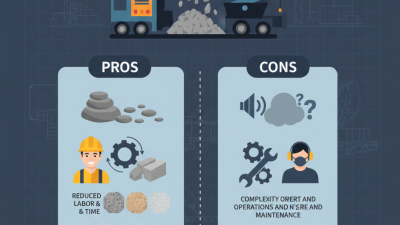
While these machines have numerous advantages, challenges exist as well. Maintenance can be costly and time-consuming. Operators must also pay attention to safety protocols to prevent accidents. Some machines may generate excessive noise or dust, leading to environmental concerns. Regular assessments can help improve efficiency, but they require time and resources. Balancing production goals with reliable equipment performance is essential for sustainable operations.
10 Best Stone Crushing Equipment for Efficient Aggregate Production
Maintenance Tips for Optimal Performance of Crushing Equipment
Maintenance plays a crucial role in the performance of stone crushing equipment. Proper upkeep can significantly enhance the lifespan of machinery. According to industry reports, regular maintenance can reduce operational costs by up to 30%. Inspecting the equipment regularly helps identify wear and tear. This proactive approach can prevent unexpected failures, which are costly and time-consuming.
One essential maintenance tip is to ensure proper lubrication of components. Lubricated parts reduce friction, leading to smoother operations. A well-lubricated machine is less prone to overheating and breakdowns. Monitoring lubrication levels daily helps maintain optimal performance. Consider setting reminders for routine checks. Scheduled maintenance can be more efficient than reactive measures after a failure.
Another important aspect is the alignment of crusher components. Misalignment can lead to increased wear on the equipment. Adjusting and aligning parts may seem tedious, but it prevents significant issues down the road. It's also vital to clean the equipment regularly. Accumulated debris can hinder operation and affect product quality. Investing time in cleaning can yield better efficiency and performance.