How to Choose the Best Stone Crushing Equipment for Your Needs?
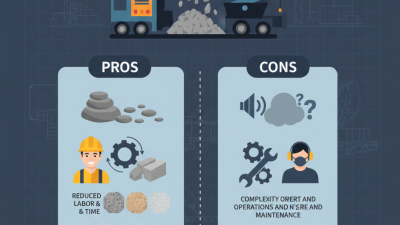
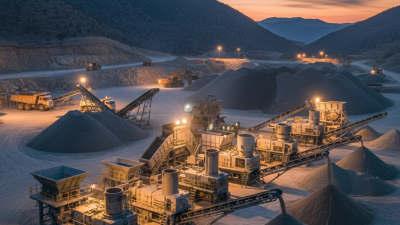
Choosing the right Stone Crushing Equipment is crucial for the success of your construction projects. The market offers various options, making the selection process overwhelming. Equipment differs in size, capacity, and technology. Each type has its strengths and weaknesses, affecting performance and cost efficiency.
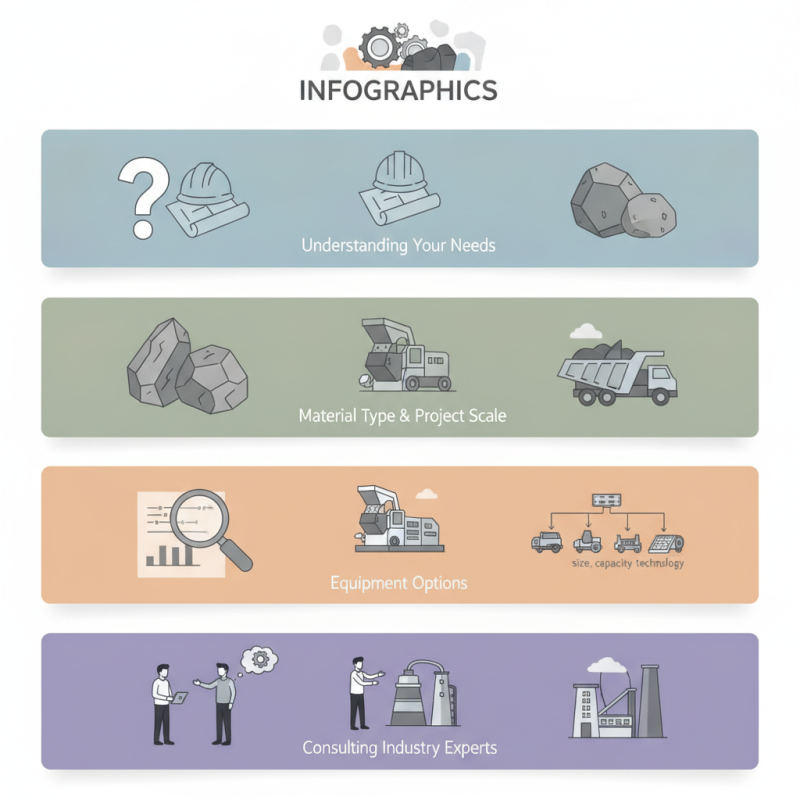
Understanding your specific needs is essential. Factors such as material type and project scale play a significant role. Some equipment might excel in crushing hard rocks, while others are better suited for softer materials. Evaluating these details ensures the equipment can meet your operational demands.
Consulting with industry experts can add valuable insights. Their experience can guide you through the nuances of different machines. Relying solely on specifications might not provide a complete picture. Real-world performance can sometimes defy expectations, highlighting the importance of practical advice in making informed decisions.
Understanding Different Types of Stone Crushing Equipment Available
When selecting stone crushing equipment, understanding the different types available is crucial. Each type serves unique purposes and operates in varying conditions.
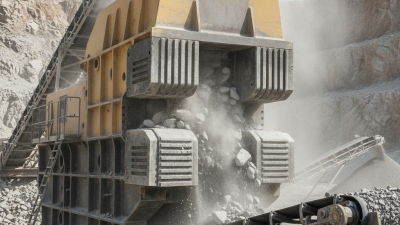
Jaw crushers are commonly used for primary crushing. They excel at breaking down large rocks into manageable sizes. Cone crushers, on the other hand, are ideal for secondary and tertiary crushing, providing a finer material output.
Tips: Consider the type of material you will crush. Harder materials require more robust equipment. Evaluate the desired end product size. Ensure the machine can produce the desired specifications efficiently.
Impact crushers are another option, known for their ability to crush softer materials. They offer flexibility but may not be suitable for all applications. It’s vital to assess operational costs, maintenance needs, and the equipment’s lifespan. Misjudging these factors can lead to costly mistakes.
Tips: Always prioritize reliable manufacturers. Investing in durability can save from frequent repairs. Regular maintenance of your equipment is essential to ensure optimal performance.
Key Factors to Consider When Choosing Crushing Equipment
When selecting stone crushing equipment, several key factors come into play. The type of material being processed is crucial. Different stones, like granite or limestone, necessitate specific equipment. Studies show that the abrasiveness and hardness of materials can influence machine choice, affecting operational efficiency and wear rates. A report from the National Stone, Sand & Gravel Association highlights that equipment needs vary greatly based on material characteristics, with some machines performing optimally on softer rocks while struggling with harder types.
Another important consideration is production capacity. This refers to the volume of material you need crushed within a certain timeframe. Assessing your project's demands is vital to avoid under or over-investment. Data indicates that machinery capable of producing 150 tons per hour may suffice for smaller operations, whereas larger projects may require units with capacities exceeding 500 tons per hour. Efficiency and downtime should also be factored into your decision. High-quality equipment often mitigates operational delays, but maintenance costs can sometimes become a concern as machines age.
You must evaluate the environmental impact too. Not all crushing processes are eco-friendly. Sustainable practices in gear choices align with environmental regulations. Failing to consider these elements can lead to regulatory challenges later. Reflecting on these complexities helps in making a more informed and strategic equipment selection.
How to Choose the Best Stone Crushing Equipment for Your Needs?
| Factor |
Description |
Consideration |
| Type of Material |
Understand the type of stones that will be crushed. |
Ensure the equipment is suitable for hard, soft, or abrasive materials. |
| Capacity |
Amount of material that can be processed per hour. |
Select equipment that meets your production volume needs. |
| Size Reduction Ratio |
The ratio of the size of the raw material to the size of the product. |
Determine what size reduction is necessary for your application. |
| Operational Costs |
Costs associated with running the equipment. |
Consider fuel, maintenance, and labor costs in your budget. |
| Mobility |
Whether the equipment can be moved easily to different locations. |
Assess if stationary or portable equipment is more beneficial for your operations. |
| Maintenance Requirements |
How often the equipment needs servicing or repairs. |
Choose equipment that is easy to maintain and has good support services. |
Analyzing Performance Metrics: Output Capacity and Efficiency
When selecting stone crushing equipment, examining performance metrics is vital. Output capacity is a key factor. It defines how much material can be processed within a given timeframe. A higher output capacity often means efficient operation. However, it’s essential to match this to the specific demands of your project. An excessive capacity for a small job can lead to wasted resources.
Efficiency is another critical metric. It reflects how well the equipment converts raw materials into usable aggregates. High efficiency means less energy consumption and lower operational costs. It's important to consider how different types of equipment perform in various conditions. Not all machines are created equal.
Empirical data and case studies can provide insights into real-world performance. User reviews and testimonials can sometimes reveal unexpected issues or strengths. It's essential to investigate these factors thoroughly. The ideal equipment should strike a balance between capacity and efficiency tailored to your unique needs.
Stone Crushing Equipment Performance Metrics
Evaluating Cost Considerations: Initial Investment vs. Long-Term Savings
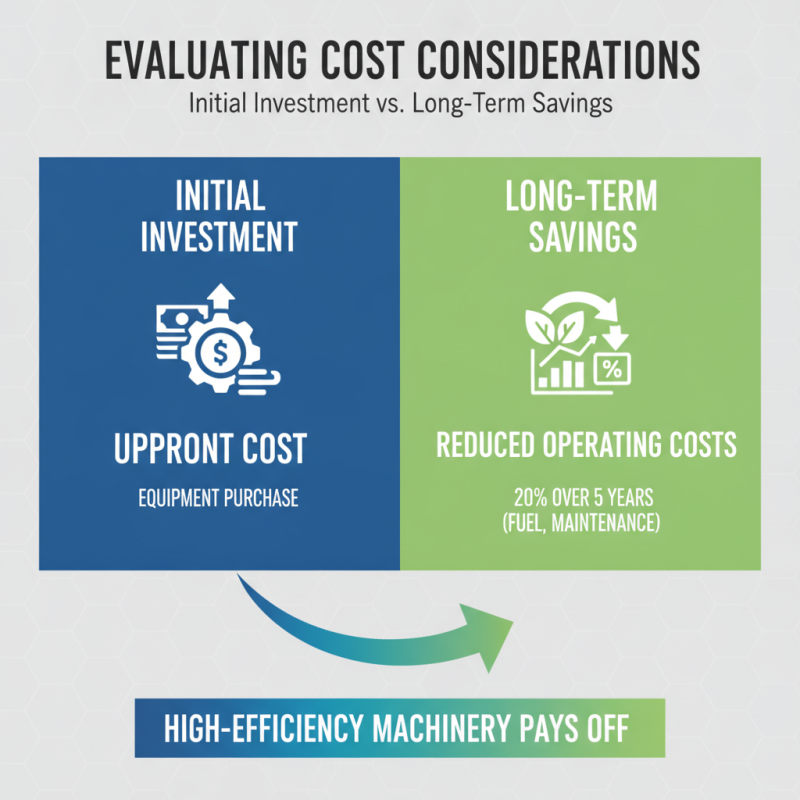
When selecting stone crushing equipment, cost is a crucial factor. The initial investment often draws attention. However, the long-term savings it can provide are equally important. A study by the World Mining Congress indicates that high-efficiency crushing machinery can reduce operational costs by 20% over five years. This data highlights the significance of considering not just the upfront costs.
Maintenance is another aspect to evaluate. Some lower-cost machines have higher failure rates. Their repair costs can surpass initial savings. For example, the National Stone Association reported that a poorly maintained crusher can increase downtime by 30%, leading to significant productivity losses. In contrast, investing in reliable, durable equipment can yield better performance and reduce unforeseen expenses.
Fuel efficiency is also vital. Selecting crushers known for energy efficiency can lower fuel costs substantially. Research shows that energy-efficient equipment can save companies up to 15% in fuel expenses annually. Yet, prospective buyers should be cautious; the right choice involves balancing initial costs with expected operating expenses. Reflecting on these factors will lead to informed decisions that align with both financial and operational goals.
Maintenance and Support: Ensuring Longevity of Crushing Equipment
Proper maintenance of stone crushing equipment is essential for maximizing productivity. Regular inspections can identify wear and tear before they lead to failures. According to industry reports, unplanned downtime in crusher operations can lead to losses exceeding $50,000 per hour. This statistic underscores the importance of preventive checks.
Support from experienced technicians is vital. They can provide insights into equipment optimization and troubleshooting. Data indicates that over 70% of crushing failures stem from inadequate maintenance. Companies should invest in training for their staff. Knowledgeable personnel can perform good maintenance practices, reducing the risk of costly breakdowns.
Documenting maintenance activities can enhance reliability. Keeping a detailed log helps track the performance of parts. Reports show that companies with robust maintenance records have up to a 30% increase in equipment lifespan. This correlation is a reminder that responsible usage is key to longevity. Emphasizing care and support for crushing equipment results in better operational outcomes.