China Top 10 Gravel Crusher Manufacturers for Global Buyers
Buying a Gravel Crusher from China can reduce equipment costs, but price alone should never guide a global purchase.
Manufacturers differ in engineering depth, factory control, component quality, and after-sales support. Some build compact mobile units for rural road projects. Others produce heavy-duty jaw, cone, impact, and screening systems for large quarry operations. The right choice depends on feed size, rock hardness, required output, fuel access, and site conditions.
Mining and mineral-processing authority Dr. Barry A. Wills stated, “The objective of mineral processing is to concentrate the valuable mineral and reject the unwanted material.” This principle also applies to gravel production. A crusher must deliver useful, consistent material, not simply impressive specifications.
This guide examines China’s top 10 Gravel Crusher manufacturers for international buyers. It considers product range, manufacturing experience, technical design, quality systems, export history, spare-parts access, and customer service. Practical details matter. A buyer should ask about liner life, motor brands, hydraulic protection, discharge settings, and delivery terms.
Certificates can support confidence.
They do not replace inspection.
Factory photographs may look convincing, yet operating records are stronger evidence. Buyers should request test results, installation references, warranty terms, and clear maintenance instructions. No ranking fits every quarry. Even experienced buyers can overlook local dust, moisture, voltage, or transport limits. That weakness deserves attention. The best supplier is not always the largest one. It is the manufacturer that understands the application, communicates honestly, and supports the machine after arrival.
How Gravel Crushers Work and Where They Are Used
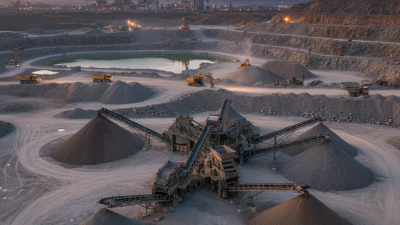
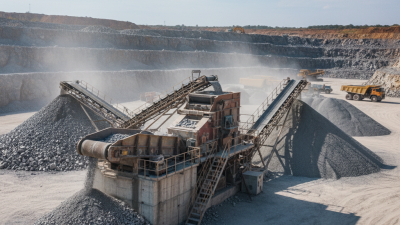
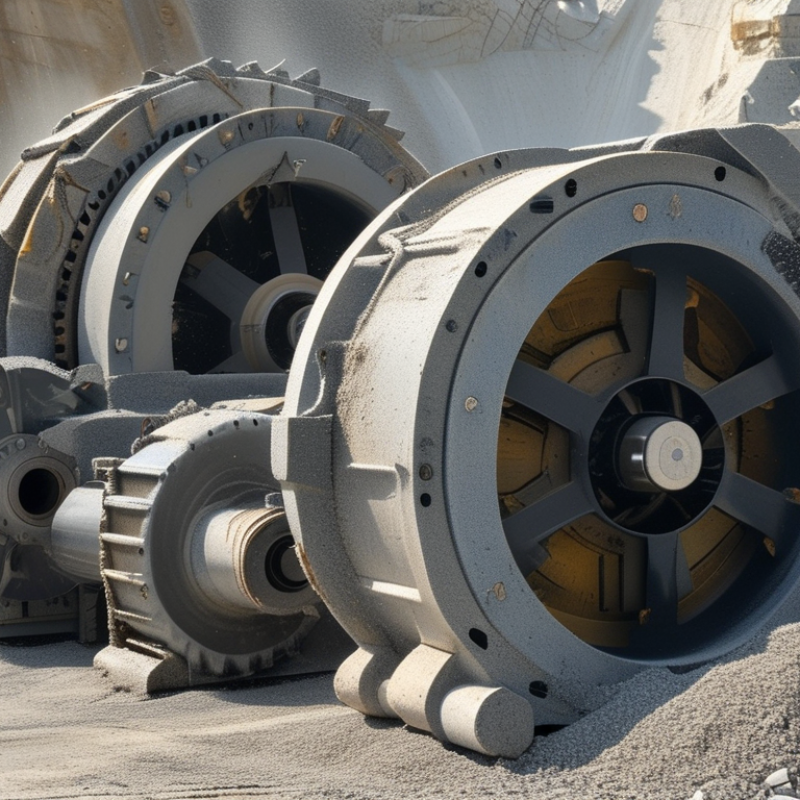
Gravel crushers reduce large rock into controlled sizes through compression, impact, or abrasion. A feeder delivers raw stone into the primary chamber. The crushed material then passes through screens, where oversized pieces return for another cycle. This closed-loop process improves grading accuracy, although worn liners can change the final product unexpectedly.
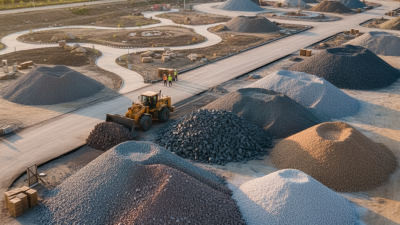
The U.S. Geological Survey reported about 1.5 billion metric tons of crushed stone produced in the United States in 2023. It also recorded approximately 960 million metric tons of construction sand and gravel. These figures show why reliable crushing systems matter. Quarries use them for concrete aggregates, road base, railway ballast, and drainage layers. Mobile units suit changing work sites. Stationary plants usually support higher, steadier output.
Dust suppression, noise control, and energy use deserve equal attention. The Global Aggregates Information Network identifies aggregates as one of the world’s largest mined material groups, with demand closely tied to infrastructure investment. Actual performance still depends on rock hardness, moisture, feed size, and operator settings. Laboratory tests help, but field conditions can disagree. That is an uncomfortable limitation. Global buyers should examine production records, wear-part data, safety procedures, and independent testing before comparing manufacturers. A low purchase price may hide frequent stoppages, excessive fines, or costly maintenance.
How China’s Leading Gravel Crusher Manufacturers Are Evaluated
Evaluating China’s leading gravel crusher manufacturers requires more than comparing catalog prices. Global buyers need evidence from design, production, testing, and after-sales support. An experienced review starts with the quarry’s actual conditions. Feed size, moisture, rock hardness, and required output must be recorded. Photos help, but measured samples are better. Small details matter. An established factory should explain its crushing chamber, motor selection, and wear-part strategy clearly. Vague promises weaken trust.
Technical competence becomes visible during performance verification. Request factory test data showing capacity, product shape, power use, and noise levels. If possible, inspect a running machine through a live video or scheduled visit. Look for stable feeding, clean conveyor transfer, and safe access around moving parts. Ask how often key components need adjustment. Ask harder questions. Reliable manufacturers provide drawings, manuals, spare-part lists, and installation guidance in usable English. Independent quality records and material certificates add useful evidence, though paperwork alone proves little. That point is easy to forget.
Commercial evaluation should include communication speed and problem-solving discipline. Can the engineering team revise a layout after site measurements change? Does the quotation identify steel grades, warranty limits, delivery terms, and excluded items? Clear answers reveal professional habits. Past buyer references can confirm whether promised output matched field results. Still, references may be selective. I would keep a risk list covering corrosion, delayed parts, training gaps, and unexpected maintenance costs. Perfect evaluations are unrealistic. That uncertainty deserves a written response before any purchase order is signed.
How China’s Leading Gravel Crusher Manufacturers Are Evaluated
Global buyers typically assess gravel crusher manufacturers across technical performance, operating economics, customization capability, compliance, and long-term service support. The chart presents a practical 100-point evaluation framework without comparing individual companies or brands.
Crushing performance and equipment reliability receive the highest weighting because they directly affect output quality, uptime, and project profitability. Lifecycle cost, customization, compliance, and after-sales support are also essential for stable operation in international markets.
Profiles of China’s Top Ten Gravel Crusher Manufacturers
China’s top ten gravel crusher manufacturers serve different project realities. One focuses on compact jaw crushers for small quarries. Another builds heavy-duty primary units for hard granite. A third combines cone crushers with automated setting control. Its systems suit continuous aggregate production.
The fourth manufacturer develops impact crushers for shaped highway stone. The fifth supplies mobile plants with tracked frames and quick relocation features. A sixth specializes in screening and crushing lines for river gravel.
The seventh provides low-energy equipment for medium-sized contractors. A quieter eighth designs dust-control packages and enclosed transfer points.
The ninth manufacturer is known for customized production lines, including feeders, conveyors, and washing units. The tenth supports export projects with multilingual manuals, spare-part planning, and remote commissioning.
These profiles should not be judged by catalog size alone. Site tests matter. I would inspect bearing temperature, liner wear, product grading, and access to service technicians. A polished quotation can still hide weak after-sales support.
In one practical review, transport dimensions changed the entire purchasing decision. That detail is easy to miss. Buyers should request recent operating references, factory inspection records, electrical standards, and realistic output data before comparing prices. Some specifications remain difficult to verify remotely. Independent testing is still worthwhile.
How Global Buyers Can Select and Purchase the Right Supplier
China Top 10 Gravel Crusher Manufacturers for Global Buyers
Choosing a gravel crusher supplier requires more than comparing online rankings. Global buyers should examine manufacturing experience, product testing, and after-sales support. A reliable supplier can provide material-flow data, motor specifications, wear-part details, and recent project references. Ask for test results using stone similar to your own feedstock. Limestone and river gravel can behave very differently inside the same machine.
Tips:
Request a complete quotation, not only the crusher price. Check capacity, discharge size, power consumption, spare parts, packaging, and delivery terms. Ask whether installation guidance and operator training are included. Small omissions often become expensive later. I have seen buyers focus on initial cost and overlook replacement blow bars, liners, or electrical requirements.
Before placing an order, verify factory capacity through video inspection or an independent visit. Review quality-control records and confirm how final assembly is checked. Discuss payment stages clearly, with inspection linked to measurable requirements. The contract should define output, noise limits, component standards, warranty coverage, and response times. Do not accept vague promises. They create confusion.
A practical supplier comparison table can reveal weaknesses quickly. Record production time, test procedures, technical documents, and communication speed. Also compare export experience with your destination’s import procedures. A supplier may offer excellent equipment but weak logistics coordination. That does not automatically make the supplier unsuitable, but it demands stronger planning and written confirmation. Reliable purchasing is rarely perfect. It improves through careful questions, evidence, and a willingness to reconsider assumptions.