Top 10 Tips for Buying a Jaw Crusher Efficiently?
When purchasing a Jaw Crusher, clarity and knowledge are vital. This essential piece of equipment plays a key role in mining and construction projects. Efficiently acquiring a Jaw Crusher can boost productivity and enhance operations. With numerous manufacturers and models available, making an informed decision is crucial.
Buyers often overlook critical factors. They focus too much on price without considering performance. A reliable Jaw Crusher should offer longevity and efficiency. It is essential to assess the durability and maintenance needs of each model. Each choice features unique specifications that can greatly impact output.
Additionally, navigating the purchase process can be overwhelming. There are common pitfalls even experienced buyers encounter. Understanding your specific needs is crucial before exploring options. Ultimately, a well-informed choice can lead to significant cost savings and operational success in the long run.
Understanding Your Crushing Needs and Applications
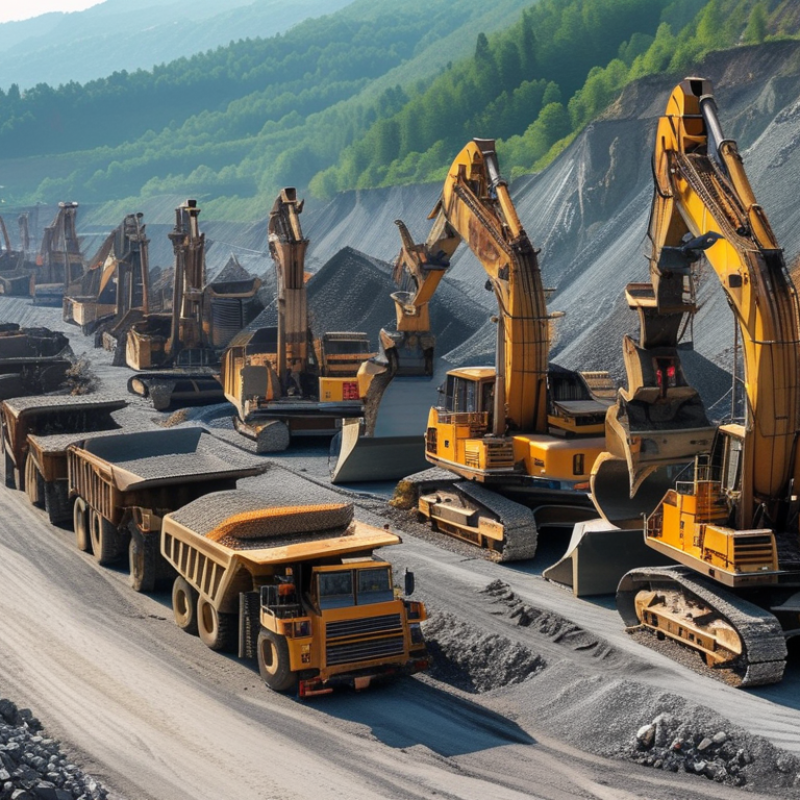
When considering a jaw crusher, understanding your crushing needs is paramount. Different materials require different approaches. For example, crushing hard rocks demands a more robust machine than handling softer materials. Analyze the type of materials you will be processing. This will influence the selection of your jaw crusher significantly.
Local conditions also play a critical role. If you operate in a remote area, a portable jaw crusher might be more effective. Ensure it can handle your specific site conditions. Consider your production goals and adjust the specifications accordingly. Matching your crusher’s capacity with your needs is crucial. Underestimating your needs can lead to inefficiencies.
Lastly, keep maintenance in mind. Regular checks and balances ensure longevity. A machine that is easy to service will save you time and money. Monitor your crushing operations to refine your equipment choice. Embrace feedback from your team to adapt and improve. It’s important to be open to reevaluating your initial decisions.
Evaluating Different Jaw Crusher Types and Features
When selecting a jaw crusher, understanding the different types is essential. There are several designs tailored to specific needs. Common types include single-toggle and double-toggle jaw crushers. Each has unique features impacting performance and efficiency. For instance, single-toggle crushers are often lighter and more compact, making them suitable for smaller spaces. In contrast, double-toggle models usually offer a more robust performance for larger operations.
Evaluating jaw crusher features is crucial. Look at the size of the feed opening, as it determines the size of material that can be processed. An adjustable discharge setting adds flexibility in production. Also, consider the construction materials. A well-built crusher will withstand harsh conditions and heavy use. Easy maintenance features are also pivotal. Long-term reliability enhances productivity.
When buying a jaw crusher, it's essential to not rush the decision. Take your time to compare different options. Understand your specific needs regarding volume and material. Speak with industry experts for insights. They can guide you in evaluating the performance of various models. Make sure to reflect on your current operations to avoid over-investing in unnecessary features.
Assessing Quality and Durability of Jaw Crusher Materials
When assessing the quality and durability of jaw crusher materials, consider the type of steel used in their construction. High-quality steel can significantly impact the lifespan and performance of the crusher. Look for wear-resistant alloy steels that can endure harsh operational conditions. The thickness of the material is another critical factor. Thicker plates generally offer more strength but may affect the weight and the overall performance of the machine.
Examine the jaw design as well. Some designs improve the crushing efficiency, enhancing the product's strength. The finish of the material also matters. A smooth finish may lead to easier maintenance and less wear over time. Additionally, inspect the welds; they should be robust, as weak points here can lead to failures and costly repairs.
Finally, it's essential to verify the material certification documents. Manufacturers should provide comprehensive specifications regarding the materials used. This paperwork can reveal the true durability of the jaw crusher. Make note of discrepancies and question any vague claims. Quality assurance is crucial for reliable equipment that stands the test of time.
Top 10 Tips for Buying a Jaw Crusher Efficiently
| Tip No. |
Tip Description |
Material Quality |
Durability Rating |
Maintenance Cost |
| 1 |
Inspect the material used for the jaw plates |
High-grade steel |
8/10 |
Moderate |
| 2 |
Check the weld quality |
Seamless joints |
9/10 |
Low |
| 3 |
Understand the wear characteristics |
Wear-resistant alloys |
7/10 |
Variable |
| 4 |
Evaluate the crusher design |
Engineered for efficiency |
8/10 |
Moderate |
| 5 |
Consider the feed opening size |
Optimized for material size |
8/10 |
Low |
| 6 |
Look for customer reviews |
Real-world performance |
9/10 |
N/A |
| 7 |
Assess the overall build quality |
Robust construction |
8/10 |
Moderate |
| 8 |
Check for spare parts availability |
Easily replaceable |
N/A |
Low |
| 9 |
Inquire about warranty and support |
Comprehensive coverage |
N/A |
N/A |
| 10 |
Discuss delivery and setup |
Timely assistance |
N/A |
Variable |
Comparing Manufacturer Reputation and Support Services
When considering a jaw crusher, manufacturer's reputation is crucial. A well-regarded manufacturer often stands behind their products. This means better support and service after the sale. You want a company that values its customers and maintains open lines of communication. Check for reviews and testimonials. They can provide insights into the quality of service.
Support services should not be overlooked. A reliable manufacturer offers comprehensive support. This includes technical assistance and timely maintenance services. It’s important to inquire about warranty options. A good warranty can indicate confidence in the product's durability.
An experienced manufacturer understands industry needs. They are more likely to provide tailored solutions. Yet, do your research. Some manufacturers may fall short in important areas like parts availability. Reflect on your specific needs and choose wisely. The right partner can make all the difference in efficiency and longevity.
Comparison of Jaw Crusher Manufacturers' Reputation and Support Services
Budgeting for Purchase: Costs and Long-term Investment Considerations
When considering the purchase of a jaw crusher, budgeting is crucial. The initial cost is just the tip of the iceberg. Consider ongoing expenses such as
maintenance, power consumption, and spare parts. These costs can accumulate quickly, impacting your overall return on investment.
It’s essential to research these factors thoroughly before making a purchase.
Another key consideration is the long-term investment perspective. A cheaper model may save you money upfront, but it could lead to higher operating costs or frequent repairs.
Assess the efficiency and durability of different models. Sometimes, investing a little more initially pays off in reliability and performance later.
Don't overlook the importance of warranty and support services. These can greatly influence the lifespan of your machinery and your bottom line.
Ultimately, reflect on your specific needs and operational goals.
Will a more expensive model provide better throughput?
Will it withstand the demands of your specific application? Take time to weigh these questions carefully.
Investing in the right jaw crusher can significantly enhance productivity.
But heed the risks involved with inadequate planning and research.
This investment deserves critical thought and a well-structured budget.