Why Choose a Single Toggle Jaw Crusher for Your Business?
In today's competitive market, the decision to invest in a **Single Toggle Jaw Crusher** holds significant importance. Industry statistics indicate that these machines account for over 30% of the global jaw crusher market, highlighting their popularity and reliability. Leading experts, such as Dr. James R. Thompson, a renowned mechanical engineer, noted, "The Single Toggle Jaw Crusher combines simplicity and efficiency, making it an excellent choice for crushing applications."
One reason businesses opt for this type of crusher is its lower operational costs. The **Single Toggle Jaw Crusher** is designed for high productivity and low maintenance. According to a report by the International Journal of Engineering and Technical Research, these crushers are known for delivering up to 25% more output compared to their counterparts. This efficiency can directly improve profitability.
While the advantages are clear, some drawbacks exist. The initial investment can be higher than expected. Furthermore, improper handling may lead to operational inconsistencies. Therefore, making an informed decision is crucial. Overall, the **Single Toggle Jaw Crusher** remains a valuable asset for businesses focusing on efficient material processing.
Understanding the Mechanics of Single Toggle Jaw Crushers
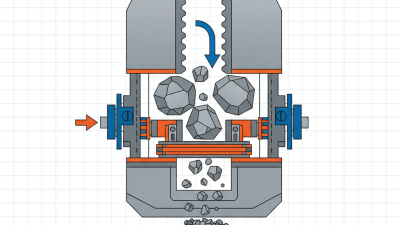
Single toggle jaw crushers offer unique mechanics that display a distinct advantage in various applications. Their design primarily features a movable jaw suspended on a single hinge. This results in a simpler structure and fewer parts, making maintenance relatively easy. According to industry data, the single toggle design can provide up to 30% higher throughput compared to multiple toggle models, especially in primary crushing tasks.
The mechanics also allow for a more effective crushing action through a linear motion. This not only maximizes the crushing force but also reduces energy consumption. Reports indicate that single toggle jaw crushers can achieve energy savings of up to 20% due to their efficient design. However, operators should be aware that while these crushers excel in productivity, they can sometimes compromise on the size reduction ratio when processing certain materials.
In practice, the operational efficiency of these machines can vary based on material type and size. It is crucial for businesses to consider factors like material hardness and expected output when selecting a crusher. Despite their advantages, businesses may face challenges like inconsistent feed quality affecting the overall performance. This requires ongoing assessment and adjustments to ensure optimal results.
Advantages of Single Toggle Jaw Crushers Over Other Types
Single toggle jaw crushers offer distinct advantages for businesses in various industrial sectors. They are known for their simple design, which translates into less maintenance and operational costs. The unique mechanism allows for a powerful crushing action, effectively breaking down even the toughest materials. This design reduces the risk of jamming and provides a smoother operational flow.
One key benefit is their ability to handle larger feed sizes compared to double toggle models. This capability boosts productivity on-site, enhancing overall project efficiency. Additionally, the single toggle jaw crusher is easier to set and adjust, providing greater flexibility in production. As a result, businesses can cater to diverse customer needs with ease.
Tips: Regular maintenance checks are crucial. Ensure that all components are in working order. Pay attention to wear and tear, especially on the jaw plates. This will help in prolonging the life of your equipment. A well-maintained machine not only performs better but also saves costs in the long run. While single toggle jaw crushers have many perks, it's essential to assess your specific application's needs. Not every crusher type suits all scenarios, and careful consideration will lead to better choices for your business.
Key Applications for Single Toggle Jaw Crushers in Various Industries
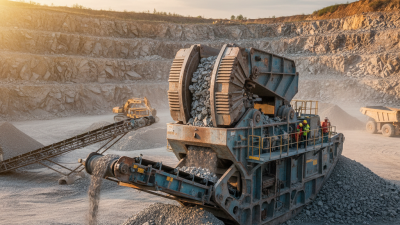
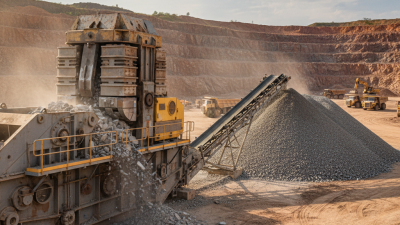
In the construction and mining industries, single toggle jaw crushers play a vital role. They are known for their simplicity and efficiency. These machines are particularly useful in primary crushing, where larger rocks are broken down into manageable sizes. Their design allows for a more straightforward mechanism, making maintenance easier. This reliability is crucial for projects that face tight deadlines.
The recycling industry also benefits from single toggle jaw crushers. They can process various materials, such as concrete and asphalt. This versatility supports sustainable practices. By breaking down old materials, companies can reuse resources efficiently. However, the power of these crushers means they require skilled operators. Poor handling may lead to equipment wear and operational delays.
In the quarrying sector, these crushers excel in hard rock applications. Their robust structure ensures they can handle tough materials. Still, operators should monitor performance closely. Overlooking maintenance can result in unexpected downtime. Evaluating operational effectiveness regularly is important. This reflection can lead to improved productivity and less waste.
Why Choose a Single Toggle Jaw Crusher for Your Business? - Key Applications for Single Toggle Jaw Crushers in Various Industries
| Industry |
Application |
Key Benefits |
Typical Output (ton/hour) |
| Mining |
Ore Crushing |
High reduction ratio, durable design |
50 - 400 |
| Construction |
Recycled Concrete |
Environmentally friendly, efficient |
30 - 300 |
| Aggregates |
Stone Crushing |
High capacity, low maintenance |
70 - 500 |
| Demolition |
Building Material Reduction |
Compact design, powerful crushing |
20 - 200 |
| Mining |
Coal Crushing |
Cost-effective, robust construction |
40 - 350 |
Factors to Consider When Selecting a Single Toggle Jaw Crusher
When selecting a single toggle jaw crusher, several critical factors come into play. The nature of the material being crushed is paramount. For instance, hard stones like granite require sturdier machines than softer materials such as limestone. Data from industry reports indicate that single toggle crushers excel in applications where high throughput is essential, delivering high reduction ratios with less power consumption.
Durability and maintenance are other factors to consider. Single toggle jaw crushers typically have fewer components than double toggle models. This simplicity often translates to lower maintenance costs and longer operational lifespans. However, users should be mindful of wear patterns and regularly inspect jaw plates. Skipping maintenance can shorten the lifespan of the equipment significantly.
**Tips:** Always assess the energy efficiency of the crusher. It plays a crucial role in operational costs. Another recommendation is to consider the size of the feed opening. A larger opening can handle bigger materials, but it may require more power. Proper selection ensures optimized performance. Investing time in learning about features and capabilities will pay off in the long run.
Reasons to Choose a Single Toggle Jaw Crusher
Maintenance Tips for Optimal Performance of Single Toggle Jaw Crushers
Single toggle jaw crushers are renowned for their simplicity and efficiency. However, proper maintenance is crucial for optimal performance. Regular inspections can help identify wear and tear before it leads to significant issues. According to the Journal of Materials Processing Technology, poorly maintained crushers can decrease productivity by up to 30%. This statistic underlines the importance of a well-planned maintenance routine.
Keeping lubrication systems intact is vital. Using the correct type of oil prevents friction and wear on moving parts. The efficiency of the machinery can degrade rapidly if lubrication is ignored. Additionally, checking for alignment and wear on the jaw plates regularly is essential. Statistics show that misalignment can cause uneven wear, costing companies thousands in repairs.
Operators should also be mindful of the equipment's operational limits. Exceeding these can lead to premature failures. Incremental adjustments may be necessary for different materials. An understanding of the material properties can enhance crusher lifespan. This awareness among operators can reduce downtime and lower maintenance costs in the long run. Hence, making adjustments based on observations is often wiser than sticking to a rigid plan.