What is Stone Jaw Crusher and How Does it Work?
The Stone Jaw Crusher is a pivotal tool in the mining and construction industries. Its primary function is to crush various materials, including rocks and ores. According to a 2021 report by Research and Markets, the global jaw crusher market was valued at approximately $1.8 billion, demonstrating significant industry growth. This tool is essential for reducing material sizes, thus enhancing the efficiency of production processes.
Understanding how a Stone Jaw Crusher operates is crucial for industry professionals. It utilizes a simple design, featuring a fixed jaw and a movable jaw. This movement creates a crushing action that compresses the material. While efficient, it is important to note that not all models perform equally. Factors such as capacity and maintenance affect operational success.
In an industry where equipment reliability is paramount, the Stone Jaw Crusher remains a cornerstone. However, there are challenges, including wear and tear that can impact performance. Regular maintenance and evaluation are necessary to ensure longevity. This underscores the importance of expertise in selecting the right machine for specific applications. Understanding these intricacies fosters better operational decisions and enhances overall productivity.
Overview of Stone Jaw Crusher: Definition and Purpose
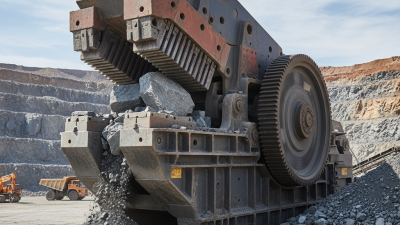
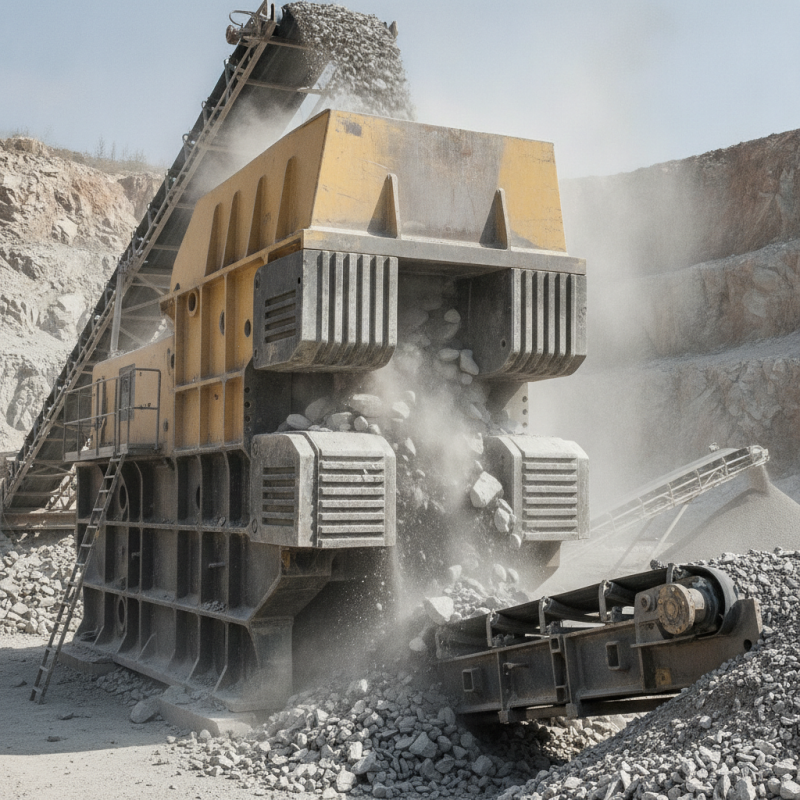
A stone jaw crusher is a crucial piece of equipment in the mining and construction industries. It functions by compressing materials between two jaws, which creates a powerful crushing action. This machine is designed to break down the hardest stones and ores into manageable sizes. The purpose of a jaw crusher is not only to size material but also to enhance the overall efficiency of material handling processes.
According to industry reports, the global stone crushing equipment market is projected to reach $8.5 billion by 2025, driven by rising demand in various sectors. Jaw crushers contribute significantly to this growth due to their robust design and versatility. They are typically used in aggregate production, mineral processing, and recycling. The efficiency of stone jaw crushers can be improved by optimizing feed size and using the right settings, promoting effective energy usage.
Tips: Regular maintenance can prolong the life of your jaw crusher. Inspecting parts and following manufacturer guidelines are essential. Ensure that operators are trained to handle the machinery safely. This not only improves efficiency but minimizes accidents on site. Remember, even a well-designed machine requires care and attention for optimal performance.
Key Components of a Stone Jaw Crusher and Their Functions
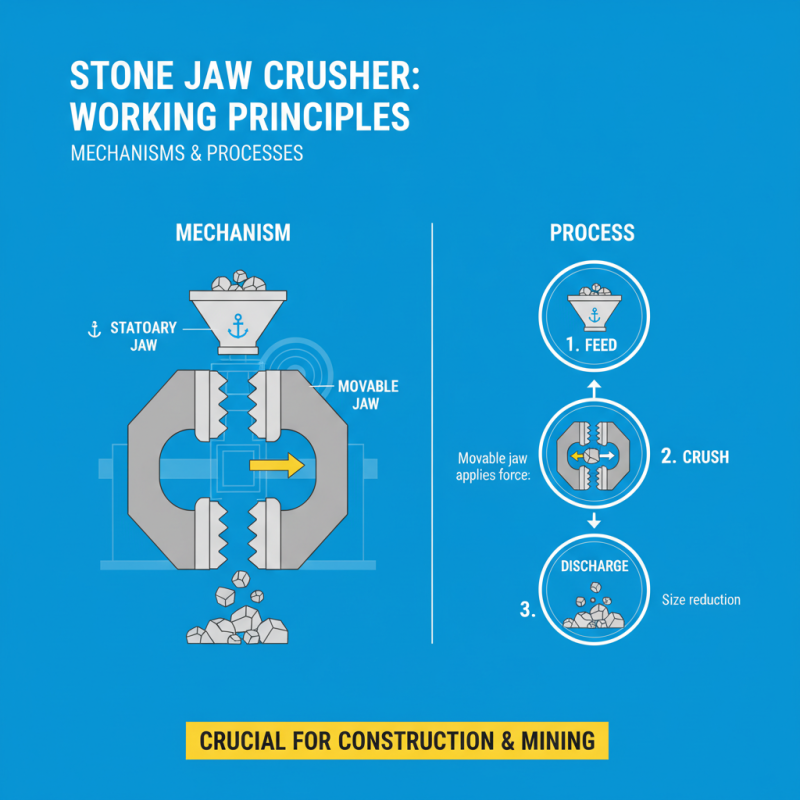
The stone jaw crusher is a vital machine in the construction and mining industries. It primarily consists of a fixed jaw and a movable jaw, both shaped like a curved surface. The fixed jaw remains stationary while the movable jaw rocks back and forth, creating a crushing action. These two components work together to crush stones and various ores into manageable sizes for further processing.
Another key component is the toggle plate, which connects the movable jaw to the mainframe. It plays a crucial role in ensuring the efficient operation of the jaw crusher. The toggle plate absorbs the shocks and impacts from the crushing material, providing stability. It is critical that the toggle plate is inspected regularly for wear. Failure to do so can lead to breakdowns and costly repairs.
The motor is another essential part of the stone jaw crusher. It powers the entire mechanism, driving the jaws to move. Various motor sizes can impact performance and energy efficiency. Once in operation, vibrations can occur. These vibrations can indicate misalignment or wear, which should be addressed promptly. Recognizing and rectifying such issues can prevent significant downtime and maintain operational efficiency.
Performance of Stone Jaw Crusher Components
Working Principles of Stone Jaw Crusher: Mechanisms and Processes
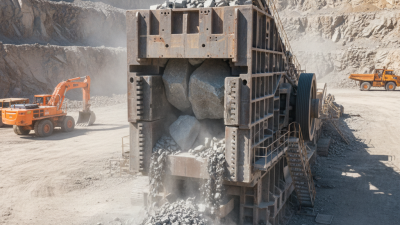
The stone jaw crusher operates on fundamental mechanical principles. It employs a simple mechanism where a movable jaw exerts force on material, breaking it down. The crushing action occurs in a chamber created by the stationary and moving jaws. When the movable jaw approaches the fixed jaw, the rocks are crushed and reduced in size. This process is crucial in construction and mining.
As the jaw moves, a gap opens and closes, allowing materials to pass through. The size of the output can be adjusted using a discharge opening. This flexibility is essential for various applications. However, the efficiency of this system may be affected by improper alignment or wear of components. Regular maintenance is necessary to ensure optimal performance.
Operators often face challenges in maximizing output. This may stem from incorrect feed size or inconsistent wear patterns. Observing these effects can lead to insights for improved operation. Understanding the mechanical processes helps in troubleshooting common issues. By refining these mechanisms, one can enhance the stone jaw crusher's effectiveness.
Applications of Stone Jaw Crusher in Various Industries
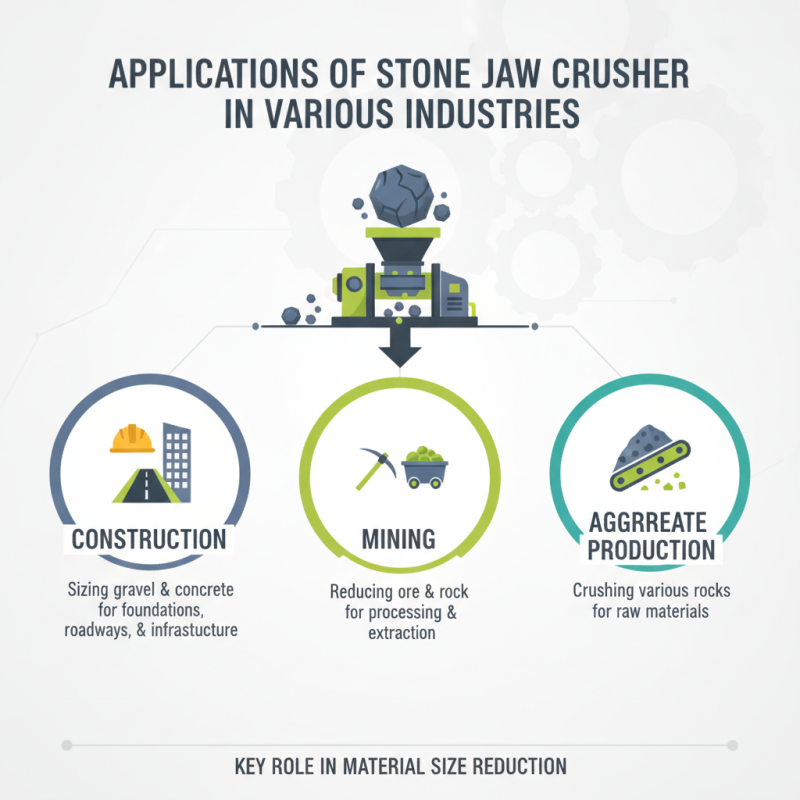
Stone jaw crushers play a vital role in various industries. They are primarily used to crush large stones into smaller, manageable pieces. This process is crucial for construction, mining, and aggregate production. In construction, they ensure that materials like gravel and concrete are properly sized for building foundations, roadways, and other infrastructure.
In the mining industry, stone jaw crushers facilitate the extraction of valuable minerals. By breaking down rocks, they enable easier access to ores. Additionally, they reduce the size of waste materials, improving overall efficiency. The aggregates produced are integral for asphalt and concrete production, ensuring strong and durable structures.
Tips: Always maintain your equipment. Regular checks help prevent unexpected breakdowns. Proper usage will also extend the life of your crusher. Safety protocols are essential when operating stone jaw crushers. Handling heavy machinery requires caution to avoid accidents.
Some operators may overlook the importance of sizing. Using appropriate jaw crusher settings is often underestimated. Miscalculating stone size can lead to inefficient processes. This can increase operational costs and diminish productivity. Awareness of these factors ensures that the equipment can work at its best.
Maintenance and Best Practices for Stone Jaw Crushers
Proper maintenance of stone jaw crushers is crucial for optimal performance. Regular inspections and maintenance ensure that the machinery operates smoothly and efficiently. Check for wear and tear on the jaw plates, as these components endure significant stress. A worn jaw plate can lead to reduced efficiency and increased energy consumption.
Tips: Always keep the work area clean. This helps prevent material buildup, which can interfere with operations.
Lubrication is vital for the longevity of the machine. Regularly grease moving parts to minimize friction and wear. Use the right type of lubricant to avoid damage. Over-lubrication can be as harmful as under-lubrication.
Tips: Implement a daily lubrication schedule. Consistency is key to avoiding breakdowns.
In addition to lubrication, ensure that all fasteners are tightened regularly. Loose components can cause misalignment and influence how effectively the crusher works. This should not be overlooked, as it can lead to larger issues down the line.
Tips: Create a checklist for regular inspections. Documenting findings can help identify patterns and predict maintenance needs.
What is Stone Jaw Crusher and How Does it Work? - Maintenance and Best Practices for Stone Jaw Crushers
| Dimension |
Value |
Importance |
Maintenance Tips |
| Feed size |
50-150 mm |
Determines the maximum size of material |
Ensure feed is properly sized to prevent jams |
| Output size |
Fine or coarse, adjustable |
Essential for meeting specifications |
Regularly check and adjust settings as needed |
| Capacity |
20-600 tons/hour |
Indicates production capability |
Monitor for optimal performance and load levels |
| Power |
15-220 kW |
Supports operational efficiency |
Regular checks on motor functions and belts |
| Weight |
1-90 tons |
Framework stability |
Ensure foundation is stable and secure |