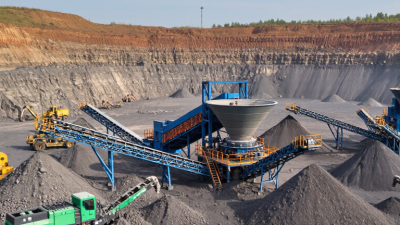
Choosing Rock Crushing Equipment in 2026 requires more than comparing machine prices. Quarry owners, contractors, and recycling operators must match each crusher to material hardness, feed size, production targets, and site conditions. Granite, recycled concrete, and limestone behave differently under pressure. The wrong choice can increase wear, dust, downtime, and fuel consumption.
This guide introduces a practical method for evaluating jaw crushers, cone crushers, impact crushers, and tracked systems. It considers output requirements, product shape, mobility, maintenance access, automation, and total ownership cost. Manufacturer specifications matter, but verified field data matters more. Check test results, liner life, power demand, and service support before signing an agreement. A clear inspection checklist can prevent expensive surprises.
Real sites rarely match laboratory assumptions. Moisture changes. Feed sizes vary. Operators make mistakes. No selection method is perfect. That matters. Reliable decisions combine supplier documentation, independent technical advice, and measurements from the actual application. Safety features, guarding, noise control, and dust management also deserve serious attention. Environmental expectations and energy costs may influence the best solution in 2026, even when two machines offer similar capacity.
The following sections explain how to define production needs, compare crusher types, estimate lifecycle costs, and assess emerging technologies. They also highlight common selection errors and questions worth asking suppliers. A careful choice should remain productive during difficult shifts, not only during a polished demonstration.
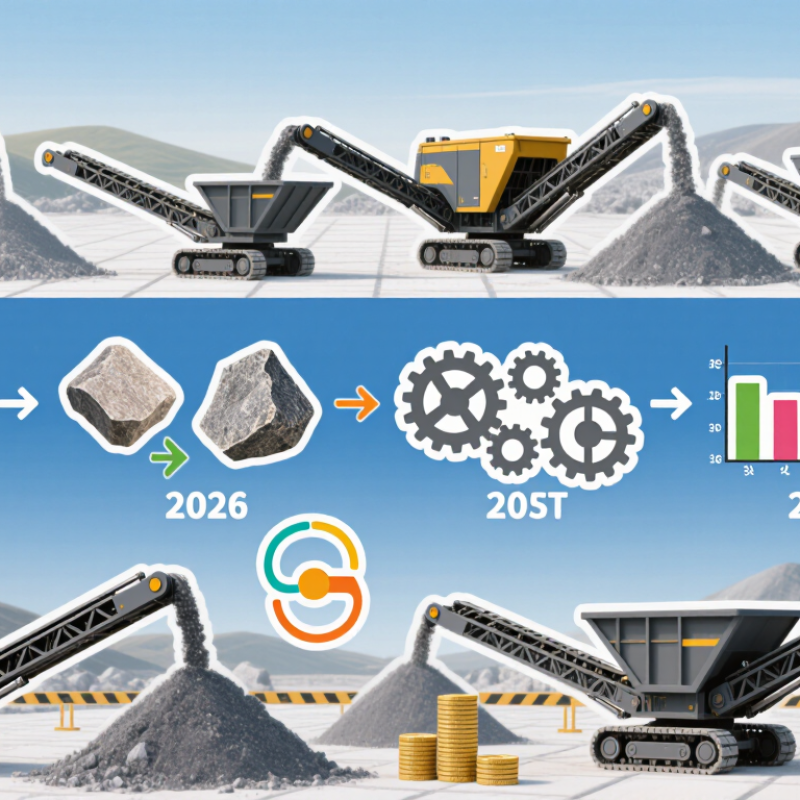
Define the job before comparing equipment. Will the plant produce road base, concrete aggregate, railway ballast, or manufactured sand? Each product needs a different particle shape, size range, and feed rate. The U.S. Geological Survey’s Mineral Commodity Summaries 2025 estimated U.S. crushed stone production at about 1.5 billion metric tons in 2024. High-volume operations cannot accept unstable output or frequent stoppages.
Study the rock, not just its name. Granite, limestone, basalt, and recycled concrete behave differently under compression and impact. Record hardness, abrasiveness, moisture, clay content, and maximum feed size. USGS data in Mineral Commodity Summaries 2024 estimated 2023 U.S. construction sand and gravel production at 960 million metric tons. That figure reflects a broad market, but your own feed sample matters more. A wet, sticky feed may need stronger screening and controlled feeding. A highly abrasive feed may sharply increase wear costs.
Use laboratory tests and a representative sample before selecting the crushing stages. Measure capacity at the required product specification, not at an ideal setting. Ask for energy use, liner life, adjustment range, dust controls, and maintenance access. A neat spreadsheet can still mislead you. Field conditions change. A short trial run may reveal unexpected fines, uneven shape, or feeding surges. Leave room for that uncertainty. The cheapest purchase can become the costliest decision when the material profile was guessed.
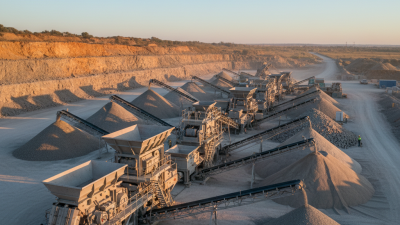
Choosing rock crushing equipment starts with the material, not the machine catalog. In site assessments, I check hardness, abrasiveness, moisture, feed size, and product shape. A jaw crusher handles primary reduction well, especially with large, irregular stones. It is simple, but its product often needs further shaping. For very hard, abrasive rock, a cone crusher suits secondary or tertiary duty. It usually produces a more consistent, cubical gradation. Not always.
Impact crushers work well with softer to medium-hard rock, recycled concrete, and applications needing cubical particles. Their high-speed impact can create excellent shape, but wear may rise with abrasive feed. A gyratory crusher fits very high-capacity primary duty, though its foundation demands are substantial. Production conditions matter as much as rock strength. Wet feed can blind screens and reduce effective capacity. A tight site may favor a compact plant, even if its theoretical output is lower. Measure the transfer points.
Match the crusher to the target product, hourly throughput, duty cycle, and available maintenance skills. Ask for test results using representative samples, not clean laboratory stone. Track liner wear, power draw, blocked chutes, and actual tons per hour for several weeks. These records reveal whether the chosen setting is realistic. My first estimate can be wrong. I have seen operators chase higher output and create excessive fines. More capacity is not always better. Leave room for seasonal moisture, uneven feeding, and occasional oversize rocks.
| Crusher Type | Typical Process Stage | Best-Suited Rock and Material | Recommended Feed Size | Typical Product Size | Typical Reduction Ratio | Indicative Capacity Range | Moisture and Abrasion Considerations | Key Advantages | Main Limitations | Best Production Conditions |
|---|---|---|---|---|---|---|---|---|---|---|
| Jaw Crusher | Primary crushing | Granite, basalt, hard limestone, river rock, recycled concrete, and other competent materials | Up to approximately 1,000–1,500 mm, depending on the feed opening and equipment configuration | Approximately 50–300 mm after primary crushing | About 4:1 to 8:1 | Approximately 50–1,500 t/h, depending on size, setting, and material density | Handles abrasive rock well. Sticky or clay-rich feed may cause bridging and plugging unless scalping or prescreening is used. | Simple design, strong compression crushing, suitable for hard rock, and comparatively tolerant of occasional oversize feed | Usually produces a less cubical product and may require secondary crushing for aggregate specifications | Primary crushing where the feed is large, hard, and irregular and reliable operation is more important than final particle shape |
| Gyratory Crusher | High-capacity primary crushing | Very hard, abrasive ores and large-scale quarry or mining materials | Often 500–1,500 mm or more, depending on the chamber and installation | Approximately 100–300 mm, depending on the closed-side setting | About 4:1 to 8:1 | Approximately 1,000–10,000+ t/h in large installations | Performs well with hard and abrasive material. Feed should be controlled to limit tramp metal and uncrushable objects. | Very high continuous capacity, good energy efficiency at large scale, and suitable for deep, uninterrupted feed | High capital cost, large foundation requirements, complex installation, and less suitable for small or intermittent operations | Large mines and quarries requiring continuous primary crushing at high throughput |
| Cone Crusher | Secondary, tertiary, or quaternary crushing | Hard and abrasive rock such as granite, basalt, and competent limestone; also suitable for many ores | Typically below 300 mm for secondary duty; finer feed is used for tertiary duty | Approximately 5–80 mm, depending on chamber type and setting | About 3:1 to 6:1 per crushing stage | Approximately 100–1,500 t/h, depending on equipment size and application | Works well with abrasive material. Excessive clay, wet fines, or poorly controlled feed can reduce capacity and increase liner wear. | Good reduction efficiency, consistent product grading, and strong performance in continuous hard-rock production | Requires controlled feed, correct chamber selection, and protection from tramp metal; product shape may vary with operating conditions | Secondary and tertiary stages where a stable product size and high availability are required |
| Horizontal Shaft Impact Crusher | Primary, secondary, or recycling crushing | Soft to medium-hard limestone, dolomite, gypsum, concrete, and asphalt; selected hard rock applications are possible | Typically below 800 mm, depending on rotor size and feed opening | Approximately 10–150 mm | About 10:1 to 20:1 | Approximately 100–1,000 t/h | Best with low-to-moderate abrasion. High silica content and highly abrasive rock can accelerate blow-bar and impact-liner wear. | High reduction in one stage, good cubical particle shape, and effective liberation of adhered material in recycling applications | Wear costs can be high with abrasive feed; excessive moisture and sticky clay may reduce flow through the crushing chamber | Applications prioritizing cubical aggregate shape, high reduction, or concrete and asphalt recycling |
| Vertical Shaft Impact Crusher | Tertiary or quaternary shaping | Hard, abrasive rock such as granite and basalt; suitable for manufactured sand and particle shaping | Usually below 50–100 mm, depending on rotor design and feed arrangement | Approximately 0–10 mm, with a high proportion of fine and cubical particles | About 4:1 to 8:1 | Approximately 80–600 t/h | Can process abrasive materials, but wear parts require regular inspection. High moisture or clay contamination can interfere with material flow. | Excellent particle shaping, useful for manufactured sand, and effective for improving cubicality and surface texture | Usually consumes more energy than compression crushers for the same duty and is not normally selected for large primary feed | Final shaping, manufactured sand, and high-quality aggregate production after material has already been reduced |
| Hammer Crusher | Primary or secondary crushing | Soft to medium-hard limestone, marl, gypsum, coal, shale, and other materials with relatively low abrasion | Typically below 500–1,000 mm, depending on rotor and grate configuration | Approximately 5–100 mm | About 10:1 to 25:1 | Approximately 50–1,000 t/h | Moisture and clay can cause blockage. High-silica or highly abrasive feed may cause rapid hammer and liner wear. | High reduction in a compact machine, simple flow sheet, and good performance with friable materials | Not recommended for very hard, highly abrasive rock or feed containing frequent uncrushable metal objects | Soft-rock plants where a high reduction ratio and relatively fine product are required in a compact process |
| Double-Roll Crusher | Primary or secondary crushing | Coal, soft to medium-hard limestone, salt, shale, and controlled-feed industrial minerals | Typically below 500–800 mm, depending on roll diameter and tooth or smooth-roll design | Approximately 10–100 mm | About 3:1 to 6:1 | Approximately 50–1,500 t/h | Can tolerate some wet or sticky material better than many impact machines, but excessive clay may still cause buildup. Not ideal for very abrasive rock. | Relatively low fines generation, predictable top size, compact layout, and controlled crushing action | Lower reduction than impact crushers and generally unsuitable for very hard, highly abrasive rock | Applications requiring controlled sizing, limited fines, and moderate capacity with soft or moderately hard feed |
| Mobile Crushing Plant | Primary, secondary, or complete multi-stage process | Quarry rock, construction waste, demolition concrete, asphalt, and temporary mine or infrastructure projects | Depends on the installed jaw, impact, or cone crusher; commonly ranges from 300–1,000 mm for primary units | Approximately 0–300 mm, depending on the crushing and screening configuration | Depends on the crusher installed in the plant | Approximately 100–1,000 t/h for many common configurations | Material selection remains critical. Dust, mud, steel contamination, and excessive moisture require appropriate feeding, screening, and separation systems. | Easy relocation, reduced haulage distance, flexible deployment, and lower need for permanent civil works | Limited by transport dimensions, fuel or power logistics, site access, and potentially lower capacity than very large stationary systems | Short-term projects, multiple extraction areas, road construction, demolition sites, and operations where material must be processed close to the source |
Capacity should match the feed stream, not the brochure rating. The USGS Mineral Commodity Summaries 2025 estimates U.S. crushed stone production at about 1.5 billion metric tons. That scale makes small efficiency losses expensive. Record hourly feed, moisture, hardness, and truck delays for at least one representative week. Then select a crusher with practical capacity above the average demand. Avoid excessive oversizing. It increases purchase cost and may reduce utilization.
Product size controls the whole circuit. Define the required top size, fines percentage, and grading tolerance before comparing machines. A tighter final specification may require more screening or a second crushing stage. Measure energy in kWh per tonne, not only motor power. The IEA’s energy-efficiency indicators place industry at roughly 37% of global final energy demand. Crushing is only one part, but its continuous load matters. Track power, wear parts, labor, water, and downtime together. A spreadsheet can still lie.
Tips: Request a test sample using your actual rock. Check the discharge after one hour, not five minutes. Include liner replacement time in operating-cost estimates. Inspect dust-control and access points on site. Real sites are messier. I would also challenge optimistic recovery assumptions, because wet feed and unplanned stoppages often change the result. Cite every estimate, and revisit it after commissioning.
Choosing rock crushing equipment in 2026 requires more than comparing output figures. On a recent site review, I watched operators inspect guards before feeding stone. That small routine exposed a loose access panel. Safety features should be visible, reachable, and tested. Emergency stops must be easy to identify, while interlocked doors should prevent operation during access. Dust suppression matters near populated work areas. Good lighting, clear walkways, and low-noise design also reduce daily exposure. Never treat a safety label as protection.
Maintenance needs become obvious after the first hard week. Ask how quickly workers can reach belts, bearings, screens, and wear liners. A machine requiring special tools for every adjustment may lose valuable hours. Check lubrication points, inspection windows, and spare-part availability. Review service records from comparable operations, not only laboratory claims. Short inspections help. Operators should record unusual vibration, rising temperature, and uneven product size. These clues often appear before a failure. Still, checklists are imperfect; rushed crews can miss a cracked bolt or blocked spray nozzle.
Durability depends on rock hardness, moisture, feed size, and daily loading. Heavy frames alone do not guarantee long service. Look for protected electrical components, reinforced wear zones, and corrosion-resistant surfaces. Ask for evidence from dusty, wet, and abrasive sites. I would also test access during a planned shutdown, when the machine is cold and safe. A practical trial can reveal awkward steps that specifications hide. Choosing equipment is partly technical judgment, and partly admitting what your site has not measured yet.
Compare safety features, maintenance needs, and equipment durability before selecting a crusher.
The chart uses a manufacturer-neutral comparative score from 1 to 10. Safety considers guarding, emergency-stop access, lockout points, and dust-control compatibility. Maintenance considers liner access, inspection frequency, and service complexity. Durability considers frame strength, wear-part life, and tolerance for continuous-duty operation. Actual performance depends on material hardness, feed size, operating conditions, and maintenance quality.
Choosing crushing equipment for 2026 starts with the supplier, not the catalog. A capable supplier should study your rock, target capacity, product sizes, and working hours. Ask for test results using material similar to yours. Request references from sites with comparable moisture, abrasiveness, and climate. Reliable advice includes limitations, not only attractive production figures. I have found that vague answers usually create expensive changes later. Keep it practical.
Before signing, confirm drawings, delivery dates, warranty terms, and technical support. The supplier should provide a written installation plan for 2026 operations. It should show foundation loads, conveyor interfaces, electrical demand, access routes, and safety clearances. Walk the site with the installer before equipment arrives. Mark the foundation, drainage, stockpile zones, and crane position with paint. Leave room for maintenance. Check local weather windows and transport restrictions early. An overlooked access road can delay commissioning more than a factory issue.
During installation, record torque checks, alignment readings, cable tests, and trial-feed results. Train operators beside the actual controls, using normal and emergency procedures. Keep critical wear parts and sensors available before the first production shift. Do not accept commissioning based only on an empty-run test. Feed a controlled sample and compare output, energy use, and dust levels. The first plan may be wrong. Review it after two weeks, then adjust settings, inspection intervals, and staffing. That practical feedback often matters more than a polished proposal.