Top Tips for Choosing the Best Stone Crusher Machine?
Choosing the right Stone Crusher Machine is crucial for efficiency and productivity in mining and construction. The global stone crushing equipment market was valued at over $4 billion in 2020, with a projected CAGR of 3.2% through 2025. This data underscores the demand for quality machinery. As industry expert Dr. John Smith states, "The right machine can significantly reduce production costs while increasing output."
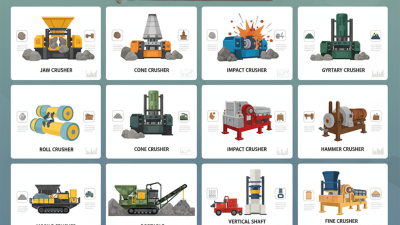
Understanding the types of stone crushers is essential. Jaw crushers, cone crushers, and impact crushers each serve different purposes based on the material properties and desired outcomes. Selecting a machine that aligns with specific project requirements can be challenging. Several factors must be considered, such as capacity, durability, and maintenance needs.
While many options are available, it's important to reflect on vendor credibility and support services. A reliable manufacturer should provide comprehensive warranties and timely technical assistance. Industry data suggests that regular maintenance can extend equipment life by up to 30%. This point emphasizes the need for careful selection and ongoing commitment to equipment upkeep.
Understanding Different Types of Stone Crusher Machines Available Today
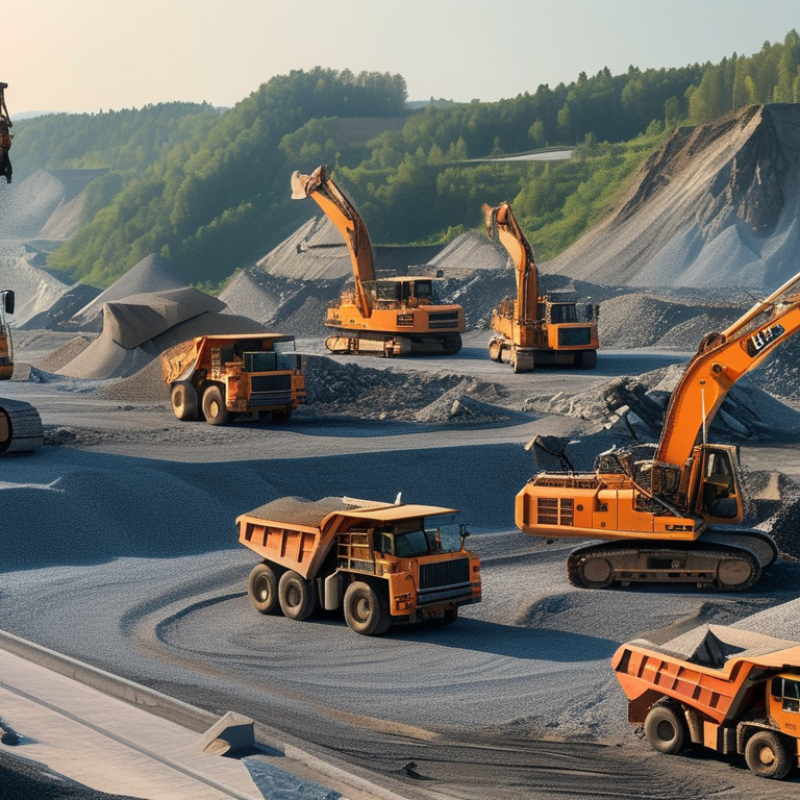
When selecting a stone crusher machine, understanding the various types available is crucial. Jaw crushers are popular for their simplicity and efficiency. They are ideal for primary crushing, handling large stones with ease. Cone crushers, on the other hand, are great for secondary crushing. They produce finer materials from smaller rocks. Each type has its unique benefits.
Consider the operating environment as well. For instance, if you are in a remote area, mobility becomes important. A compact portable crusher could be a good choice. Additionally, consider the power source. Diesel engines are robust but may not be suitable for all applications. Electric crushers are quieter and cleaner but may limit where you can use them.
It's essential to evaluate your needs carefully. Assess the stone size you will work with and understand your production goals. Price is often a consideration, but seek value over cheap options. A more expensive machine might offer better longevity and efficiency, saving costs in the long run. Proper research on features can greatly influence your decision.
Analyzing the Key Performance Metrics of Stone Crushers in the Industry
Choosing the right stone crusher machine requires careful analysis of performance metrics. Key metrics include efficiency, capacity, and durability. Efficiency directly impacts the output and operational costs for any project. A machine that can process material quickly saves time and labor.
Capacity refers to the volume of material a machine can handle. Selecting a machine that aligns with project demands is critical. Underestimating capacity can lead to operational delays. Durability plays a vital role in equipment longevity. Machines that withstand harsh conditions need less frequent repairs.
It’s essential to review real-world performance data. Feedback from industry professionals provides insights into machines' reliability. Performance in various environments may differ from vendor claims. Conducting thorough research ensures informed decisions. Understanding these metrics helps in selecting the best equipment for specific needs.
Evaluating Cost-Benefit Aspects of Various Stone Crusher Models
Choosing the right stone crusher machine involves a thorough evaluation of cost-benefit aspects. Various models in the market present distinct advantages and challenges. A report from the National Stone, Sand & Gravel Association highlights that operating costs can significantly impact profitability. These costs include maintenance, fuel consumption, and downtime. Understanding each model’s efficiency is crucial for making informed decisions.
When assessing machinery, consider hourly production rates. For instance, crushers offering higher capacity may seem advantageous at first glance. However, if they require extensive maintenance, the cost-benefit balance can tip unfavorably. According to industry projections, malfunctions generally incur around 15% of total operating costs. This statistic emphasizes the need for reliable models that minimize operational hiccups.
Moreover, technological innovations, such as automation, can influence initial investments. While advanced machines might have a higher upfront cost, they can lead to lower labor needs and improved safety. A recent analysis indicated that companies embracing automation experienced up to a 20% reduction in labor costs within the first year. Balancing these factors is essential for achieving long-term success in the stone crushing industry.
Cost-Benefit Analysis of Different Stone Crusher Machines
This bar chart presents a cost-effectiveness analysis of different stone crusher machines along with their output capacities. The metrics displayed will help in making informed decisions on which model to choose based on budget and performance.
Identifying Maintenance Requirements for Long-lasting Crusher Machines
When selecting a stone crusher machine, maintenance requirements are vital for ensuring longevity and performance. A recent industry report indicates that around 70% of equipment failures are linked to inadequate maintenance. Regular checks play a central role in early detection of wear and tear. Simple tasks, such as checking lubrication levels and examining belts, can prevent costly breakdowns.
It's essential to establish a maintenance schedule based on usage. For instance, some experts suggest that machines operating over eight hours daily require daily inspections. In contrast, lighter use might afford weekly checks. Users should also consider environmental factors. Dusty environments can increase wear. Regular cleaning can mitigate this risk. Some professionals recommend using dust suppression systems for optimal performance.
Monitoring the condition of critical components is crucial. For instance, jaw plates and liners often experience significant wear. Replacement at the first signs of damage can prevent more extensive issues. Investing in quality wear parts is also advisable; they can double the lifespan of the machine. Ultimately, a proactive maintenance approach ensures operational reliability and efficiency over time.
Leveraging Technology and Innovations in Modern Stone Crusher Designs
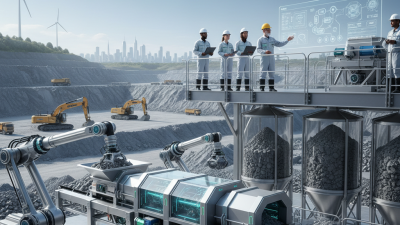
When considering the latest stone crusher machines, leveraging technology is crucial. Modern designs utilize advanced materials and innovative features to optimize performance. These developments enhance efficiency while reducing energy consumption. The use of automation and smart controls can also significantly improve operational precision.
Tips for choosing the right machine include evaluating your specific needs. Assess the material types you will process and the desired output size. Consider the machine’s throughput capacity, as it directly influences your productivity. Additionally, check the manufacturer’s reputation and customer reviews. This research can guide you to reliable options.
Another essential aspect is maintenance. Look for machines designed for easy upkeep. Regular maintenance ensures longevity and optimal performance. Some users overlook this, leading to costly repairs and downtime. Investing in technology is wise, but understanding your operational needs is equally important. Always weigh features against your specific requirements.