What to Consider When Buying a Mobile Jaw Crusher?
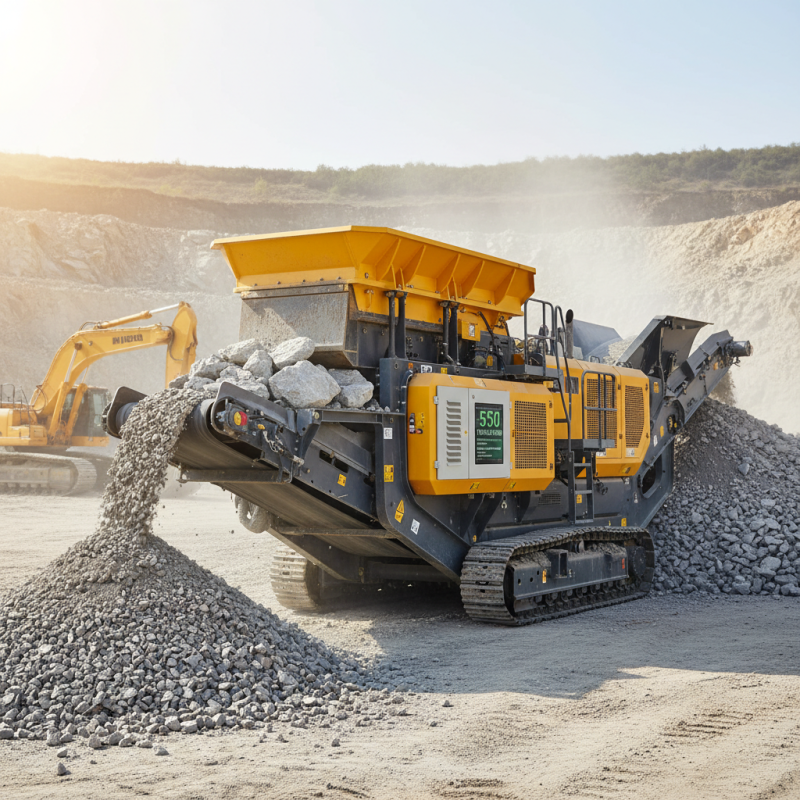
When considering a Mobile Jaw Crusher, several key factors come into play. This equipment is essential for various industries, making the right choice crucial. The complexity of options available can often overwhelm buyers. Therefore, it is important to understand specific needs before making a purchase.
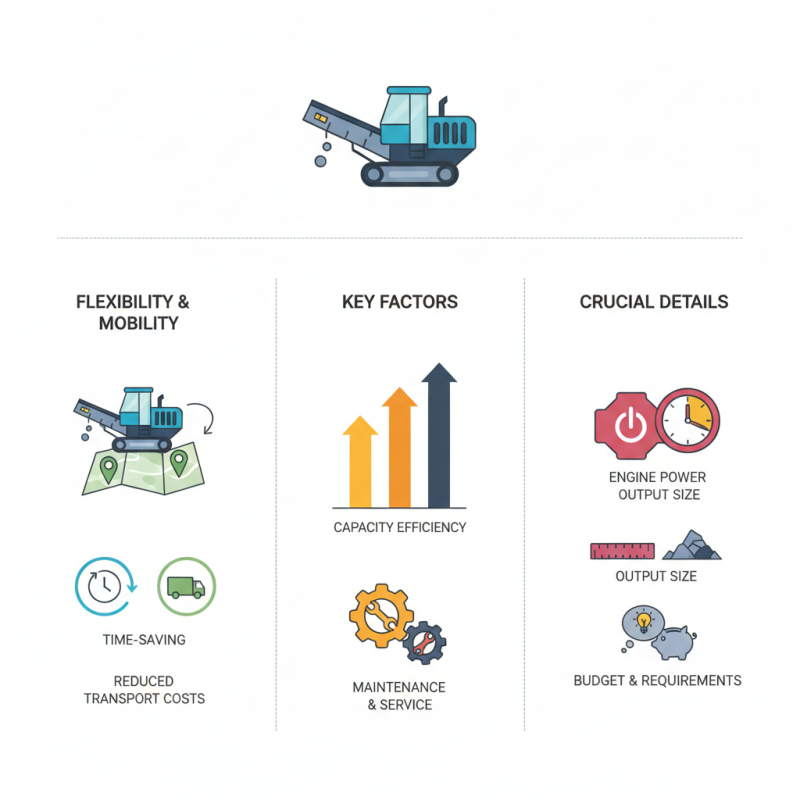
A Mobile Jaw Crusher offers flexibility and mobility, making it suitable for diverse job sites. Its ability to crush material on-location saves time and reduces transportation costs. Buyers should evaluate the crusher's capacity, efficiency, and durability. Furthermore, maintenance and service support from suppliers are vital for long-term reliability.
Many buyers tend to overlook specifics such as engine power and output size. These details can impact overall performance and costs significantly. Listening to expert opinions can offer valuable insights. However, it is equally important to reflect on individual project requirements and budgets when making a decision.
Factors Influencing the Selection of a Mobile Jaw Crusher
When selecting a mobile jaw crusher, various factors come into play. The crushing capacity is crucial. It determines how much material you can process in a given time. Understanding the type of materials you will crush is vital. Different materials require different crushing strengths and settings.
Another essential factor is portability. Mobile crushers are designed for easy transport. Consider the weight and dimensions. You also need to evaluate the terrain where you will operate the crusher. A heavy unit may not be suitable for rough surfaces.
Tips: Always check for customer reviews and expert opinions. Make sure to examine the warranty and customer support services. This helps ensure reliable operation over time.
Durability is another important aspect. Look for a robust design that can withstand harsh conditions. However, some models may compromise on build quality for features. Reflect on what matters most for your specific needs. Balancing features with quality can be challenging.
Lastly, consider the power source. Diesel or electric options come with their own pros and cons. Your choice may affect mobility and operating costs. Reflect on these elements carefully before making a decision.
Understanding Different Types of Mobile Jaw Crushers and Their Applications
When exploring mobile jaw crushers, it's crucial to understand their types and applications. Different models serve various industries. For instance, some crushers excel in recycling, while others focus on heavy-duty mining. Each type has distinct features that cater to specific needs. Knowing these differences can significantly impact your choice.
Tips: Assess your operational requirements. Consider factors like material type and production volume. This evaluation ensures you select the right model. Furthermore, understand the mobility aspect. Some crushers offer advanced tracking systems. This feature enhances efficiency on job sites.
Take time to reflect on your choices. Not all mobile jaw crushers will suit every project. Overlooking specific requirements can lead to poor investment. That said, connecting with industry experts can provide valuable insights. Engaging with professionals helps you avoid common pitfalls. It's also wise to read reviews and case studies. These resources offer practical examples that can guide your decision.
Key Technical Specifications to Evaluate in a Mobile Jaw Crusher
When considering a mobile jaw crusher, several key technical specifications require attention. One crucial factor is the crushing capacity. According to industry reports, the typical range for mobile jaw crushers is between 50 to 600 tons per hour. This capacity must align with your operational needs. Ensure that the model can handle your material types and volume efficiently.
Next, analyze the engine power. Most models feature engines ranging from 200 to 600 horsepower. Higher power typically equates to better performance and efficiency. However, this can also lead to increased fuel consumption. Striking a balance between power and fuel efficiency can be challenging. Look for data that specifies the fuel consumption rates for various models to make a more informed decision.
Another important specification is the feed size and discharge range. Crushers often accommodate materials varying from 20 inches to 48 inches for the feed size. Your choice should reflect the nature of your raw materials. Additionally, consider the jaw width and depth as these affect the size reduction ratios. An ideal model might show a reduction ratio of 6:1 to 8:1. It's essential to evaluate whether the specified parameter meets your project requirements effectively.
Importance of Mobility and Versatility in Crushing Operations
When exploring the choice of a mobile jaw crusher, one significant consideration is the importance of mobility and versatility. A mobile jaw crusher is designed for on-site processing, making it ideal for projects requiring flexibility. Transporting heavy equipment can be a hassle, but a mobile unit allows for easy relocation. This is particularly valuable for small to medium-sized operations where job sites may frequently change.
Versatility is crucial in crushing operations. Different materials require different approaches. A mobile jaw crusher can adapt to various tasks. It can handle rocks, concrete, and debris efficiently. The ability to process a range of materials on-site reduces transportation costs and time. However, not every crusher excels in every situation. Evaluating specific operation needs is essential for selecting the right model.
Choosing a mobile jaw crusher involves balancing efficiency and capability. A unit may be efficient but inadequate for larger rocks. Alternatively, a more robust machine might be cumbersome at smaller sites. It’s a delicate balance you're navigating. Several factors, including size, engine power, and jaw configuration, influence performance. Each choice impacts overall project efficiency. Thoughtful analysis and field testing can lead to a more informed decision.
Considerations When Buying a Mobile Jaw Crusher
This bar chart illustrates the key factors to consider when purchasing a mobile jaw crusher. Mobility, versatility, and capacity are critical elements that impact the effectiveness of crushing operations.
Cost Analysis: Initial Investment vs. Long-Term Operation Expenses
When considering a mobile jaw crusher, cost analysis plays a key role. The initial investment may seem daunting. Prices can vary widely based on size and features. It is crucial to assess your budget carefully. A lower purchase price might lead to higher operational costs later. Maintenance, fuel efficiency, and parts availability are significant factors.
Long-term expenses need attention. A mobile jaw crusher with high operational efficiency can save money over time. Fuel consumption greatly affects overall costs. Some machines may require more frequent repairs. This could drain resources quicker than expected. By investing in a reliable model, you might reduce unforeseen expenses.
Evaluate your production needs. Ensure the chosen crusher aligns with your operational goals. It is also wise to conduct thorough research. Engage with industry professionals to gather insights. This approach helps in making informed decisions and minimizes risks in the purchasing process. The balance between initial costs and long-term expenses is delicate and requires careful consideration.