Inquiry
Form loading...

How to Choose a Mobile Jaw Crusher for Your Needs?

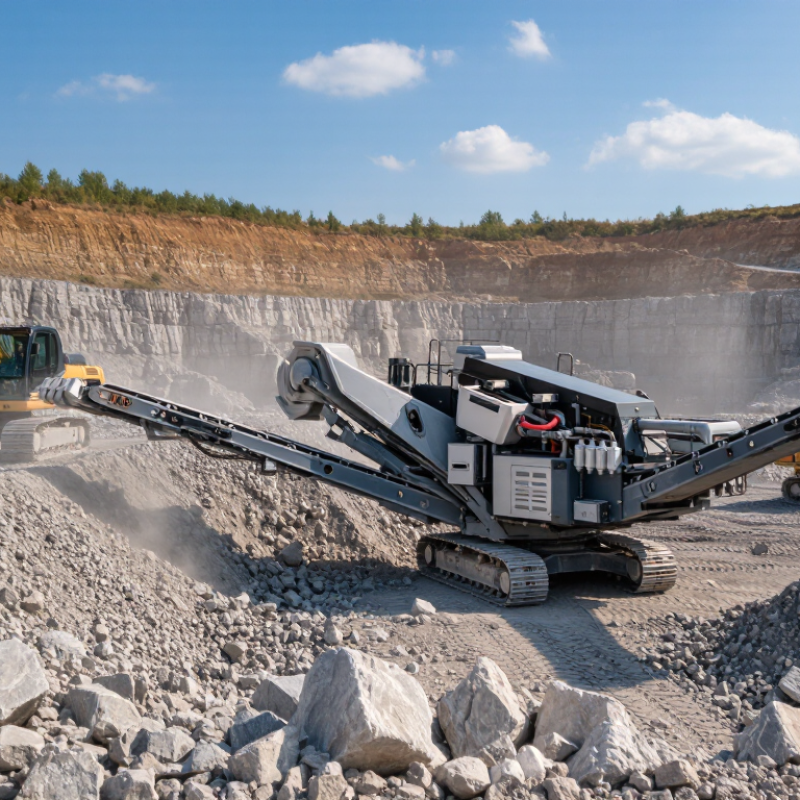
Choosing the right Mobile Jaw Crusher begins with understanding your actual worksite, not comparing impressive brochure numbers. A quarry processing hard granite needs different equipment from a demolition project handling reinforced concrete. Start with the material’s hardness, maximum feed size, required output, and expected daily hours. A crusher rated for 100 tonnes per hour may produce less when the feed is wet, oversized, or poorly controlled.

Look closely at practical details. Check the jaw opening against your largest rocks. Review the closed-side setting range, discharge size, engine system, and crawler mobility. A compact model may fit narrow urban sites, while a heavier unit could provide better stability in a remote quarry. Fuel consumption matters. So does access to replacement plates, belts, filters, and trained technicians. Small service delays can stop an entire crushing line.

Reliable selection also requires evidence beyond marketing claims. Ask manufacturers for test data, maintenance schedules, operating limits, and references from similar applications. Visit a working site if possible. Observe how the Mobile Jaw Crusher behaves under real dust, vibration, and changing feed conditions. Safety controls, guarding, noise management, and dust suppression deserve equal attention. They are not optional extras.

There is no universal winner. This guide cannot predict every site. Weather, operators, haul-road conditions, and material variation can change performance. A lower purchase price may become expensive through downtime and frequent wear. Conversely, the largest machine is not always the wisest choice. Careful calculations, honest site information, and advice from experienced crushing professionals will lead to a more dependable decision.
How to Choose a Mobile Jaw Crusher for Your Needs?

Define Your Crushing Goals and Material Requirements

How to Choose a Mobile Jaw Crusher for Your Needs?

Define your crushing goals before comparing equipment. A clear target prevents costly compromises later. Decide whether you need primary crushing, recycling, road construction, or quarry production. Estimate the required hourly output under normal working conditions. Do not use the highest possible capacity as your daily target. It can hide feeding problems and increase wear.

Study the material carefully. Measure its maximum feed size, hardness, abrasiveness, moisture, and shape. A hard, abrasive rock needs durable wear parts and controlled feeding. Wet clay may reduce flow and cause blockages around the jaw chamber. Mixed demolition material can contain steel, timber, or concrete with unpredictable dimensions. A practical site inspection is more reliable than a simple laboratory description. Small details matter.

Check the working location before choosing a mobile unit. Narrow access roads, uneven ground, dust limits, and frequent relocation can change your decision. Confirm that excavators and loaders can feed the crusher safely and consistently. Ask how quickly the machine can be adjusted when material changes. Operators also need clear controls, accessible inspection points, and realistic maintenance intervals. Fancy specifications are not enough. A crusher may look ideal on paper, yet perform poorly with irregular feeding. Revisit your assumptions after a trial run, because the first plan is rarely perfect.
Compare Mobile Jaw Crusher Types and Core Features

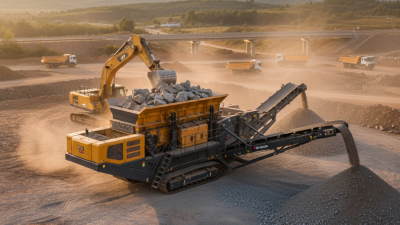
Choosing a mobile jaw crusher starts with comparing machine types, not chasing the biggest output figure. Tracked models suit quarry benches, demolition sites, and uneven ground because they move without extra transport equipment. Wheeled models are often faster to relocate between prepared sites. They may perform better where roads and firm working surfaces already exist. The choice depends on site access, feed material, and daily travel requirements.

Compare single-toggle and double-toggle jaw designs carefully. Single-toggle units usually offer a lighter frame and efficient operation for many primary crushing duties. Double-toggle units can handle harder, abrasive rock, but may require more structural weight and maintenance attention. Check the feed opening against your largest rock size. Then compare closed-side setting, capacity, motor power, liner life, and discharge height. A crusher that accepts large stones may still struggle with sticky material. That detail is easy to miss. Operator visibility, remote controls, dust suppression, magnetic separation, and emergency stops also influence real productivity. Actual output can fall when feeding is uneven or the material contains too much moisture.

Tips: Watch the machine during a full shift, not just a supplier demonstration. Record fuel use, travel time, wear patterns, and blocked-feed events. Ask for maintenance access around the jaw, conveyors, and hydraulic system. Leave room for imperfect conditions. A slightly smaller crusher may deliver steadier results when the site is narrow, wet, or frequently relocated.

Match Crusher Capacity, Mobility, and Site Conditions

How to Choose a Mobile Jaw Crusher for Your Needs?
Match Crusher Capacity, Mobility, and Site Conditions

Choosing a mobile jaw crusher starts with the site, not the machine brochure. On quarry and recycling projects, I first record hourly feed, material hardness, and maximum lump size. A crusher rated far above your target may waste fuel and sit underused. One matched too closely can create constant bottlenecks. Leave working margin.

Capacity depends on more than the headline tonnes-per-hour figure. Moist clay, wet fines, and uneven feeding can reduce actual output sharply. Ask for performance data using material similar to yours. Check the jaw opening, discharge setting, and power draw under load. A practical trial is stronger evidence than a sales estimate. I once underestimated sticky feed. I was wrong. That mistake changed the equipment plan.

Mobility matters when the crusher moves between stockpiles, benches, or demolition zones. Track units suit rough ground, while transport dimensions may limit road access. Measure turning space, slope, ground bearing, and setup clearance before purchase. Dust control, noise limits, and safe maintenance access also shape productivity. Do not ignore weather. Rain can turn a firm haul route into a recovery problem. Specify realistic site conditions, even when they make the equipment choice less convenient.

How to Choose a Mobile Jaw Crusher for Your Needs?

Match crusher capacity, mobility, and site conditions before selecting equipment.

The chart shows typical practical throughput ranges for mobile jaw crusher applications. Actual output depends on feed size, rock hardness, moisture, closed-side setting, loading method, and screening configuration. Choose compact tracked equipment for restricted or frequently changing sites, and select higher-capacity units for stable quarry operations with sufficient access and stockpile space.

Evaluate Power Use, Maintenance, Safety, and Operating Costs

How to Choose a Mobile Jaw Crusher for Your Needs?

Power use should match the material, feed size, and daily production target. A unit with excessive power may waste fuel during light-duty work. A weak unit may stall when hard rock enters the chamber. Compare rated power with actual throughput, not brochure figures alone. Ask for test data under similar moisture and stone conditions. Track fuel or electricity use for a full shift. Electric models can reduce local emissions, but site power quality and cable access matter. Diesel models offer flexibility, yet fuel storage and refueling add work. A safety margin is useful. Too much reserve, however, can increase purchase and operating costs.

Maintenance often decides whether a crusher earns money or waits beside the road. Inspect jaw plates, bearings, belts, hydraulic lines, and engine filters at set intervals. Grease points should be easy to reach without climbing over moving parts. A blocked radiator can cause overheating within hours. Keep critical wear parts available near the site. Downtime records reveal more than optimistic service schedules. I would also question maintenance plans that ignore dust, mud, and freezing weather. Those conditions change everything. Safety checks must cover guards, emergency stops, isolation procedures, and clear access around the feed hopper. Only trained operators should adjust settings or clear blockages. Calculate operating cost per processed tonne, including fuel, power, labor, wear parts, transport, and lost production. A cheaper machine may become expensive after repeated delays.

Select a Model Based on Total Value and Long-Term Needs

Choosing a mobile jaw crusher requires more than comparing purchase prices. Total value includes production, fuel use, maintenance access, transport, and resale potential. A machine processing 250 tonnes per hour may seem attractive, but only if your feed material, site layout, and work schedule support that output. Check the crusher’s operating range, discharge adjustment, and power demand against real project conditions. Sales figures often reflect ideal testing. Field results can differ.

Think beyond the first contract. A durable frame, accessible wear parts, and clear service procedures can reduce downtime over several years. Ask for documented performance data, maintenance intervals, noise information, and operator training requirements. Review local service availability and spare-part delivery times before making a decision. One delayed component can stop an entire crew. I have seen projects overvalue capacity and undervalue transport costs. That assumption deserves a second look.

Tips: Calculate cost per processed tonne, not only the purchase price. Test representative feed material when possible. Leave room for future capacity changes. Compare fuel consumption under normal loads, not empty running. Inspect access points around the jaw, conveyors, and engine compartment. Keep a record of downtime, liner changes, and actual output. If the numbers remain uncertain, use conservative estimates rather than optimistic promises. A slightly smaller crusher may deliver better long-term value when it matches the site, crew, and material consistently.