Why Choose a Jaw Crusher for Your Project?
Choosing the right crushing equipment can shape a project’s cost, schedule, and final material quality. A Jaw Crusher is often selected for primary crushing because it handles large, hard feed efficiently. Its simple design uses a fixed jaw and a moving jaw to apply compressive force. This process reduces blasted rock, concrete, or recycled material into manageable sizes.
In practical quarry and construction work, the decision should begin with the material, not the machine name. Granite, limestone, and demolition concrete behave differently inside the crushing chamber. Operators should check feed size, moisture, abrasiveness, required output, and available power. A wide feed opening can reduce preparation work, while adjustable discharge settings help control product size. These details matter when trucks, conveyors, and screening equipment must work together.
Reliability is another strong reason to consider a Jaw Crusher. Its accessible components can simplify inspections, liner changes, and routine maintenance. However, no machine is perfect. Excessive fines, unplanned oversize rocks, or poor feeding can reduce performance. I have seen efficient equipment struggle when operators ignore chamber loading or wear patterns. That experience supports a careful selection process rather than a quick purchase.
A suitable crusher should also support safe operation and predictable maintenance costs. Review manufacturer specifications, service support, guarding systems, and spare-part availability before committing. The best choice depends on the complete production circuit. It is not simply the largest machine. When capacity, material characteristics, and long-term operating conditions align, a Jaw Crusher can provide dependable primary crushing for demanding projects.
What a Jaw Crusher Is and How It Works
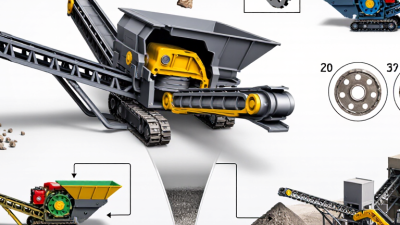
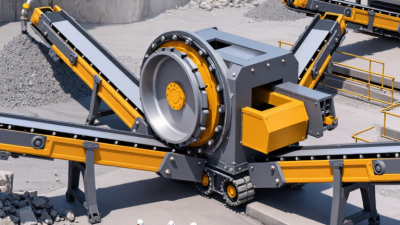
A jaw crusher reduces large, hard materials by squeezing them between two steel plates. One plate stays fixed; the other moves back and forth. The opening at the top accepts feed, while the narrower gap below controls the size of discharged pieces. It is a direct, mechanical process. Simple, but demanding.
As the moving jaw closes, rock breaks under compression. When it opens, gravity lets the fragments fall farther into the chamber. Repeated cycles carry material downward until pieces are small enough to exit. For example, a block of blasted stone may enter as a rough lump and leave as angular fragments. Actual output depends on feed size, rock hardness, jaw setting, and operating condition. Results vary. Wet, sticky material can cling inside and disrupt flow, so a jaw crusher is not ideal for every feed. I have seen settings treated as fixed when wear had already changed the effective gap; checking matters.
Tips: Keep feed reasonably even, and avoid oversized lumps that bridge the opening. Inspect jaw plates for uneven wear. A small adjustment can alter product size, but it may also affect throughput. Measure, then decide.
Why Choose a Jaw Crusher for Your Project? - What a Jaw Crusher Is and How It Works
| Aspect |
Typical Details |
Why It Matters for Your Project |
| What it is |
A primary crushing machine that uses two jaw plates: one is fixed and the other moves to compress material. |
Its straightforward compression action makes it suitable for breaking large, hard feed material into smaller pieces. |
| How it works |
An eccentric shaft drives the moving jaw. Material is crushed as the gap closes and moves downward through the chamber, then exits when it is small enough to pass the discharge opening. |
The repeated crushing cycle handles irregular rock without requiring the material to be cut or sheared. |
| Common applications |
Quarrying, mining, construction and demolition recycling, and aggregate production. |
Jaw crushers are often used at the start of a processing line to reduce run-of-mine rock or other large feed material. |
| Suitable feed materials |
Common examples include granite, basalt, limestone, and concrete. Performance depends on material strength, abrasiveness, moisture, and feed grading. |
Matching the crusher and wear parts to the material helps maintain output and manage operating costs. |
| Feed size |
Depends on the crusher’s feed opening and design. The maximum feed size should be checked against the equipment specification and kept within the manufacturer’s stated limit. |
A properly sized feed opening reduces the risk of bridging, blockages, and uneven operation. |
| Discharge setting |
The closed-side setting (CSS) is the minimum distance between the jaws during the crushing cycle. It is adjustable on many machines and influences the discharge size. |
A smaller setting generally produces a finer product, but can reduce throughput and increase wear or energy demand. |
| Reduction ratio |
A reduction ratio around 4:1 to 6:1 is common for many primary jaw-crushing applications; actual results depend on feed characteristics and settings. |
This helps estimate how much size reduction is practical in one crushing stage and whether additional stages are needed. |
| Product size and shape |
The product is typically angular and broadly graded. Its size distribution is affected by the CSS, feed size, material properties, and crusher condition. |
Screening or secondary crushing may be required when a more consistent or smaller product is needed. |
| Key advantages |
Robust construction, a relatively simple crushing principle, and the ability to accept large feed material in primary-crushing duties. |
These characteristics can make a jaw crusher a practical first-stage option for demanding material-handling operations. |
| Planning considerations |
Review required capacity, feed-opening size, CSS range, material abrasiveness, available power, foundation loads, maintenance access, and site conditions. |
Capacity and performance vary by machine and application, so selection should be based on project-specific feed data and operating requirements. |
Materials and Projects Suited to Jaw Crushing
Why Choose a Jaw Crusher for Your Project?
Materials and Projects Suited to Jaw Crushing
Jaw crushers suit projects that need to break large, hard materials into manageable pieces. They commonly handle blasted granite, limestone, and other rock at the primary crushing stage. Their wide feed openings can accept irregular chunks from a quarry face or demolition site. Recycled concrete may also be suitable, provided reinforcing steel is removed or managed with equipment designed for it. The output is usually coarse, so a secondary crusher may be needed for smaller, more uniform aggregate.
Tips: Check feed size, moisture, and clay content before choosing a machine. Wet, sticky material can clog the chamber. Keep tramp metal out, and inspect wear parts regularly. Small checks matter.
For roadwork, foundations, and quarry production, jaw crushing can reduce hauling and prepare material for later processing. It is not ideal for every feed. Highly abrasive rock can increase wear, while overly small feed may make another crusher type more practical. Review the required product size and expected daily volume with a qualified equipment specialist. A choice can look right on paper and still disappoint if the feed changes; that detail is easy to underestimate.
Key Advantages of Choosing a Jaw Crusher
Why Choose a Jaw Crusher for Your Project?
A jaw crusher offers a practical starting point for primary crushing. Its compression action breaks rock between a fixed jaw and a moving jaw. This design handles hard materials, including granite, limestone, and recycled concrete. It also uses fewer major wear components than many complex crushing systems. That can simplify inspections and spare-parts planning. It is mechanical. Fewer moving parts can mean fewer surprises.
The U.S. Geological Survey reported about 1.5 billion metric tons of crushed stone produced in the United States during 2023. That scale shows why dependable aggregate equipment matters. A jaw crusher can accept large feed sizes, reduce material consistently, and prepare it for secondary processing. Operators can adjust the closed-side setting to match product requirements. The International Energy Agency’s World Energy Outlook 2023 also highlights industry’s substantial energy demand. Efficient loading, correct settings, and regular lubrication therefore deserve attention.
Site conditions still control the result. A poorly positioned feeder can cause bridging, even with a strong crusher. Excessive fines may reduce capacity and increase wear. Dust still matters. Field inspections should check jaw plates, tension systems, discharge clearance, and foundation vibration. A practical lesson is easy to miss: the largest crusher is not always the best choice. Correct feed preparation and trained operators often influence output more than rated capacity. Manufacturers’ performance figures also require caution, because actual results depend on rock hardness, moisture, gradation, and maintenance quality.
Why Choose a Jaw Crusher for Your Project?
Jaw crushers use compression to reduce large, hard feed material in the primary crushing stage. Their typical reduction ratio offers a practical balance between robust feed handling, predictable sizing, and straightforward operation.
Typical industry ranges shown for general comparison only. Actual reduction ratios depend on material characteristics, feed gradation, crusher settings, and operating conditions.
Factors to Consider When Selecting a Jaw Crusher
Why Choose a Jaw Crusher for Your Project?
When selecting a jaw crusher, begin with the material, not the machine. Hard granite requires different planning than recycled concrete or limestone. Measure feed size carefully. A crusher designed for 700-millimeter rock may struggle with oversized pieces.
Moisture matters. Sticky material can block the chamber and reduce production. Check the expected capacity, discharge size, and daily operating hours. A small site may value compact transport and simple maintenance more than maximum output. Power availability also affects the decision, especially in remote locations. Inspect the crushing chamber, jaw plates, adjustment system, and access points. Wear parts should be easy to replace, with clear maintenance instructions. Safety guards and emergency stops must suit local requirements. These details often receive less attention than capacity, which can be a costly mistake.
Tips: Keep a sample of the actual feed material for testing. Record its size, hardness, moisture, and contamination. Ask an experienced operator to review the figures. Measure twice. A perfect choice rarely exists, and early estimates may be wrong. Leave practical room for uneven feed, weather delays, and maintenance time. A crusher that looks efficient on paper may disappoint when the material changes during the season. That detail matters.
How Jaw Crushers Compare With Other Crusher Types
Why choose a jaw crusher? The answer begins with feed size, not fashion. A jaw crusher uses a fixed plate and moving plate to compress blasted rock. It accepts hard, abrasive feed and produces a dependable primary product. The U.S. Geological Survey’s Mineral Commodity Summaries 2024 estimates U.S. crushed stone output at about 1.9 billion metric tons in 2023. At that scale, stable primary reduction influences screens, conveyors, and stockpiles. A jaw crusher usually offers simpler wear management than an impact crusher. It also handles larger run-of-mine pieces than many secondary machines.
Yet comparison matters. Cone crushers typically deliver finer, more uniform output after primary crushing. Impact crushers can improve particle shape for concrete aggregate. However, abrasive rock may increase their wear costs. Gyratory crushers suit very high-capacity mines, but installation and foundation demands are substantial. The UNEP Global Resources Outlook 2024 warns that global material extraction could rise by 60% by 2060. Efficiency will matter more, but site conditions still differ sharply. A jaw crusher may require more crushing stages for tight final gradation. It is not magic. Moist, sticky feed can block the chamber without effective scalping.
Tips: Measure feed size, moisture, abrasiveness, and target product first. Ask for a test-run curve, not a brochure promise. Allow space for liner changes and maintenance access. A pilot test may challenge your first choice. That is useful.