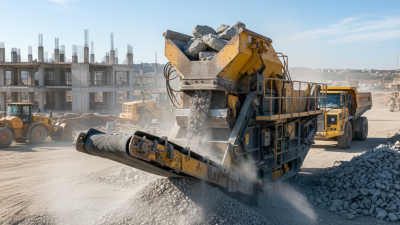
What is a Concrete Crusher and How Does it Work?
Concrete Crushers are essential in the construction and demolition industry. These machines reduce large concrete structures into manageable pieces. According to a report by IBISWorld, the concrete recycling market has grown significantly, with an annual increase of 3.5% over the last five years. This trend emphasizes the need for efficient Concrete Crushers.
The operation of a Concrete Crusher involves several methods, often depending on the type of material and the desired size of the output. Hydraulic and jaw crushers are commonly used for their reliability and effectiveness. However, not all projects utilize these tools effectively. In some cases, operators might overlook maintenance, leading to subpar performance.
Moreover, experts recommend proper training for operators. Inadequate knowledge can result in inefficiencies and safety hazards. Reports indicate that improper usage causes 15% of equipment failure. Emphasizing education and awareness can mitigate this risk. Understanding the nuances of a Concrete Crusher can lead to improved recycling rates and project outcomes.
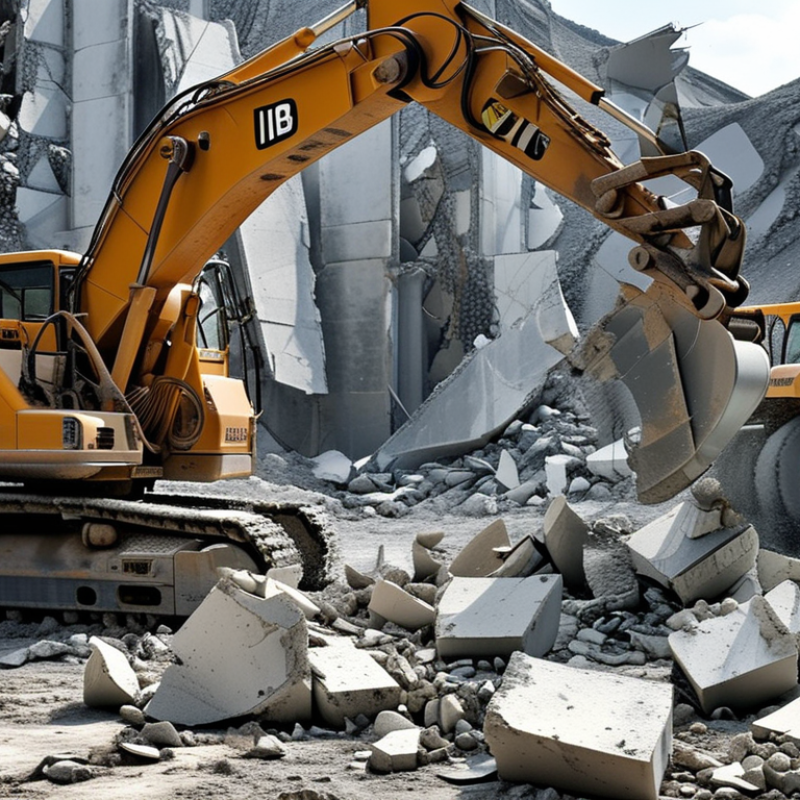
What is a Concrete Crusher?
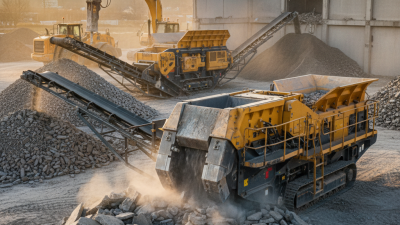
Concrete crushers are essential machines used in demolition and construction projects. They serve the purpose of breaking down large concrete structures into manageable pieces. This process is not only economical but also environmentally friendly, as it allows for the recycling of materials. The global concrete recycling market is projected to reach 15 billion USD by 2027, highlighting the increasing demand for these machines.
Concrete crushers employ various methods to achieve their purpose. Hydraulic pressure, impact forces, and vibrating screens are commonly used technologies. These tools help recycle concrete into gravel, aggregate, or crushed stone, which can be reused in new construction. According to industry reports, a standard concrete crusher can reduce materials by up to 80%, showcasing their efficiency.
When selecting a concrete crusher, it's crucial to consider the project size. Smaller projects might benefit from compact crushers, while larger-scale operations may require more powerful models. Additionally, ensure that the machine's output size meets your needs. Operational efficiency is key. You may find that poorly maintained equipment can result in unexpected downtime. Regular maintenance can help avoid this issue and ensure the machinery operates at peak performance.
Different Types of Concrete Crushers Available
Concrete crushers play a crucial role in the construction industry. They come in various types, each designed for specific tasks. Jaw crushers are popular for their simplicity and efficiency in breaking down large concrete chunks. These machines utilize two jaws to create a crushing motion that reduces material size effectively.
Another type includes impact crushers, which use high-speed impact to crush materials. They are ideal for softer concrete and can yield finer aggregates. Cone crushers, on the other hand, are excellent for creating uniform materials. Their design allows for adjustable settings to produce desired sizes.
When selecting a concrete crusher, consider the project's specific needs. The size of the concrete pieces and the desired end product should guide your choice. Factors like portability and power source are essential as well. Choosing the right crusher not only boosts efficiency but also ensures safety on site. Always review operational manuals for guidance, as each machine has unique requirements and limitations to be mindful of.
The Mechanism of a Concrete Crusher
Concrete crushers are essential in the recycling and demolition industries. Their primary function is to break down large concrete structures into smaller pieces. This process facilitates easier transport and reuse of materials. The mechanism behind a concrete crusher is quite interesting. It employs various methods, such as hydraulic or mechanical forces, to achieve this goal.
In many cases, a concrete crusher incorporates powerful jaws that oscillate. These jaws grip the concrete, applying immense pressure. As the jaws close, the concrete material is crushed into manageable sizes. Additionally, some crushers utilize rotary mechanisms that grind the material down. The design can vary, but the core idea remains consistent: effectively break apart dense concrete.
However, not all concrete crushers function perfectly. Maintenance issues can arise, impacting efficiency. Sometimes, blockages occur, forcing operators to halt operations for cleaning. This reflects the need for regular inspections and operator training. Awareness of these imperfections leads to improvements in technology and processes. Understanding the mechanism helps to fine-tune the performance of these powerful machines.
Applications of Concrete Crushers in Construction
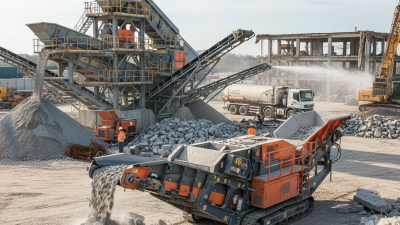
Concrete crushers play a vital role in construction sites. These machines are designed to break down large chunks of concrete into manageable sizes. They help recycle materials and reduce waste. Using a concrete crusher saves time and effort. It makes the demolition process more efficient.
In construction, concrete crushers are used in various applications. They are ideal for tearing down old structures and preparing sites for new builds. With their ability to crush concrete into aggregate, these machines facilitate quick reuse of materials. This process supports sustainable practices. However, not all projects may benefit from concrete crushers. Sometimes, the cost of operation can outweigh the benefits.
It’s essential to assess the specific needs of each construction project. Working with an experienced team can make a difference. They can determine if a concrete crusher is the right choice. Each site has unique challenges and requirements. This reflects the need for careful planning and evaluation.
Maintenance and Safety Tips for Using a Concrete Crusher
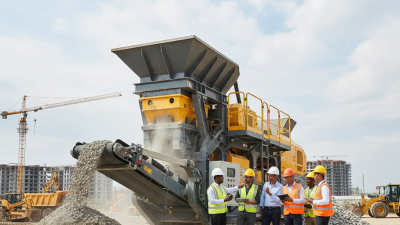
Maintaining safety while working with a concrete crusher is vital. These machines can generate significant noise and dust. Wearing appropriate personal protective equipment (PPE) is essential. Workers should use safety goggles, ear protection, and dust masks. These measures reduce the risk of injuries.
Regular maintenance checks are crucial for reliability. Inspect the machine for wear and tear frequently. Clean out debris to prevent overheating. Keep hydrating fluids at optimal levels to ensure smooth operation. Always refer to the equipment manual for specific maintenance guidelines. If something feels off, it's worth pausing to reassess the situation.
It's important to communicate effectively with your team. Establish clear signals for when to start and stop operations. This avoids accidents. Training sessions can boost safety awareness as well. Encourage crew members to speak up if they notice anything unusual. This collective responsibility fosters a safer environment.
What is a Concrete Crusher and How Does it Work? - Maintenance and Safety Tips for Using a Concrete Crusher
| Dimension |
Description |
Maintenance Tips |
Safety Tips |
| Crushing Capacity |
The amount of concrete the crusher can process per hour. |
Regularly check and replace wear parts. |
Always wear PPE (personal protective equipment). |
| Type of Crusher |
Different types include jaw crushers and impact crushers. |
Keep the machine clean and free of debris. |
Ensure proper guarding is in place. |
| Weight |
The overall weight of the concrete crusher. |
Inspect hydraulic hoses and connections for leaks. |
Keep bystanders at a safe distance during operation. |
| Feed Size |
Maximum size of the concrete pieces that can be fed. |
Lubricate moving parts regularly. |
Avoid wearing loose clothing near moving parts. |
| Output Size |
Size of the crushed material produced. |
Check and clean filters periodically. |
Use appropriate signage to warn of hazards. |