What is a Rock Jaw Crusher and How Does It Work?
The Rock Jaw Crusher is a vital piece of equipment in the mining and construction industries. It serves as the first stage in crushing materials like granite and limestone. According to a report by the Mining Equipment Association, the global jaw crusher market is projected to reach USD 1.7 billion by 2025. This highlights the increasing reliance on Rock Jaw Crushers in various applications.
Engineered to endure heavy loads, Rock Jaw Crushers efficiently reduce material size. They utilize compressive force to break down rocks through a fixed and a moving jaw. In addition, the efficiency of these machines can significantly impact productivity and costs. A poorly maintained Rock Jaw Crusher can lead to inefficiencies and higher operational costs. Regular maintenance is crucial for optimal performance.
Understanding the operational principles of a Rock Jaw Crusher can enhance decision-making for purchasing and operating this machinery. Many users overlook essential maintenance aspects, which can cause unexpected failures. Addressing these issues and promoting best practices can improve longevity and productivity, making Rock Jaw Crushers an indispensable asset in both small and large-scale operations.
What is a Rock Jaw Crusher: Definition and Purpose
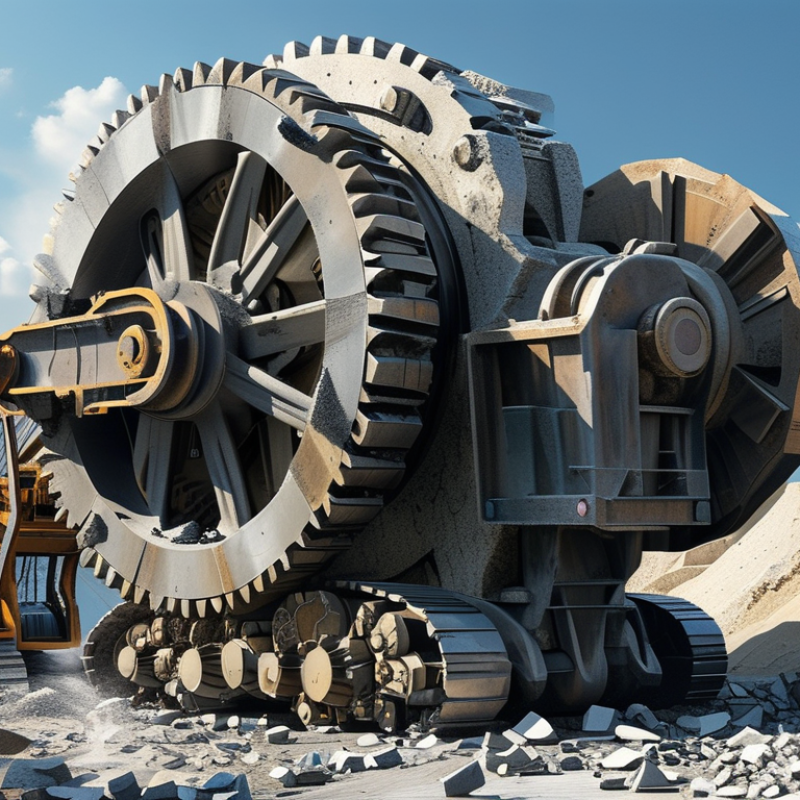
A rock jaw crusher is a vital machine used in the mining and construction industries. Its main purpose is to crush large rocks into smaller, more manageable pieces. These machines are often used in the early phases of material processing. Their design allows for efficient breaking of hard materials with minimal energy consumption.
The jaw crusher operates through a simple mechanism. Two jaws, one fixed and the other moving, create a powerful crushing action. As the moving jaw closes, it compresses the rocks against the stationary jaw. This crushing process generates significant force, breaking the rocks down into smaller fragments. The size reduction is often essential for further processing, such as screening or washing.
Despite their effectiveness, rock jaw crushers require careful monitoring and maintenance. Incorrect settings can lead to uneven crushing or excessive wear. Operators must regularly check the machine's alignment and power settings to ensure optimal performance. Understanding the rock material's characteristics also plays a role. Knowing the type of rock can help tailor the crushing process for better results, yet many still overlook this critical detail.
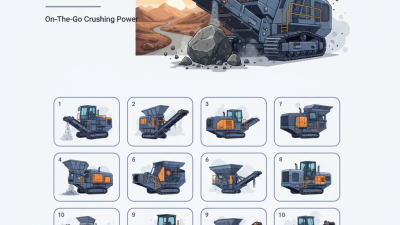
Types of Rock Jaw Crushers: An Overview of Different Models
Rock jaw crushers are essential equipment in the mining and construction industries. They come in various models, each designed to handle different materials and crushing requirements. The most common types include single toggle and double toggle rock jaw crushers. Single toggle models are simpler and often lighter. They are suitable for softer materials and small to medium-sized operations. In contrast, double toggle crushers can handle tougher materials. They provide a more robust design, often resulting in increased efficiency.
According to a recent industry report, the global market for jaw crushers is projected to grow by 5% annually. This growth is driven by rising demand from infrastructure projects. Some models can process up to 1,000 tons of material per hour, depending on the configuration. For example, the crushing chamber design and the adjustable settings play significant roles in performance. Users often face challenges in selecting the right type based on their specific needs. The wrong choice can lead to inefficiencies and higher maintenance costs.
In addition to these types, advanced technological features have emerged in modern crushers. Hydraulic systems and automation help optimize performance. However, operators must remain vigilant. Over-reliance on technology may cause missed opportunities for manual adjustments, which can improve outcomes. Understanding the nuances of each model is crucial so operators can adapt to varying conditions in real-time. This adaptability can be the key to achieving optimal productivity.
Overview of Different Models of Rock Jaw Crushers
How a Rock Jaw Crusher Operates: Mechanisms and Processes
A rock jaw crusher is a key piece of equipment in the mining and construction industries. Its function is to break down large rocks into smaller, more manageable pieces. The mechanism relies on a pair of jaw plates, one of which is stationary, while the other moves back and forth. This movement creates a compressive force that crushes the material.
To operate effectively, the crusher must be properly maintained. Regular inspections help prevent costly downtime. Industry reports indicate that well-maintained machines can achieve a production efficiency of 90% or more. In contrast, neglecting maintenance can reduce efficiency drastically, leading to higher operational costs.
The crushing process is influenced by various factors, including the type of material being processed. For instance, harder rocks require more energy to crush. Understanding these dynamics is crucial. Some operators overlook the importance of matching crusher capacity to the material's characteristics, resulting in inefficiencies. Each operation needs to be evaluated carefully for optimal performance.
Key Performance Metrics of Rock Jaw Crushers: Efficiency and Throughput
Rock jaw crushers play a crucial role in mining and construction. They are designed to break down large rocks into smaller, manageable sizes. Efficiency is a key performance metric for these machines. The ability to process material quickly impacts overall productivity. High efficiency means more crushed material in less time.
Throughput, another important metric, refers to the amount of material a jaw crusher can handle. Higher throughput indicates a more capable machine. Operators must pay attention to factors influencing throughput, such as feed size and crusher speed. Regular maintenance ensures optimal performance. Neglecting these aspects can lead to decreased efficiency and increased wear.
Tips: Ensure the feed material is within the recommended size to avoid blockages. Monitor the wear on the jaw plates. Too much wear can slow down the process. Balancing efficiency and maintenance is vital. Be aware of the machine's limits to prevent unnecessary strain. A well-maintained jaw crusher can dramatically increase throughput and overall efficiency.
Applications of Rock Jaw Crushers in Various Industries: A Data Summary
Rock jaw crushers play a crucial role in various industries by providing essential crushing capabilities. These machines are widely used in mining, construction, and recycling sectors. They are effective in breaking down large rocks into smaller, manageable pieces for further processing. Many operators choose jaw crushers for their efficiency and reliability. They can handle tough materials, breaking them down with precision.
In the mining industry, jaw crushers assist in extracting valuable minerals. They crush ore into smaller fragments, which makes it easier to extract minerals using other methods. In construction, these crushers prepare raw materials for concrete and asphalt production. The recycling sector relies on jaw crushers to process waste materials and repurpose them for new applications.
Though jaw crushers are efficient, they are not without limitations. Over time, wear and tear can impact their performance. Regular maintenance is essential for longevity but often overlooked. Operators must be mindful of the machine's operational limits to avoid breakdowns. This reflection helps enhance understanding of best practices and improves overall productivity.
What is a Rock Jaw Crusher and How Does It Work? - Applications of Rock Jaw Crushers in Various Industries: A Data Summary
| Industry |
Primary Use |
Material Processed |
Capacity (tons/hour) |
Power Requirement (kW) |
| Mining |
Ore Crushing |
Copper Ore |
500 |
150 |
| Construction |
Aggregate Production |
Granite |
350 |
110 |
| Recycling |
Material Recovery |
Concrete |
400 |
130 |
| Agriculture |
Soil Processing |
Clay |
300 |
90 |
| Metallurgy |
Metal Separation |
Iron Ore |
600 |
160 |