Top 10 Stone Crusher Machine Options for Global Buyers?
The search for the ideal Stone Crusher Machine can be challenging. As global buyers navigate various options, understanding their features becomes crucial. Each machine offers unique functions, efficiencies, and capabilities. This guide presents the top ten choices available today.
When selecting a Stone Crusher Machine, consider factors such as durability and performance. Different models suit different needs, from small operations to large-scale industrial applications. Making a choice can create doubts and stress. Buyers should reflect on their specific operational requirements.
Investing in the right machine impacts productivity significantly. The market offers various machines, but not all deliver the same value. Some models struggle under heavy use, while others excel in efficiency. Evaluating each option can lead to a more informed decision. Ultimately, understanding these machines enhances the buying experience.
Top 10 Stone Crusher Machines: An Overview for Global Buyers
When considering stone crusher machines, buyers have numerous options tailored to different needs. Selecting the right type can significantly impact efficiency and productivity. With a wide range of sizes and capabilities, understanding the specific requirements of your operation is crucial. Different machines excel in various settings, from small-scale projects to large industrial applications.
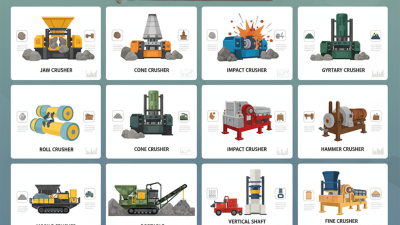
The versatility of stone crusher machines is noteworthy. For instance, jaw crushers are frequently employed for primary crushing tasks. These machines are sturdy and can handle large rocks. On the other hand, cone crushers are favored for secondary crushing. Their design allows for finer material processing, making them ideal for diverse materials.
In terms of operational efficiency, details such as horsepower and crushing capacity should not be overlooked. These parameters directly influence output. Additionally, ease of maintenance can affect long-term reliability. Some machines may require more frequent repairs, leading to potential downtimes. Evaluating all these factors helps in making an informed choice. Understanding the nuances of each machine's operation can lead to better productivity and overall satisfaction.
Key Features to Consider When Selecting Stone Crusher Machines
When selecting stone crusher machines, several key features significantly impact performance and durability. One essential aspect is the machine's capacity to handle various materials. According to industry reports, the right capacity ensures efficiency, minimizing operational downtime. Machines with adjustable output sizes can cater to different project requirements, enhancing versatility.
Another crucial factor is the ease of maintenance. Equipment that requires less frequent servicing can reduce operational costs. Regular maintenance can prolong the machine's life. A recent survey indicated that well-maintained machines can outlast poorly managed equipment by up to 30%. Therefore, investing in user-friendly designs can lead to significant long-term savings.
Energy consumption should also be a priority. Stone crushers that use advanced technology can lower energy costs. Data shows that models utilizing hybrid technology can decrease energy use by 20-30%. Still, it is vital to assess real-world performance. Some machines may promise high efficiency but may require adjustments or upgrades to achieve optimal results in diverse conditions. Balancing these factors can lead to better-informed purchasing decisions.
Market Analysis: Demand and Trends in the Stone Crusher Industry
The stone crusher industry is witnessing significant growth worldwide. This surge comes from increased infrastructure projects and a rise in construction activities. Infrastructure development demands durable materials. Consequently, the demand for stone crushers is rising.
Market trends indicate a shift towards more efficient machines. These machines offer better output and lower operational costs. Buyers are now focusing on energy-efficient models. They also prefer crushers with advanced technology. This focus helps reduce waste and enhance productivity.
Additionally, environmental concerns are shaping industry standards. Regulations on emissions are becoming strict. Many manufacturers are adapting to these guidelines. However, not every company is keeping pace. The challenge lies in balancing efficiency with sustainability. Continuous improvement is essential for future success in this market.
Comparative Study of the Leading Stone Crusher Brands Worldwide
When exploring the stone crusher market, many factors come into play. Buyers seek machines that offer durability, efficiency, and cost-effectiveness. Global manufacturers offer a variety of options. Each brand has unique features, but not all stand out in performance. Some machines excel in durability but may be less efficient. Others are highly efficient but may not withstand heavy use over time.
Reliability is critical for buyers. The best stone crushers deliver consistent output without frequent breakdowns. Maintenance requirements also vary significantly across brands. Some machines require frequent upkeep, while others offer extended operation with minimal maintenance. This can affect the overall cost of ownership.
Materials used in construction play a crucial role. High-grade steel components enhance durability but may increase initial costs. Certain brands focus on eco-friendly materials, appealing to environmentally conscious buyers. However, the trade-off can be performance and machine longevity. Understanding these nuances is essential for informed decision-making in this competitive landscape.
Top 10 Stone Crusher Machine Options for Global Buyers
This chart provides a comparative view of the top 10 stone crusher machine options based on performance metrics. Each option showcases its effectiveness and suitability for global buyers, aiding in the selection process for varied needs.
Environmental Impact and Sustainability in Stone Crushing Technologies
Stone crushing technologies have evolved significantly, but their environmental impact remains a critical issue. Many operations produce dust, noise, and vibrations that can affect local communities. These factors require constant monitoring and better practices to minimize harm. Companies are exploring more sustainable processing options and technologies, but challenges remain in balancing productivity with ecological responsibility.
Implementing dust suppression methods and noise-reduction equipment offers some benefits. However, these practices are not universally adopted. Recycling materials presents another solution, potentially lowering the demand for new stones. Yet, the efficiency of recycled materials is often questioned. Utilizing renewable energy sources for powering machines could reduce emissions but requires a higher upfront investment. This creates a barrier for smaller operators who may resist change.
The quest for sustainability in stone crushing is ongoing. Despite the advancements, many companies may not fully engage with environmentally friendly practices. Moreover, regulatory compliance can vary, leading to inconsistent efforts across different regions. Continuous education and awareness are essential for all stakeholders. Addressing these issues requires a commitment to innovation and collaboration within the industry.
Top 10 Stone Crusher Machine Options for Global Buyers
| Rank |
Machine Type |
Capacity (tons/hour) |
Power (kW) |
Weight (kg) |
Environmental Impact (Rating) |
Sustainability Features |
| 1 |
Jaw Crusher |
50-150 |
75-150 |
2000-3000 |
4/5 |
Energy-efficient motors, eco-friendly materials |
| 2 |
Cone Crusher |
60-400 |
75-300 |
3000-7000 |
4.5/5 |
Adaptive technology, reduced emissions |
| 3 |
Impact Crusher |
30-200 |
55-250 |
1500-4000 |
4/5 |
Recyclable parts, energy recovery systems |
| 4 |
Mobile Crusher |
50-300 |
100-250 |
2500-5000 |
4/5 |
Versatile use, lower transportation emissions |
| 5 |
Hammer Mill |
10-100 |
30-75 |
1000-2000 |
4.5/5 |
Low waste generation, energy-efficient |
| 6 |
Vertical Shaft Impact Crusher |
20-150 |
75-200 |
1500-3500 |
4/5 |
Material recycling options, low CO2 emissions |
| 7 |
Gyratory Crusher |
100-400 |
150-350 |
4000-8000 |
4.5/5 |
Energy-saving technology, dust reduction systems |
| 8 |
Stone Crusher |
20-200 |
30-100 |
800-3000 |
4/5 |
Sustainable mining practices, reduced noise pollution |
| 9 |
Crushing Plant |
80-600 |
100-400 |
5000-10000 |
4/5 |
Complete recycling systems, minimal land footprint |
| 10 |
Screening Equipment |
10-300 |
15-100 |
1000-2500 |
4.5/5 |
Water-efficient designs, optimized for recyclables |